
Notting Hill London: The Complete Guide for US Visitors (2026)
If you have ever watched the 1999 film with Hugh Grant and Julia Roberts, you already know the postcard version of Notting Hill London. The pastel houses. The bookshop. The chaotic charm. But the real neighbourhood beats the film version every time — and most US visitors never get past the obvious highlights.
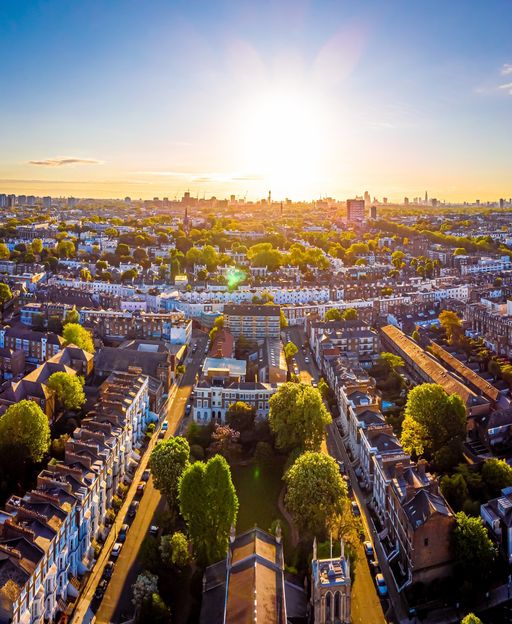
This guide covers everything you need to know about Notting Hill London before your visit. You will find out how to get there, what to see, where to eat, when to go, and which corners of the neighbourhood most visitors miss entirely.
What Is Notting Hill London?
Notting Hill sits in the Royal Borough of Kensington and Chelsea in west London. It lies about 2.5 miles west of Marble Arch, which makes it easy to reach from most central London hotels.
The neighbourhood has a layered history. In the 19th century it housed a mixed working-class community. During the 1950s and 1960s, Caribbean immigrants made it their home — and that community founded the Notting Hill Carnival. By the 1980s, prices had risen sharply. Today it ranks as one of the most expensive postcodes in Britain.
That history remains visible if you know where to look. The carnival. The market. The community. All of these sit alongside the multi-million pound townhouses. Notting Hill London is not just a film backdrop — it is a living neighbourhood with real depth and character.
The Famous Pastel Houses
The pastel-coloured houses of Notting Hill draw most visitors to their cameras. Portobello Road and the surrounding streets feature painted Victorian terraces in shades of cream, cornflower blue, powder pink, and mint green.
The most photographed streets include:
- Lansdowne Crescent — a curved terrace with a central garden
- Portobello Road — the main market street, with painted shops and houses lining the route
- Pembridge Road and Pembridge Mews — quiet lanes south of the main market strip
- Stanley Gardens — a tranquil garden square that typifies the area
Morning light suits the streets best, before the crowds arrive. Turn up before 9am on a Saturday to get the streets to yourself and the best photographs. By midday the area fills up considerably.
Portobello Road Market
Portobello Road Market runs most days but reaches its peak on Saturdays. It stretches from Notting Hill Gate station north through Ladbroke Grove, and each section has its own character.
How the market divides by section
The southern end, from Notting Hill Gate to Chepstow Villas, hosts antiques dealers. They stock vintage silver, old maps, prints, pottery, and Georgian furniture. Get there early — dealers sell their best pieces before 11am.
The middle section, around Elgin Crescent to Talbot Road, transitions to fresh produce, flowers, and food stalls. This part runs all week, not just Saturdays.
The northern end, near Ladbroke Grove, concentrates second-hand clothing, records, and international street food. This section gives you the cheapest and most colourful part of the market experience.
You do not need to buy anything to enjoy a morning at Portobello. The stalls, the dealers, the banter, and the crowds make it one of the great London street experiences. For more London market options, see our London Markets Guide: Borough Market, Portobello Road and the Best Street Markets.
The Notting Hill Carnival
The Notting Hill Carnival takes place every August Bank Holiday weekend. It draws around two million people across two days, making it the largest street carnival in Europe.
The carnival celebrates the Caribbean communities that have called Notting Hill home since the 1950s. Sound systems, steel bands, mas costumes, and street food fill the roads from Westbourne Grove to Ladbroke Grove.
Sunday typically runs as the family day. Monday brings the full parade. If you plan to attend, book your accommodation months ahead. Central London hotels sell out fast for that weekend.
The Notting Hill Film Locations
The 1999 film brought enormous tourist attention to the area. Most key locations still exist and you can cover them all on foot in under an hour.
The Travel Bookshop, which inspired William Thacker’s shop in the film, stood at 142 Portobello Road until it closed in 2011. The Notting Hill Bookshop now operates at 13 Blenheim Crescent and leans into the film connection. It makes a good stop in its own right.
The Blue Door at 280 Westbourne Park Road marks where Hugh Grant’s character lived. Residents have since repainted the door black to stop fans from knocking. People still photograph it daily.
Portobello Road itself appears throughout the film. Start at Notting Hill Gate station and walk north along the road — most film locations fall along this route.
Where to Eat and Drink in Notting Hill
Notting Hill London has a strong food scene across all price points.
Books for Cooks at 4 Blenheim Crescent blends bookshop and test kitchen. The kitchen serves a short set lunch based on whatever the cook tests that day from a new cookbook. Book ahead — the space fills quickly.
The Ledbury on Ledbury Road holds two Michelin stars and ranks among the best restaurants in London. Booking is essential. Dinner runs to £150 or more per head.
Ottolenghi keeps a branch on Kensington Church Street, just south of Notting Hill. A relaxed option for a late breakfast or lunch, it offers excellent pastries and salads.
The Windsor Castle pub on Campden Hill Road is a proper Victorian local with a wood-panelled interior. It serves good food and avoids the tourist crowd — a genuine rarity in this part of London.
For a casual Saturday lunch, the food stalls at the northern end of Portobello Road offer good value. Jerk chicken, Caribbean patties, and global street food all appear on Saturdays.
How to Get to Notting Hill London by Tube
Three Underground lines serve Notting Hill Gate station: the Central, District, and Circle lines. This means you can reach it quickly from almost anywhere in central London.
- From Oxford Circus — Central Line direct, about 8 minutes
- From Victoria — District or Circle Line, about 15 minutes
- From Paddington — Circle Line, about 5 minutes
- From King’s Cross — Victoria Line to Victoria then District or Circle, about 25 minutes
From Heathrow Airport, take the Piccadilly Line to Earls Court and change to the District Line. Allow 50 to 60 minutes total. For full transport options across London, see our Getting Around London guide for US visitors.
When to Visit Notting Hill
Saturday mornings give you the best experience. The full antiques market runs from early morning and the streets look most photogenic before the crowds thicken around midday.
August Bank Holiday brings the Carnival weekend. The experience is extraordinary but the crowds are enormous. If you are in London that weekend, plan ahead rather than wandering in by accident.
Weekday mornings suit visitors who want the neighbourhood without the Saturday crowds. Cafés and food shops open as normal. Portobello Road has a smaller set of stalls running. The streets stay much quieter.
Sundays fall quieter than Saturdays. Fewer market stalls open, but a morning walk on Portobello Road gives you the streets with far less competition for photographs.
Nearby Attractions Worth Combining
Notting Hill sits close to several other major London destinations. Combining them makes for a full day in west London.
Kensington lies immediately to the south. The Natural History Museum, the Victoria and Albert Museum, and Hyde Park all sit within a 20-minute walk. See our complete Kensington London guide for US visitors to find out what to prioritise.
Holland Park is 15 minutes west on foot. It has a Japanese-style garden, an open-air opera stage in summer, and one of the quietest green spaces in west London.
Kensington Palace is about 20 minutes on foot through Hyde Park. It served as Princess Diana’s London home and contains personal royal exhibitions that you will not find elsewhere in the city.
Hyde Park links the two areas. A walk across from Notting Hill to Kensington makes a pleasant way to connect the neighbourhoods, especially in spring and summer.
Practical Tips for US Visitors to Notting Hill
Bring cash for the market. Some antiques dealers accept cards, but many smaller stalls run on cash only. Withdraw before you arrive at the market.
Wear comfortable shoes. Cobbled sections of Portobello Road get crowded. Trainers work far better than sandals or heels.
Arrive early on Saturdays. The best market stalls carry the best stock before 10am. By noon the crowds on Portobello Road become significant.
The area is expensive. Coffee, lunch, and shopping all reflect Notting Hill’s premium status. A coffee costs around £5. Lunch for two at a decent restaurant runs £40 to £60. Plan your budget accordingly.
Skip the car. Parking is nearly impossible on Saturdays. The Tube is straightforward and drops you right at the heart of the neighbourhood.
Planning Your London Stay Near Notting Hill
Notting Hill ranks among the most desirable parts of London, but hotels in the immediate area are limited. Most visitors base themselves elsewhere and come for a morning or afternoon visit.
Hotels in Paddington, Bayswater, or Holland Park put you within 10 to 15 minutes of the market on foot. For the full picture on where to base yourself, see our guide to the best areas to stay in London for US visitors.
Notting Hill works well as a half-day combined with Kensington in the afternoon. Start at Portobello Road at 9am, work through the market, then walk south to the Victoria and Albert Museum or Kensington Palace after lunch.
Frequently Asked Questions About Notting Hill London
What is Notting Hill best known for?
Notting Hill London is best known for Portobello Road Market, its pastel-coloured Victorian houses, and the 1999 romantic comedy film starring Hugh Grant and Julia Roberts. The area also hosts the Notting Hill Carnival, which is Europe’s largest street carnival and attracts around two million visitors each year.
How do I get to Notting Hill from central London?
Take the Central, District, or Circle Line to Notting Hill Gate station. From Oxford Circus, the Central Line gets you there in about 8 minutes. From Victoria, the District or Circle Line takes about 15 minutes. The station sits right at the start of Portobello Road.
What day should I visit Notting Hill London?
Saturday morning is the best day to visit Notting Hill London. The full Portobello Road antiques market runs from early morning and the neighbourhood is at its most lively. Arrive before 10am to see the market at its best before the crowds build throughout the morning.
Is Notting Hill worth visiting for US travellers?
Yes. Notting Hill London offers a very different experience from central tourist London. Portobello Road Market, the independent bookshops, the Caribbean food stalls, and the painted Victorian streets all reward a morning visit. It combines well with Kensington’s museums and Hyde Park for a full day in west London.
When does the Notting Hill Carnival take place?
The Notting Hill Carnival takes place every August Bank Holiday weekend, which falls on the last weekend of August. Sunday runs as the family day and Monday brings the main parade. Around two million people attend across the two days, making it the largest carnival in Europe.
Join 3,000+ London Lovers
Every week, get London’s hidden gems, local secrets, and travel inspiration — the kind you won’t find in any guidebook.
Subscribe free — enter your email:
Love more? Join 64,000 Ireland lovers → · Join 43,000 Scotland lovers → · Join 30,000 Italy lovers →
Free forever · One email per week · Unsubscribe anytime