
Charles Dickens walked 20 miles a night through London’s streets. He roamed Holborn and Southwark at two in the morning, watching gas lamps flicker over slick cobblestones and listening to the sounds that spilled from taverns and tenements. He was not lost. He was working. The city fed his imagination, and he fed it back to the world through some of the most famous novels ever written. London shaped every page Dickens wrote — and much of that London still exists today.
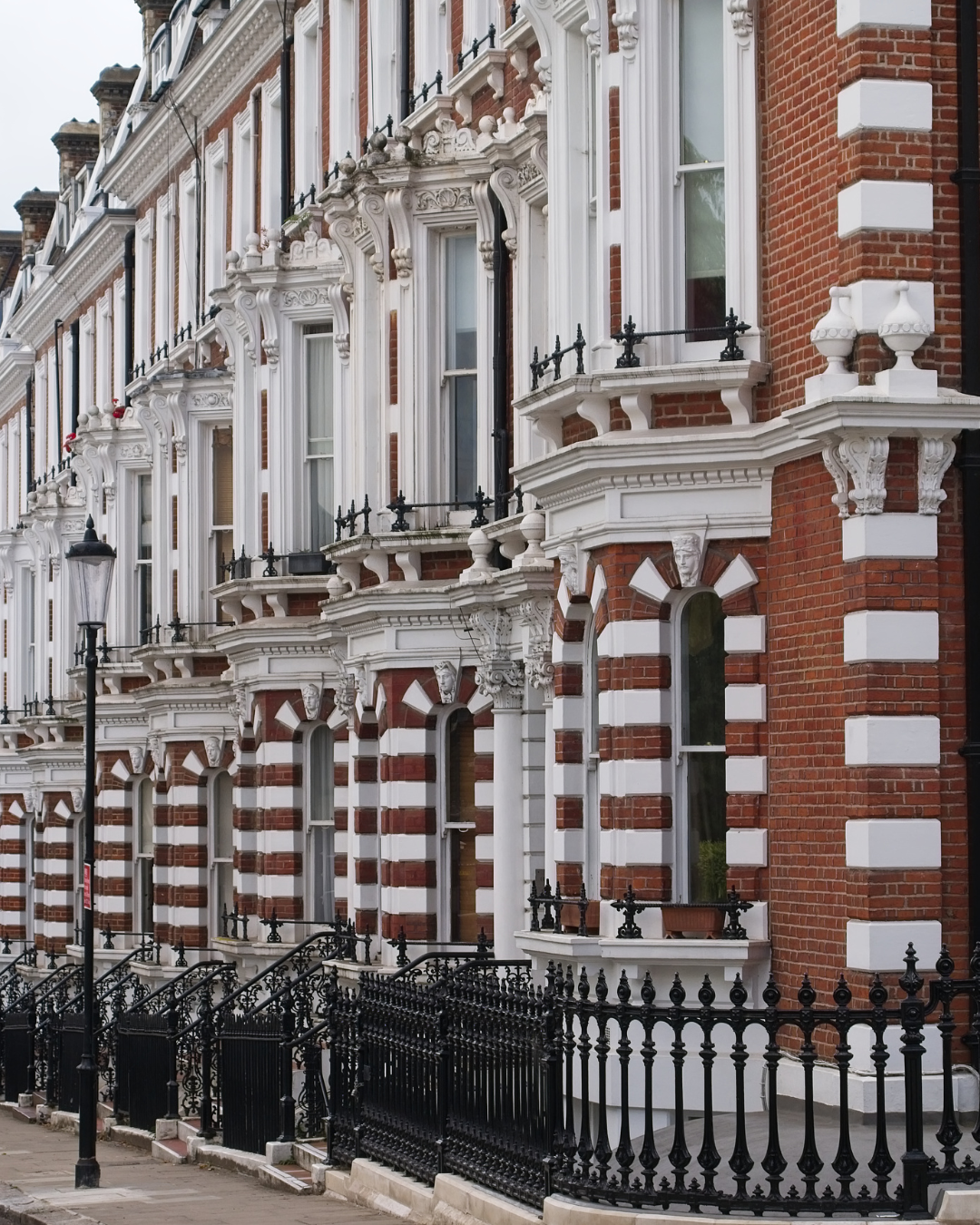
The London That Made Dickens
Charles Dickens was born in Portsmouth in 1812, but London claimed him young. His family moved to Camden Town when he was nine years old, and what followed scarred him deeply and made him a writer. His father, John Dickens, ran up debts he could not pay. The authorities sent him to Marshalsea debtors’ prison in Southwark in 1824. Charles was twelve years old. His family moved into the prison with his father, as was the custom then. Charles stayed in a boarding house in Camden and walked to the prison each evening to see them.
To earn money, he worked at Warren’s Blacking Factory near Charing Cross, pasting labels onto pots of boot polish for six shillings a week. He worked ten-hour days alongside boys from the London slums. He hated every moment. He never spoke of it publicly in his lifetime. But he wrote about it obsessively — in David Copperfield, in Great Expectations, in Oliver Twist. The memory of those months drove him harder than anything else in his life.
By the time Dickens died in 1870, he had become the most famous writer in the English-speaking world. He had also created the most vivid map of London that any novelist has ever drawn. Streets, courts, prisons, markets, taverns — he named them and made them live. Many of those places survive today. You can walk the same pavements.
🏙️ Enjoying this? 3,000 London lovers get stories like this every week. Subscribe free →
Oliver Twist’s London: Saffron Hill and the Rookeries
Dickens published Oliver Twist in 1837, and he set the criminal underworld of the novel in a specific part of London that he knew well from his midnight walks. Saffron Hill, in the borough of Holborn, was the heart of the district he called the Rookeries — a dense tangle of courts and alleys where thousands of London’s poorest residents lived packed into rotting houses. Fagin’s den, where the thieves and pickpockets gathered, was based on lodging houses in this neighbourhood.
Field Lane ran off Saffron Hill and served as a street market for stolen goods, particularly handkerchiefs — which is why the Artful Dodger and Charley Bates specialised in picking pockets of them. Dickens walked through Field Lane often. He described the sight of stolen handkerchiefs hanging from poles outside the stalls, brightly coloured and clearly recognisable as stolen, while the sellers called out to passers-by.
The Rookeries themselves were cleared in the 1840s and 1850s by new roads and housing reforms, but Saffron Hill still exists as a street in Clerkenwell. Walk it today and you walk the path Dickens traced as he planned his most famous villain. The area looks nothing like it did in 1837, but the name on the street sign connects you directly to Oliver Twist.
Marshalsea Prison and Little Dorrit
Dickens returned to the Marshalsea again and again in his imagination. He visited his father there every evening as a boy, crossing London Bridge from the north bank. He watched how the prison worked, how the debtors lived inside its walls, how families gathered to share meals through the gate. Thirty years later, he transformed that experience into Little Dorrit, published between 1855 and 1857.
Amy Dorrit, the novel’s heroine, is born inside the Marshalsea and grows up within its walls. Her father has spent decades in the prison, unable to pay his debts, reduced to a peculiar kind of dignity that the long-term inmates developed as a way of surviving their confinement. Dickens understood this from watching his own father. The novel carries more of his personal history than almost anything else he wrote.
The Marshalsea stood on Borough High Street in Southwark. The authorities demolished most of it in 1849. What remains today is a long brick wall running behind a pub garden off Borough High Street — you can find it if you walk into Angel Place, a narrow passage south of Borough Market. The wall still stands to its full height. A stone tablet marks it as the remains of Dickens’ Marshalsea. Borough High Street itself feels nothing like it did in Dickens’ time, but that wall in the narrow passage behind it belongs entirely to the nineteenth century.
Legal London: Holborn, Chancery Lane, and Bleak House
Dickens trained as a law clerk in his teens, working in offices around Holborn and Grey’s Inn. He quickly came to despise the legal system — its slowness, its cruelty, its talent for grinding ordinary people down while lawyers collected fees. He channelled that contempt into Bleak House, his 1852 novel about a legal case called Jarndyce and Jarndyce that crawls through the Court of Chancery for so many years that it eventually consumes the entire estate it was meant to settle.
The fog that opens Bleak House is one of the most famous passages in English literature, and Dickens anchored it precisely in Holborn. “Fog everywhere,” he wrote. “Fog up the river, where it flows among green aits and meadows; fog down the river, where it rolls defiled among the tiers of shipping; fog on the Essex Marshes, fog on the Kentish heights.” He placed Chancery at the centre of this fog, the legal institution that swallowed everything around it.
Lincoln’s Inn, one of London’s four Inns of Court, appears directly in the novel. Dickens walked through it constantly during his years as a law clerk and used it as the model for the legal world surrounding the Chancery case. You can walk through Lincoln’s Inn today for free during weekday hours. The chapel and the old hall date to the sixteenth and seventeenth centuries. Dickens’ solicitor characters would have conducted their business here.
The Thames in Dickens’ Novels
The River Thames runs through Dickens’ novels the way it runs through London — permanently and unavoidably. He used it differently at different stages of his career. In his early novels, the Thames represents the romance of travel and escape. In his later work, it turns dark and violent.
Our Mutual Friend, his last completed novel, opens on the Thames at night with a young woman and her father rowing slowly through the darkness, fishing. They are searching the water for bodies — specifically for the bodies of drowned men, from whose pockets they can take money before reporting the discovery to the authorities. The Thames here is a place of poverty, crime, and death. Dickens was writing about the actual trade of body-fishing that watermen practised on the Victorian Thames. It was real, and it was common.
Limehouse, in the East End, appears in several Dickens novels and stories as the boundary where London gave way to something stranger and more dangerous. He walked through Limehouse at night during his insomniac rambles and wrote about the opium dens he found there in The Mystery of Edwin Drood. The East End docks that gave Limehouse its character are long gone, replaced by Canary Wharf, but the riverside walk from Limehouse to Greenwich still passes the same bend in the river that Dickens described in Great Expectations, where Pip and his companions row Magwitch downriver towards the ships waiting in the estuary.
Walking in Dickens’ Footsteps Today
The best starting point for any Dickens walk in London is 48 Doughty Street in Bloomsbury, which is now the Charles Dickens Museum. Dickens lived here from 1837 to 1839 and wrote Oliver Twist and Nicholas Nickleby in these rooms. The house survives exactly as it was when Dickens occupied it. You can see his writing desk, his library, and the dining room where he entertained friends including the novelist William Makepeace Thackeray. The museum opens Tuesday to Sunday.
From Doughty Street, walk south through Grey’s Inn and into Holborn, then down to the City of London. Ye Olde Cheshire Cheese on Fleet Street is a pub that Dickens drank in regularly and mentioned in his writing. The interior dates largely to the seventeenth century — low ceilings, wooden panels, small rooms stacked on multiple floors. It feels exactly like a pub from a Dickens novel because, in a sense, it is one.
Continue south to Southwark and find the Marshalsea wall behind Borough High Street. Then walk east along the Thames path to Bermondsey and Rotherhithe, following the river that Dickens described in novel after novel. The path passes warehouse buildings that date to the Victorian era, and the view across the Thames towards Wapping looks much as it would have when Dickens walked it.
For a guided version of this walk, the City of London Corporation publishes free walking tour maps of literary London. Several tour companies also run specialist Dickens walks, particularly in the Southwark and City areas. The walks typically last two to three hours and include background on both the novels and the historical context that shaped them.
Frequently Asked Questions
Where can I visit the Charles Dickens Museum in London?
The Charles Dickens Museum sits at 48 Doughty Street in Bloomsbury, central London. Dickens lived here from 1837 to 1839 and wrote Oliver Twist and Nicholas Nickleby in this house. The museum opens Tuesday through Sunday from 10am to 5pm. Admission costs £12.50 for adults, with discounts for children and concessions. It is the only surviving London home of Dickens and contains the world’s largest collection of Dickens artefacts.
What remains of the Marshalsea Prison from Little Dorrit?
The original Marshalsea building was demolished in 1849, but part of the outer wall survives in Angel Place, off Borough High Street in Southwark. A stone tablet on the wall identifies it as the remains of the Marshalsea debtors’ prison where Dickens’ father was held in 1824. The George Inn on Borough High Street, a few minutes’ walk away, is a seventeenth-century coaching inn that Dickens also visited and mentioned in his novels.
Are there any free Dickens walking tours in London?
The City of London Corporation publishes free downloadable walking tour maps covering literary London, including sites connected to Dickens. These are available from the Visit London website and from the City of London Information Centre near St Paul’s Cathedral. Several audio walking tours are also available free through apps such as Spotify and the Dickens Museum website. Paid guided walks typically run two to three hours and cost between £12 and £25 per person.
Plan Your Dickens London Walk
The London that Dickens wrote about has changed in some ways beyond recognition and in others not at all. The rookeries are gone. The Marshalsea is mostly rubble and overgrown ground. But the Thames still bends at the same places. Lincoln’s Inn still stands exactly where it stood when Chancery lawyers argued their cases inside it. Fleet Street still runs down towards the river. Ye Olde Cheshire Cheese still pulls pints in the same low-ceilinged rooms where Dickens drank.
Walking the city with his novels in mind turns London from a modern capital into something layered and strange — a place where two Londons exist simultaneously, the one you can see and the one that Dickens described. That doubling is what makes a Dickens walk different from any other kind of sightseeing. You are not just looking at old buildings. You are reading the city as he read it.
Join 3,000+ London Lovers
Every week, get London’s hidden history, heritage walks, and stories from the city’s remarkable past — straight to your inbox.
Subscribe free — enter your email:
Already subscribed? Download your free London guide (PDF)
Love more? Join 64,000 Ireland lovers → · Join 43,000 Scotland lovers → · Join 30,000 Italy lovers →
Free forever · One email per week · Unsubscribe anytime