
Getting around London is easier than it looks. The city has one of the world’s most comprehensive public transport networks, and once you understand how it works, getting around London becomes second nature. This guide covers every option — from the Tube to buses, taxis to walking — so you arrive knowing exactly what to do.
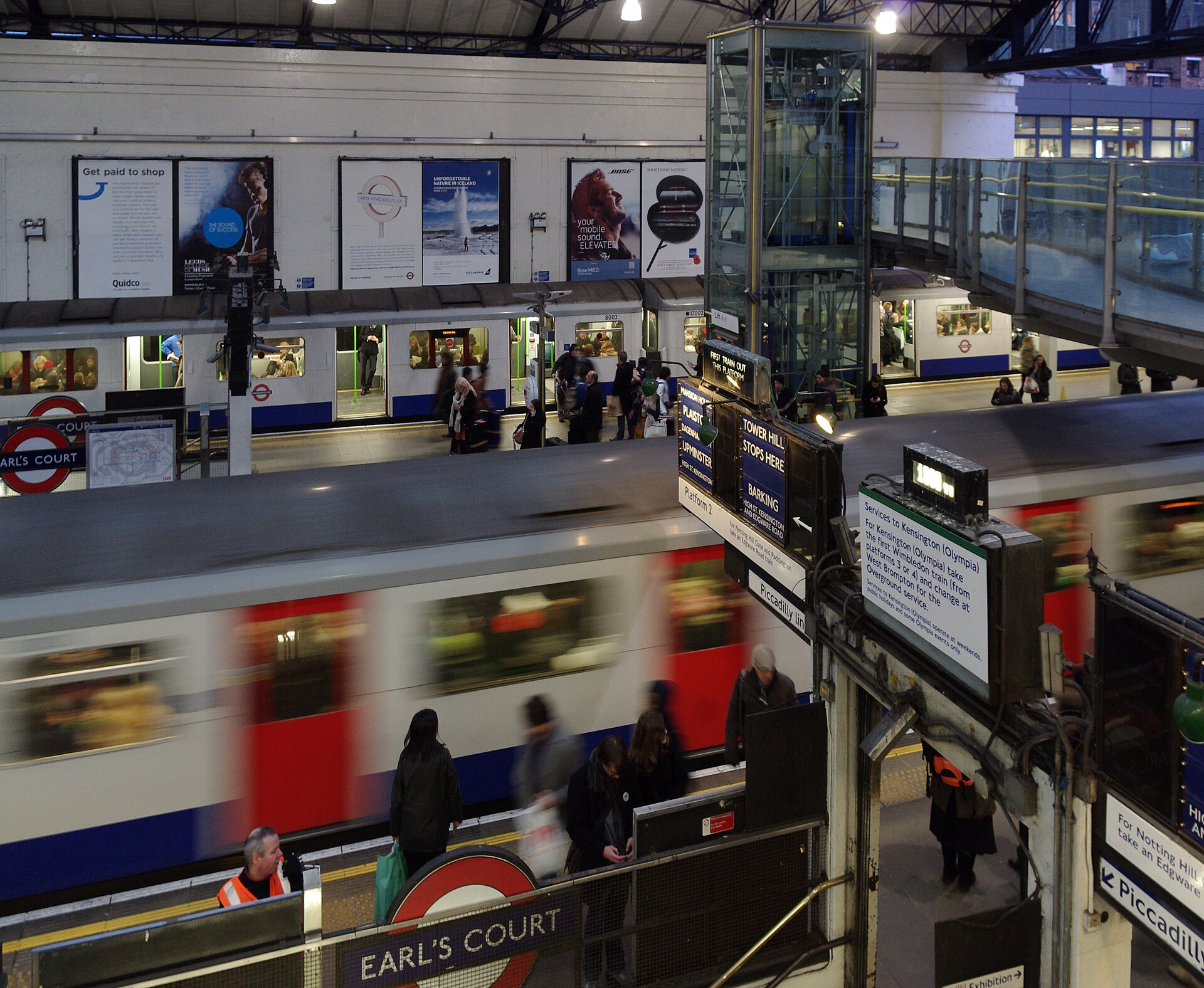
The London Underground: Your Main Way Around the City
The Underground — known as the Tube — is the fastest way to get around central London. It runs across 11 colour-coded lines and connects nearly every major attraction in the city.
Don’t let the network map intimidate you. You only need to know a handful of lines to cover most visitor areas.
How the Zone System Works
London’s Tube is divided into nine fare zones, numbered 1 through 9. Zone 1 covers central London — the area most visitors spend the majority of their time in. The further out you travel, the higher the fare.
Most tourist destinations sit in Zones 1 and 2. Heathrow Airport is in Zone 6, which is why the journey into the city costs more than a typical Tube ride.
Oyster Card vs Contactless Payment
You have two good options for paying on the Tube: an Oyster card or a contactless bank card.
An Oyster card is a reusable smart card you tap in and tap out at the yellow card readers. Buy one at any Tube station. Add credit before you travel, and the system deducts the correct fare automatically. There is a daily price cap — once you reach a certain spend, all further journeys that day are free.
Contactless works exactly the same way as Oyster. If your US bank card or phone supports contactless payments (including Apple Pay and Google Pay), you can tap straight in. The same daily cap applies. Many US visitors find this the simplest approach — no extra card to manage.
Important: Never buy a paper single ticket at the gate. They cost significantly more than Oyster or contactless fares for the exact same journey. This is one of the most common and avoidable mistakes visitors make.
Tube Lines Worth Knowing
You don’t need to memorise the entire network. These lines cover the most popular London destinations:
- Central line (red) — runs east to west through the heart of the city, passing Notting Hill Gate, Oxford Circus, Bank, and Liverpool Street.
- Jubilee line (silver) — connects Westminster, Waterloo, London Bridge, Canary Wharf, and Greenwich.
- Northern line (black) — runs through Camden Town, King’s Cross, Bank, and London Bridge.
- Piccadilly line (dark blue) — runs direct from Heathrow Airport into central London, passing Knightsbridge and Covent Garden.
- District line (green) — covers Chelsea, Victoria, Westminster, and Kew Gardens.
A free Tube map is available at any station ticket office. The Heathrow to London guide covers the Piccadilly line journey from the airport in more detail.
When Not to Use the Tube
Rush hours run roughly 08:00–09:30 and 17:00–19:00. Carriages become extremely crowded. Avoid travelling with large luggage during these periods — take a taxi instead.
Some central London journeys are faster on foot. Bank to Covent Garden looks close on the Tube map but involves multiple escalators and a change of line. Walking takes about 20 minutes and is often quicker than the underground route.
London Buses: Slower, But Often the Better Choice
London’s iconic red double-decker buses cover far more of the city than the Tube. They are cheaper, and the view from the upper deck is one of the best free experiences in London.
Buses work well for getting between areas the Tube doesn’t directly connect — travelling along the South Bank or through Soho, for example.
How to Pay on London Buses
London buses do not accept cash. Pay using an Oyster card or contactless bank card. Tap your card on the yellow reader when you board. You don’t need to tap out — one flat fare covers any distance on that bus.
Oyster and contactless cards also benefit from a daily bus cap. Once you’ve made a set number of journeys, further bus trips that day cost nothing.
Best Bus Routes for Sightseeing
Bus number 11 travels past some of London’s most famous landmarks. It passes through Chelsea, Sloane Square, Victoria, Westminster, Trafalgar Square, and St Paul’s. It’s an excellent sightseeing route for the price of a single bus fare.
For the South Bank, buses running along the northern bank of the Thames give excellent river views. The RV1 route connects Tower Gateway to Covent Garden via London Bridge and the South Bank.
🇬🇧 25 Hidden Gems of London Most Tourists Never Find
From secret riverside walks to hidden Victorian tunnels, centuries-old pubs to rooftop gardens with skyline views — our free guide reveals the London most visitors never discover. Join 3,000+ London lovers who get it free.
Get Your Free London Hidden Gems Guide →Black Cabs and Rideshares
London’s black cabs are among the most recognisable taxis in the world. The drivers must pass a test called The Knowledge, memorising thousands of streets across the city. They are reliable, safe, and always know where they’re going.
Hail a black cab on any street when its orange “For Hire” light is on. All licensed black cabs accept contactless card payment.
Uber and Bolt
Uber operates throughout London. The app works exactly as it does in the US. Bolt is another popular option and is often cheaper for shorter journeys.
Both services surge in price on weekend evenings and after major events. Budget for this if you plan a night out.
Walking: The Most Underrated Way Around London
London’s central areas are surprisingly compact. Many visitors take the Tube for journeys that take only 10 minutes on foot. Walking lets you see the city as Londoners actually experience it.
Westminster to the South Bank is a short walk across Westminster Bridge. Covent Garden to Soho takes about five minutes. The Strand to St Paul’s is a pleasant 20-minute walk along Fleet Street. These routes pass courtyards, markets, and Victorian alleyways that you miss entirely underground.
Download an offline copy of Google Maps before you arrive. Walking directions in London are reliable, and offline maps save your data allowance.
Your neighbourhood choice affects how much you can do on foot. The guide to the best areas to stay in London covers which neighbourhoods put the most within walking distance.
Santander Cycles: London’s Hire Bikes
London’s cycle hire scheme — run by Santander and often called “Boris Bikes” — gives you access to docking stations across central London. Pick up a bike from one station and return it to any other.
Use the Santander Cycles app or the docking station terminal to access a bike. A short-term access fee covers unlimited 30-minute trips throughout the day. They work well for flat routes: the Regent’s Canal towpath, Hyde Park, and the Victoria Embankment all have good cycling paths.
Central London traffic can be intense. If you’re not comfortable cycling in busy traffic, stick to the parks and canal paths where separate cycling routes are clearly marked.
Trains for Day Trips Out of London
London’s mainline train stations connect to the rest of England. To visit Oxford, Bath, Cambridge, Brighton, or Canterbury, you’ll use one of these stations.
Buy tickets in advance on the National Rail website for the best fares. Walk-up tickets on the day cost considerably more. The day trips from London guide covers the best destinations and realistic journey times.
The main London stations — Victoria, Waterloo, Paddington, King’s Cross, Liverpool Street, and Euston — all connect to the Tube network.
Practical Tips for Getting Around London as a US Visitor
A few things catch American visitors off guard when they first use London transport. Here is what to know before you go:
- Stand on the right on escalators. The left side is for people walking up or down. Standing on the left during rush hour is genuinely inconsiderate — and Londoners will let you know.
- Tap in and tap out on the Tube. Forgetting to tap out when leaving results in a maximum fare charge for that journey.
- Check TfL status before you travel. The Transport for London website and app show live service updates and any disruptions.
- Don’t talk loudly on the Tube. Quiet carriages exist on some trains. In general, Londoners prefer silence underground.
- Use the TfL app for journey planning. It shows live departures, disruptions, and walking alternatives. It is free and works well.
For a full breakdown of transport costs and overall trip budgeting, see the London travel budget guide.
Frequently Asked Questions About Getting Around London
What is the best way to get around London as a tourist?
The Underground (Tube) is the fastest option for most journeys across the city. For a scenic street-level experience, the red double-decker buses are slower but far more enjoyable. Many central London attractions also sit within comfortable walking distance of each other — closer than most visitors expect.
Is the London Underground easy to use for first-time visitors?
Yes. The colour-coded map is clear and the stations are well-signposted throughout. Download the TfL app before you arrive for live journey planning and disruption alerts. Most first-time visitors feel confident using it within a day or two of arrival.
How do I pay on the London Underground?
Use an Oyster card (available at any Tube station) or tap in and out with a contactless bank card, Apple Pay, or Google Pay. Avoid buying paper single tickets — they cost significantly more than Oyster or contactless fares for the same journey.
How much does it cost to get around London?
A single Tube journey in Zone 1 costs around £2.80 with Oyster or contactless. A bus journey is a flat £1.75. The Oyster daily cap means most visitors spend no more than £8–10 on transport during a typical day of sightseeing in central London.
Join 3,000+ London Lovers
Every weekday morning, get London’s hidden gems, local secrets, and travel inspiration — the kind you won’t find in any guidebook.
Subscribe free — enter your email:
Love more? Join 64,000 Ireland lovers → · Join 43,000 Scotland lovers → · Join 30,000 Italy lovers →
Free forever · Unsubscribe anytime
Subscribe Free