
Most visitors see London between ten in the morning and five in the afternoon. They queue for the Tower of London, walk across Tower Bridge, take a photo of Big Ben, and head to the pub before dinner. Then they go to bed.
They miss everything.
London after dark is a different city. The streets empty. The light changes. The same landmarks you fought through crowds to photograph become something else entirely — something quieter, stranger, and far more beautiful.
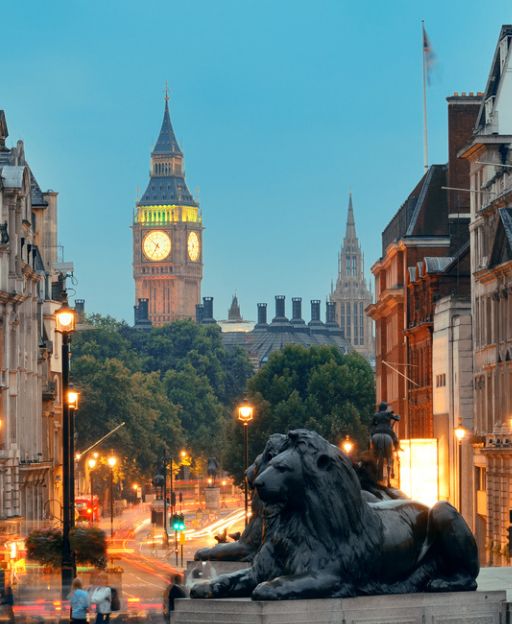
Here is what London looks like when the day-trippers finally go home.
When the Last Coach Leaves
There is a specific moment in London, usually around six in the evening, when the tourist groups dissolve. The large coaches pull away from Westminster. The guided tours wrap up. The queues for the Eye thin to nothing.
And then something happens to the city.
The pavements around Parliament feel almost private. The bridges over the Thames — Waterloo, Hungerford, Westminster — become places to linger rather than rush across. The stone takes on a warmth in the evening light that it simply does not have at noon.
If you have ever wondered why Londoners always seem faintly amused by visitors rushing between sights all day, this is why. They know the city reveals itself slowly, and mostly after dark.
The South Bank After Sunset
The South Bank is London’s most dramatic evening walk. From Blackfriars Bridge to Tower Bridge, the path along the river transforms completely as night falls.
The Tate Modern becomes a glowing cube beside the water. The Millennium Bridge — once memorably wobbly, now solid — fills with people walking slowly, looking upriver towards St Paul’s Cathedral as the dome catches the last of the light. Borough Market winds down, but the smell of roasting coffee and smoked meats hangs in the air around the railway arches for hours after closing.
Southwark Cathedral, just steps from the market, is free to enter in the evenings. Sit inside for ten minutes. It is 900 years old and almost always empty by half past six.
If you are planning a walk along the South Bank, save it for the evening. You will have the river to yourself.
The City of London Goes Silent
During the day, the Square Mile — the old financial district inside the Roman walls — is a crush of suits and briefcases. By seven in the evening, it is almost completely deserted.
This is one of the strangest and most wonderful things about London. One of the world’s most expensive pieces of real estate essentially closes at the end of the working day.
Walk through it after dark. The Christopher Wren churches — St Bride’s, St Mary-le-Bow, St Stephen Walbrook — are lit from outside against black sky. The alleys between Cheapside and Cannon Street wind through unchanged medieval street plans. You can walk for twenty minutes without seeing another person.
Leadenhall Market, with its ornate Victorian iron roof, is deserted by eight. The painted ceiling glows orange under the lamps. It is one of the most beautiful indoor spaces in London, and at night you might have it entirely to yourself.
Enjoying this? 3,000+ London lovers get stories like this every week. Subscribe free →
The Pub in the Evening
A London pub at six in the evening is a different animal from a London pub at lunchtime. The after-work crowd arrives. The noise level rises. The bar fills three deep with people who have been waiting for this moment since about two in the afternoon.
This is London at its most social. Strangers talk. Arguments about nothing in particular break out and resolve within minutes. Someone orders a round for people they have never met before.
If you want to understand London — really understand it — spend an evening in a proper pub rather than a tourist bar near a landmark. There are unwritten rules to the London pub, and learning them is part of the experience.
The best time to arrive is around six. By nine, the energy shifts again. By eleven, you are family with half the room.
Where the Light Falls Best
London has viewpoints that are average during the day and extraordinary at night.
Waterloo Bridge is the one Londoners most often cite. Looking east, you see the City skyline — St Paul’s, the Shard, the Gherkin — reflected in the river. Looking west, Big Ben and the Houses of Parliament glow gold against the dark. There is nothing between you and both of those views.
Primrose Hill, in the north, gives you the whole of central London laid out flat. On a clear evening, the lights stretch from Canary Wharf in the east to the BT Tower blinking in the west. Bring something to drink. Stay as long as you like.
Hungerford Bridge — the pedestrian walkway beside Charing Cross — sits directly above the river. At night, the South Bank lights reflect in the water below while the Embankment glows on the north side. It feels suspended between two different versions of the city.
Night Food in London
London does not shut down when darkness falls. If anything, the food options get more interesting.
Brick Lane comes fully alive after nine. The curry houses have been open since midday, but the late-night crowd is different — louder, friendlier, more willing to share a table. Soho’s restaurants trade until midnight. Chinatown, just off Leicester Square, is at its best after eleven when the kitchen staff from other restaurants come in to eat.
For something different, find a pie and mash shop that stays open late. They are increasingly rare, but when you find one — a tiled room, plain wooden benches, pie and liquor on plain plates — you are eating something that has fed working London for two hundred years.
Before you go, read our London planning guide to make the most of every hour, day and night.
What time does London come alive at night?
The city shifts noticeably from around 6pm as the working day ends. Pubs fill up, the South Bank becomes less crowded, and the City of London empties out completely. For the best evening atmosphere, aim to be out between 7pm and 10pm.
Where should I go in London in the evening?
The South Bank walk from Tate Modern to Tower Bridge is the classic evening route. The City of London after dark offers empty streets and lit-up Wren churches. Waterloo Bridge and Primrose Hill both give spectacular night views of the skyline.
Is London safe to explore after dark?
Central London is very safe to walk at night. The main tourist areas — South Bank, Westminster, Covent Garden, Soho — all have good footfall through the evening. Stick to well-lit streets and you will be perfectly fine.
What are the best free things to do in London at night?
Walking Waterloo Bridge, the South Bank, and the empty City of London streets costs nothing. Southwark Cathedral is free to enter in the evenings. Primrose Hill is open until dusk. These are some of the best experiences London offers, and they cost nothing at all.
There is a particular feeling you get the first time you stand on a London bridge after midnight. The city is lit up on both sides of the river. The water carries the reflections of things built centuries ago. A bus crosses behind you. Someone cycles past.
No queue. No commentary. Just London, being London.
🇬🇧 25 Hidden Gems of London Most Tourists Never Find
From secret riverside walks to hidden Victorian tunnels, centuries-old pubs to rooftop gardens with skyline views — our free guide reveals the London most visitors never discover. Join 3,000+ London lovers who get it free.
Get Your Free London Hidden Gems Guide →📲 Know someone who’d love this? Share on WhatsApp →
Love more? Join 65,000 Ireland lovers → · Join 43,000 Scotland lovers → · Join 29,000+ Italy lovers →
Free forever · Unsubscribe anytime
Subscribe Free