
Most visitors to Chelsea come for the boutiques on the King’s Road or the blue plaques on the townhouses. Almost none of them know that just a short walk away, hidden behind a high brick wall, there is a garden that has been growing here since 1673.
It does not announce itself. The entrance is a plain gate on a quiet residential street. You either know it is there, or you walk straight past.
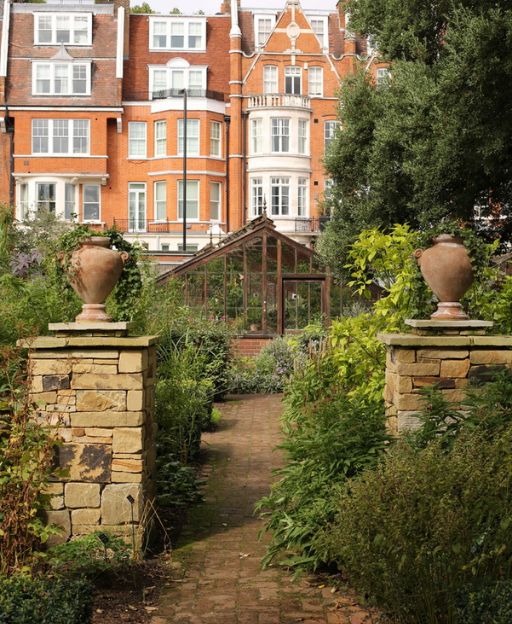
The Garden That Apothecaries Built
The Chelsea Physic Garden was founded in 1673 by the Worshipful Society of Apothecaries. Their mission was direct: grow plants, study them, and train their apprentices to identify the medicines that came from the natural world.
London’s apothecaries were the pharmacists and herbalists of their age. They needed to know which plants healed, which killed, and how to tell the difference. A garden seemed the obvious answer.
They chose a site on the north bank of the Thames — before the Victorian embankment was built, the river would have lapped at the garden’s edge. That riverside position gave them a microclimate slightly warmer than the rest of the city, and the warmth has shaped everything that grows here ever since.
The garden’s survival owes much to Sir Hans Sloane, the physician and collector who also founded the British Museum. Sloane owned the land and in 1722 granted it to the Apothecaries at a peppercorn rent for scientific use in perpetuity. His name is everywhere in Chelsea today — Sloane Square, Sloane Street — but his most lasting legacy may be this garden.
In return for the lease, the Apothecaries agreed to supply 50 dried plant specimens a year to the Royal Society. Over the following decades, they delivered more than 3,000.
The Seeds That Changed American History
In 1732, the head gardener at the Chelsea Physic Garden was a man called Philip Miller. He had been running the garden for decades and had turned it into one of the most respected botanical institutions in the world. His book, The Gardeners Dictionary, was considered the definitive reference on botany for much of the 18th century.
That year, Miller sent a consignment of cotton seeds to James Oglethorpe, the founder of the new colony of Georgia in America. Those seeds grew into the first commercially successful cotton crop in the American colonies.
Within a century, Georgia cotton had become the backbone of the American South’s economy. The implications of that shipment — its role in shaping slavery, the plantation system, the Civil War, and the industrial age — stretched far beyond anything Miller could have imagined from his walled garden in Chelsea.
It is one of the most consequential moments in botanical history. Almost nobody knows it happened here.
What You Will Find Inside Today
The Chelsea Physic Garden covers just 3.5 acres, but it contains more than 5,000 different plant species.
There is the oldest surviving rock garden in England, built in 1773 using stones brought back from Iceland. There is a working pharmaceutical garden showing where modern medicines come from — aspirin, quinine, digitalis — all of them traced back to specific plants in specific beds.
The systematic order beds arrange plants by their botanical families, making it as much a working classification system as a garden. The fernery, the glasshouses, and the rare tree collection each add their own depth to what is, at its heart, a place of extraordinary substance.
One particular oddity: the garden claims to hold the oldest olive tree in Britain. It should not be alive at this latitude. It persists.
In spring, the beds overflow with blossom. In early summer, the walled enclosure traps warmth and the planting becomes almost overwhelming. Even on a grey autumn morning, there is always something worth studying.
Enjoying this? 3,000+ London lovers get stories like this every week. Subscribe free →
A Location That Stays Hidden
The Chelsea Physic Garden sits on Swan Walk, a quiet residential street running between Cheyne Walk and the Thames Embankment. The Royal Hospital Chelsea — home of the Chelsea Pensioners — is a few minutes’ walk away.
There is no sign on the street. No billboard, no board on the pavement outside. The entrance is easy to miss, and that has protected the garden from mass tourism for centuries.
For most of its history, the garden was not open to the public at all. It was a working institution — a place for study and research, not leisure. Regular public access only began in the 1980s.
Even now, on busy Chelsea weekends when the King’s Road is crowded and the pavements outside the Saatchi Gallery are full, the garden remains relatively quiet. The people here mostly came specifically. They know what it is.
Planning Your Visit
Sloane Square Tube station (District and Circle lines) puts you within a ten-minute walk of the garden entrance on Swan Walk. The route takes you through some of Chelsea’s quietest streets.
The garden is open from February to October, with varying hours by season. An entry fee applies. Check their website before visiting for current opening times.
For a longer afternoon in south-west London, pair it with a walk east along the Embankment to the golden Buddhist peace pagoda in Battersea Park — another hidden landmark that most visitors never find.
If historic gardens are your interest, the vine and walled gardens at Hampton Court Palace make a natural companion trip for a different day. And if you’re still putting your London itinerary together, our 3-day London guide for first-time visitors covers the best combination of areas and sights.
Frequently Asked Questions
Is Chelsea Physic Garden open to the public?
Yes, it is open to the public from February to October each year. An entry fee applies. Opening hours vary by season, so check their website before visiting to confirm current times.
How do I get to Chelsea Physic Garden from central London?
Take the Underground to Sloane Square station on the District or Circle line, then walk south through Chelsea for about ten minutes. The entrance is on Swan Walk, just off Cheyne Walk near the Thames Embankment.
What makes Chelsea Physic Garden different from Kew Gardens?
Chelsea Physic Garden is smaller, older, and far less visited than Kew. Founded in 1673 and in continuous use for more than 350 years, it focuses on the medicinal and historical relationship between plants and people. The atmosphere is intimate and often quiet — very different from Kew on a busy day.
Behind that brick wall on Swan Walk, the apothecaries’ garden keeps growing. The plants that trained surgeons, inspired medicines, and sent cotton seeds to a new world are still here. Most of Chelsea walks past without knowing.
🇬🇧 25 Hidden Gems of London Most Tourists Never Find
From secret riverside walks to hidden Victorian tunnels, centuries-old pubs to rooftop gardens with skyline views — our free guide reveals the London most visitors never discover. Join 3,000+ London lovers who get it free.
Get Your Free London Hidden Gems Guide →📲 Know someone who’d love this? Share on WhatsApp →
Love more? Join 65,000 Ireland lovers → · Join 43,000 Scotland lovers → · Join 29,000+ Italy lovers →
Free forever · Unsubscribe anytime
