
Planning a trip to London from the US is one of the most rewarding decisions you can make as a traveller. London is, by almost any measure, the world’s greatest city: a place where centuries of history sit alongside cutting-edge culture, world-class restaurants, and some of the most famous landmarks on earth. Whether you’re making the transatlantic journey for the first time or returning for another visit, this guide covers everything you need to know — from booking flights and navigating entry requirements to planning your itinerary and managing your budget.
You Might Also Love
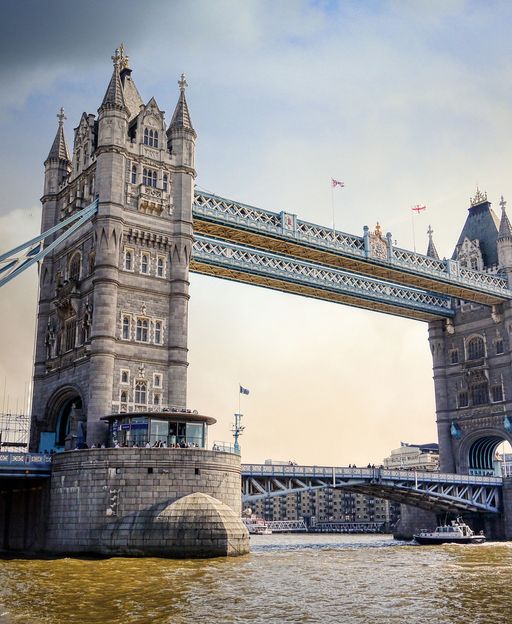
Why London Belongs on Every American’s Bucket List
More than 3.5 million Americans visit London every year, and it’s easy to understand why. The city speaks your language (mostly), welcomes visitors with genuine warmth, and offers an extraordinary range of experiences in a single destination. You can stand inside Westminster Abbey, explore the world’s best museums for free, eat your way through Borough Market, catch a West End show, and watch the Changing of the Guard — all in a single day. London rewards both the planner and the wanderer equally.
It’s also one of the most walkable major capitals. Neighbourhoods like Soho, Covent Garden, South Bank, and Shoreditch are all best explored on foot, and the city’s famous Underground network — the Tube — fills in the gaps efficiently. The West End alone contains enough to keep a visitor entertained for days.
When to Go: Planning a Trip to London from the US Around the Seasons
London is a year-round destination, but the season you choose will shape your experience significantly.
Peak Season: June to August
🇬🇧 Join 3,000+ London Lovers
Get hidden gems, local stories, and insider London every week. Free forever.
Summer is London at its most alive. Parks fill with picnickers, outdoor festivals run all season, and the long daylight hours mean you can pack more into each day. The trade-off is that popular attractions are busier, hotels cost more, and you’ll need to book ahead for everything. Temperatures hover between 18°C and 25°C (64°F–77°F) — warm but rarely oppressive.
Shoulder Season: April–May and September–October
For most US visitors, the shoulder seasons offer the best balance. The weather is mild, the crowds are thinner, and hotel rates drop considerably from the summer peak. April and May bring cherry blossoms and daffodils across the parks; September and October offer crisp air, autumn colours in Hyde Park, and a full cultural calendar. This is arguably the ideal window for first-time visitors.
Winter: November to March
Don’t dismiss a winter visit to London. The city’s Christmas lights are genuinely spectacular — Oxford Street, Carnaby Street, and Covent Garden all put on remarkable displays — and the post-Christmas sales attract American shoppers. January and February are the quietest months, when hotel bargains are easiest to find and popular museums are a genuine pleasure to visit without the queues. Pack layers and a waterproof jacket.
Flights from the US to London
Best US Departure Cities
Direct flights to London operate from most major US hubs. New York (JFK, Newark) and Boston typically offer the most competitive fares and the greatest number of daily departures. Los Angeles, Chicago, Miami, Washington DC, and Atlanta all have strong direct routes. From the East Coast, flight time is approximately seven hours; from the West Coast, expect ten to eleven hours.
Heathrow vs Gatwick: Which Airport?
Most transatlantic flights arrive at London Heathrow (LHR), the world’s busiest international airport. Heathrow is well-connected to central London via the Elizabeth line (Crossrail), the Piccadilly Tube line, Heathrow Express trains, and the National Express coach network. The Elizabeth line is the fastest and most comfortable option for most visitors, getting you to central London in under 30 minutes.
Gatwick (LGW) handles some transatlantic routes and is popular with budget airlines. The Gatwick Express runs to Victoria station in about 30 minutes. If you’re flying into Gatwick, check where your hotel is located before committing to the fastest transfer option.
Entry Requirements for American Travellers
US citizens do not need a visa to visit the UK for tourism, but as of January 2025 you are required to obtain a UK Electronic Travel Authorisation (ETA) before you travel. This is a quick online process that costs £10 and is valid for two years or multiple trips. Apply via the official UK government website well in advance of your travel date — most applications are approved within a few days, but allow extra time around busy periods.
You’ll need a valid US passport for the entire duration of your stay. The UK does not enforce the common “six months validity” rule, but your passport must be valid throughout your visit.
How to Budget for Your London Trip
London has a reputation for being expensive, and it’s not entirely undeserved — but it’s also a city where free world-class experiences abound. Here’s a realistic breakdown for US visitors.
Budget Travellers (£80–£120 per day)
Stay in a quality hostel or budget hotel, eat at pubs and markets, and take full advantage of London’s free museums. The British Museum, Natural History Museum, Science Museum, Tate Modern, National Gallery, and Victoria & Albert Museum are all completely free — this alone makes London exceptional value compared to many US cities where museums charge significant entry fees.
Mid-Range (£150–£250 per day)
A three or four-star hotel in a central location, dinner at a quality restaurant two or three evenings, a West End show, and a paid attraction or two puts you comfortably in the mid-range. London’s restaurant scene has genuinely improved in value in recent years — you can eat remarkably well without paying hotel dining prices.
Currency: USD to GBP
The UK uses British pounds (£/GBP), not euros. Use a no-foreign-transaction-fee credit card or a Wise card to avoid paying unnecessary conversion fees. Contactless payment — both card and mobile pay — is accepted almost universally in London, so you’ll rarely need cash. Having a small amount of GBP is useful for markets and some traditional pubs.
Where to Stay in London
The neighbourhood you choose will define a significant part of your London experience. Each area has its own distinct character.
Westminster and South Bank
Westminster is the postcard version of London — Big Ben, the Houses of Parliament, Westminster Abbey, Buckingham Palace, and St James’s Park. It’s ideal for first-time visitors who want the iconic sights within walking distance. The South Bank, across the Thames, is the cultural heartland: the Tate Modern, the National Theatre, Borough Market, and sweeping river views from the Millennium Bridge.
Shoreditch and East London
For a hipper, more contemporary London experience, Shoreditch delivers. Street art, independent boutiques, rooftop bars, and some of London’s most creative restaurants have made this corner of East London a firm favourite with visitors who’ve outgrown the tourist trail. It’s also home to excellent arts venues in nearby Bermondsey and a genuine local energy that feels worlds away from the tourist circuit.
Notting Hill and Kensington
Notting Hill’s pastel-coloured townhouses, independent cafés, and the famous Portobello Road Market make it one of London’s most visually satisfying neighbourhoods. Adjacent Kensington offers elegant hotels, the Natural History Museum, the Victoria & Albert Museum, and Hyde Park. Chelsea — including the beautiful Chelsea Physic Garden — is within easy walking distance.
Getting Around London
The London Underground
The Tube is fast, reliable, and extensive — it covers most of the key tourist areas and runs from approximately 05:00 to midnight on weekdays, with a Night Tube service on some lines on weekends. There are 11 colour-coded lines, mapped on the famous London Tube diagram. Download the TfL Go app before you travel for real-time updates and route planning.
Oyster Card vs Contactless Payment
You do not need an Oyster card. US visitors with contactless credit or debit cards — including Apple Pay and Google Pay — can tap in and out on all Tube, bus, and Overground services. The system automatically caps your daily spend so you never pay more than the daily travelcard equivalent. If your card charges foreign transaction fees, consider a Wise card or an Oyster card loaded at any Underground station.
A Five-Day London Itinerary for First-Time US Visitors
Five days is the sweet spot for a first visit — enough time to cover the essential landmarks, explore a couple of neighbourhoods properly, and take a day trip without feeling rushed. For a full list of what to prioritise, see our guide to the top 10 places to visit in London.
- Day 1 — Westminster and South Bank: Houses of Parliament, Westminster Abbey, walk across Millennium Bridge, Tate Modern (free), Borough Market, dinner on the South Bank.
- Day 2 — Royal London: Buckingham Palace, St James’s Park, the Mall, Trafalgar Square, National Gallery (free), Covent Garden in the evening.
- Day 3 — Kensington and Notting Hill: Natural History Museum (free), Hyde Park, Portobello Road Market, afternoon tea in Notting Hill.
- Day 4 — East London and The City: Tower of London (worth every penny), Tower Bridge walk, Shoreditch for dinner and evening drinks.
- Day 5 — Day Trip: Hampton Court Palace, Windsor Castle, Bath, or Oxford are all reachable in under two hours. See our full guide to the best day trips from London for all options.
Free London: World-Class Attractions at No Cost
One of London’s best-kept secrets — though it really shouldn’t be — is the scale of what’s available for free. The national museum collections are entirely free to enter and include some of the world’s most significant collections. Plan to spend at least half a day at the British Museum and another half-day at the Natural History Museum or the Victoria & Albert Museum. The National Gallery on Trafalgar Square and the Tate Modern on the South Bank are also completely free.
Beyond museums, London’s parks are spectacular public spaces open to all. Hyde Park, Regent’s Park, St James’s Park, and Greenwich Park offer beautiful green escapes in the heart of the city. The South Bank riverside walk from Waterloo Bridge to Tower Bridge is one of the finest free urban walks in the world.
Practical Tips for US Visitors
- Power adaptors: The UK uses Type G plugs (three rectangular pins). Bring a universal adaptor or buy one at the airport on arrival — US two-pin plugs do not fit UK sockets.
- Time zone: The UK is GMT (UTC+0) in winter and BST (UTC+1) in summer. New York is typically five hours behind London; Los Angeles is eight hours behind.
- Tipping: Tipping culture differs from the US. In restaurants, 10–12.5% is considered generous — many places add a service charge automatically, so check your bill before adding extra. In pubs, tipping at the bar is not expected.
- Driving: Traffic drives on the left in the UK. Central London has a Congestion Charge zone, and driving in the city is not recommended for tourists. The Tube and walking cover most needs efficiently.
- Emergency services: The UK emergency number is 999 (or 112). This covers police, ambulance, and fire services.
Nearly 3,000 London lovers already know.
Every week, our free newsletter delivers hidden neighbourhood gems, seasonal guides, local stories, and practical tips for visiting the world’s greatest city — straight to your inbox. Join the community that loves London as much as you do.
Ready to Start Planning Your London Adventure?
Planning a trip to London from the US doesn’t need to be overwhelming. The city is genuinely visitor-friendly, English-speaking, and endlessly rewarding. Give yourself a minimum of five days, book flights and accommodation early if you’re travelling in summer, sort your ETA well in advance, and arrive ready to explore one of the world’s most extraordinary cities. If you’re wondering what to do on a tighter schedule, our guide on what to do with just one day in London is also worth a read before you go.
Discover London’s best-kept secrets.
Every week, our free newsletter delivers hidden gems, insider tips, local stories, and practical travel advice — straight to your inbox. Join the community that loves London as much as you do.
FREE GUIDE: 25 Hidden Gems of London That Most Tourists Never Find (PDF)
Love London? So Do We.
Join our free newsletter and get the best of London — hidden walks, culture guides, food markets, and local stories — straight to your inbox every week.
Free. No spam. Unsubscribe anytime.