
Planning one week in London is one of the most exciting travel decisions you can make. Seven days gives you enough time to experience the city’s iconic landmarks, explore its distinct neighbourhoods, sample its world-class food scene, and still feel as though you’ve barely scratched the surface. Whether you’re flying in from New York, Chicago, Los Angeles, or anywhere else in the US, this day-by-day itinerary will help you make the most of every hour in one of the world’s greatest cities.
You Might Also Love
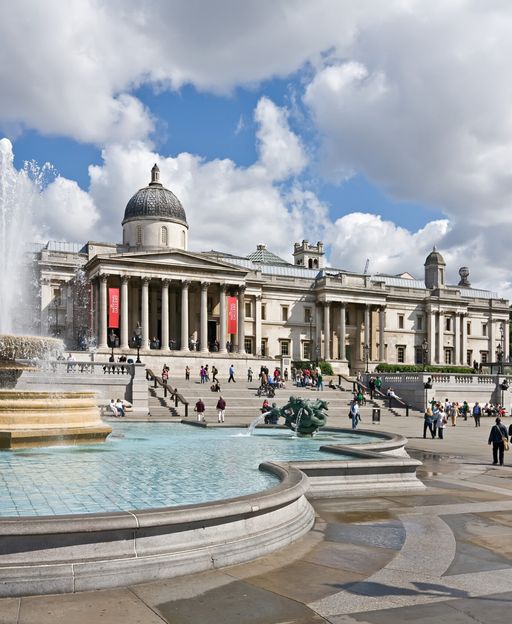
Before you dive into the day-by-day guide, it’s worth knowing that London rewards the prepared traveller. Get yourself an Oyster card or contactless payment card from the moment you arrive — it will save you money and queuing time on the London Underground (the Tube). Download the TfL Go app, and consider a travelcard if you plan to be on the move from morning to night. With those basics sorted, let’s get to the good part.
How to Make the Most of One Week in London
London is a city of neighbourhoods, each with its own atmosphere, history, and character. Rather than rushing between tourist landmarks, the smartest approach to one week in London is to organise each day around a distinct area. This way you walk less aimlessly, spend more time absorbing each place, and discover corners of the city that most visitors miss entirely.
If you’re trying to decide which sights to prioritise, our top 10 places to visit in London is a great starting point. For those who have been before and want to dig deeper, this seven-day plan builds in time for both the classics and the overlooked gems.
Day 1 — Westminster, the South Bank & Covent Garden
Morning: Westminster & the Heart of History
🇬🇧 Join 3,000+ London Lovers
Get hidden gems, local stories, and insider London every week. Free forever.
Begin your week at Westminster, the political and spiritual heart of the city. Start with Westminster Bridge for the classic view across the Thames to the Houses of Parliament and Big Ben (officially the Elizabeth Tower). Walk along the Embankment to Westminster Abbey — one of the most significant buildings in British history, with more than a thousand years of coronations, royal weddings, and funerals within its walls.
From Westminster, it’s a short walk to St James’s Park, one of the Royal Parks. It’s free to enter and offers a stunning view of Buckingham Palace. If you’d like to explore what’s inside, check availability in advance — the State Rooms open to visitors in summer.
Afternoon: South Bank
Cross Westminster Bridge and make your way east along the South Bank — London’s cultural riverside strip. Stop at the Tate Modern (free entry), one of the world’s great contemporary art galleries housed in a converted power station. The views from the viewing level alone are worth the visit. Continue past the Globe Theatre and along to Borough Market for a late lunch — it’s one of London’s oldest and most beloved food markets, a brilliant introduction to the city’s extraordinary food culture.
Evening: Covent Garden
Wrap up the day in Covent Garden — a lively piazza full of street performers, restaurants, and independent shops. It’s the kind of place that rewards wandering. There are options for every budget here, from casual pizza to proper sit-down dinners with a West End buzz.
Day 2 — The City, Tower of London & Shoreditch
Morning: The Tower of London
Head east to the City of London and begin at the Tower of London, one of the most visited historic sites in Britain. Is the Tower of London worth visiting? Absolutely — it’s home to the Crown Jewels, a thousand years of royal history, and the iconic Yeoman Warders (the Beefeaters) who bring the stories to life. Book tickets in advance to avoid the queues.
Afternoon: Tower Bridge & Bermondsey
From the Tower, Tower Bridge is right on your doorstep — and well worth walking across. If you can, go inside: the bridge’s Victorian engine rooms and glass-floored walkways are genuinely spectacular. From there, head into Bermondsey for coffee, independent galleries, and the quieter, more creative side of South London.
Evening: Shoreditch
As the afternoon turns to evening, make your way north to Shoreditch — east London’s hub of street art, craft cocktail bars, and some of the city’s most exciting restaurants. Brick Lane is nearby if you’re in the mood for curry or bagels from the famous 24-hour bakeries. Shoreditch has a gritty, creative energy entirely unlike Westminster, and it’s one of the most exciting places in London after dark.
Day 3 — Kensington, Chelsea & Notting Hill
Morning: The Museum Mile in Kensington
London has some of the best free museums in the world, and Kensington has three of them within easy walking distance of each other. The Natural History Museum (famous for its cathedral-like architecture and life-size dinosaur skeletons), the Science Museum, and the Victoria and Albert Museum (decorative arts and design) could each fill an entire day. For a seven-day itinerary, choose one or two to explore in depth rather than rushing through all three.
Afternoon: Chelsea & the King’s Road
From South Kensington, walk south into Chelsea — one of London’s wealthiest and most stylish neighbourhoods. The King’s Road, once the epicentre of 1960s fashion and punk culture, is lined with boutiques, cafés, and restaurants. Stop in at the Chelsea Physic Garden if it’s open — a hidden gem tucked behind brick walls near the Thames, and one of the oldest botanical gardens in Britain.
Evening: Notting Hill
Head north to Notting Hill in the early evening, when the pastel-coloured townhouses glow in the late-afternoon light. Portobello Road is quieter on weekdays and worth exploring for antique shops and food stalls. The neighbourhood has excellent dining options, particularly along Ledbury Road and Westbourne Grove — relaxed, neighbourhood restaurants rather than tourist traps.
Day 4 — Greenwich & the East End
Morning: Greenwich
Take the DLR (Docklands Light Railway) or the Thames Clipper river bus down to Greenwich — a UNESCO World Heritage Site and one of the most beautiful parts of London. Walk up to the Royal Observatory and stand on the Prime Meridian (0° longitude), visit the Cutty Sark (the last surviving tea clipper), and enjoy the view over London from Greenwich Park. It’s a genuinely sweeping panorama of the city’s skyline.
Afternoon & Evening: Canary Wharf & Spitalfields
The Jubilee line whisks you from Greenwich to Canary Wharf, London’s glittering financial district — a fascinating architectural contrast to the Georgian elegance of Greenwich. From Canary Wharf, continue north-west to Spitalfields for dinner. Old Spitalfields Market is a wonderful spot for street food and independent traders, surrounded by some of the finest 18th-century merchant houses in the capital.
Day 5 — Camden, Regent’s Park & Primrose Hill
Morning: Camden Market
Camden is one of London’s most distinctive neighbourhoods — loud, colourful, and completely itself. Camden Market is one of the city’s most popular attractions, with hundreds of stalls selling everything from vintage clothing and handmade jewellery to food from every corner of the globe. It’s at its most vibrant on weekend mornings, but it buzzes throughout the week.
Afternoon: Regent’s Park & Primrose Hill
A short walk south of Camden takes you into Regent’s Park — London’s most beautifully manicured Royal Park, complete with the Open Air Theatre, boating lake, and Queen Mary’s Rose Garden. From there, climb Primrose Hill for one of the best views of the London skyline you’ll find anywhere in the city. On a clear day, the view stretches from Canary Wharf to Hampstead.
Evening: Hampstead Village
Walk or take a short bus ride up to Hampstead for dinner. This leafy village at the top of Hampstead Heath feels a world away from central London — full of independent restaurants, bookshops, and historic pubs. The Flask and the Holly Bush are two of London’s most atmospheric old pubs, perfect for a proper evening in.
Day 6 — Day Trip or Neighbourhood Deep Dive
By day six, you’ll have a genuine feel for what London means to you personally. Use this day to revisit a favourite area, or head out on a day trip. Windsor Castle is just 45 minutes by train from Paddington and well worth a half-day — the State Apartments and St George’s Chapel are extraordinary. Bath is about 90 minutes from London Paddington and one of the most beautiful cities in England. Alternatively, spend the day exploring Brixton, Peckham, or Dalston — the south and east of London are increasingly exciting for food, music, and culture.
Day 7 — Soho, Mayfair & a Proper Farewell
Morning: Soho & Carnaby Street
Spend your final morning in Soho — London’s most vibrant, eclectic, and historically rich neighbourhood. The West End is perfect for a final morning stroll. Carnaby Street, Berwick Street Market, and the independent record shops and coffee bars of Soho make for excellent aimless wandering. Have brunch somewhere good — Soho does brunch extremely well.
Afternoon: Mayfair & Bond Street
Walk east into Mayfair — one of London’s most exclusive neighbourhoods, lined with world-class galleries, jewellers, and restaurants. The Royal Academy of Arts on Piccadilly is well worth a visit. Bond Street and Burlington Arcade are London’s luxury shopping heartland, even if you’re window shopping. Shepherd Market, tucked behind Park Lane, is a charming village-within-a-city that most visitors entirely miss.
Evening: A Proper London Farewell
End your one week in London with a memorable dinner. Book a table at a West End restaurant — Soho, Covent Garden, and Mayfair all have options to suit every budget and taste. If you want something quintessentially London, a proper pie and mash or a traditional Sunday roast (on a Sunday) is one of those genuine London experiences. Alternatively, catch a West End show — London’s theatre scene is the best in the world, and an evening at the theatre is a fittingly grand way to close out your week.
Practical Tips for Your One Week in London
Getting Around London
The London Underground (the Tube) is the fastest way to travel between areas. Use your contactless bank card or an Oyster card — both cap daily spending, so you never pay more than the price of a day travelcard. Black cabs are iconic but expensive; Uber and app-based minicab services are a more affordable alternative for late nights. Walking is also underrated — many central London attractions are closer together than they appear on the Tube map, and the streets themselves are part of the experience.
Money & Currency
London uses British pounds (GBP). Most venues accept contactless payments — cash is rarely necessary in the modern city. Avoid currency exchange kiosks at airports and tourist hotspots, which charge poor rates. A specialist travel card or your bank’s international ATM will give you much better value.
Weather & What to Pack
London’s weather is famously unpredictable — layers and a compact umbrella are essential regardless of the season. March brings crisp, clear days alongside occasional rain. Spring (April–May) is beautiful, with the parks in bloom. Summer (June–August) is warm and long-daylit but busy. Wear comfortable, well-broken-in walking shoes — you will cover serious ground every single day.
What to Book in Advance
Popular attractions like the Tower of London, Westminster Abbey, and the Churchill War Rooms regularly sell out. Book at least two weeks in advance, earlier in summer. West End shows — especially the big productions — sell out months ahead. The free museums (Natural History Museum, British Museum, Tate Modern, National Gallery) require no advance booking, making them ideal for flexible days.
Where to Stay During Your One Week in London
Where you stay shapes your London experience significantly. Here are three approaches based on priorities:
- Central and convenient: Covent Garden, Soho, and the South Bank put you within walking distance of enormous numbers of attractions. You’ll pay more for accommodation, but save considerably on transport time and cost.
- Budget-friendly: Victoria, Paddington, and Waterloo are well-connected by Tube and typically offer more affordable options without sacrificing access to the rest of the city.
- Neighbourhood character: Shoreditch, Bermondsey, or Notting Hill offer a more residential feel. You’ll eat better, discover independent shops, and feel less like a tourist and more like a Londoner.
Wherever you stay, proximity to a Tube station matters most. London is vast, and a well-connected base makes the entire week run smoothly.
If you’re still deciding how to focus your time, our guide to making the most of a single day in London will help you understand which experiences are truly unmissable when minutes count. But with a full week at your disposal, you have the luxury of going deeper. Use it well — London repays attention generously, and every day will leave you wanting more.
Nearly 3,000 London lovers already know.
Every week, our free newsletter delivers hidden neighbourhood gems, seasonal guides, local stories, and practical tips for visiting the world’s greatest city — straight to your inbox. Join the community that loves London as much as you do.
Discover London’s best-kept secrets.
Every week, our free newsletter delivers hidden gems, insider tips, local stories, and practical travel advice — straight to your inbox. Join the community that loves London as much as you do.
FREE GUIDE: 25 Hidden Gems of London That Most Tourists Never Find (PDF)
Love London? So Do We.
Join our free newsletter and get the best of London — hidden walks, culture guides, food markets, and local stories — straight to your inbox every week.
Free. No spam. Unsubscribe anytime.