
London in autumn is one of the best-kept secrets in travel. From September through November, the city swaps summer’s crowds for golden parks, crisp air, and a cultural calendar packed with world-class events. If you’re planning a trip to London from the US, autumn is the season most visitors overlook — and that makes it the smartest time to go.
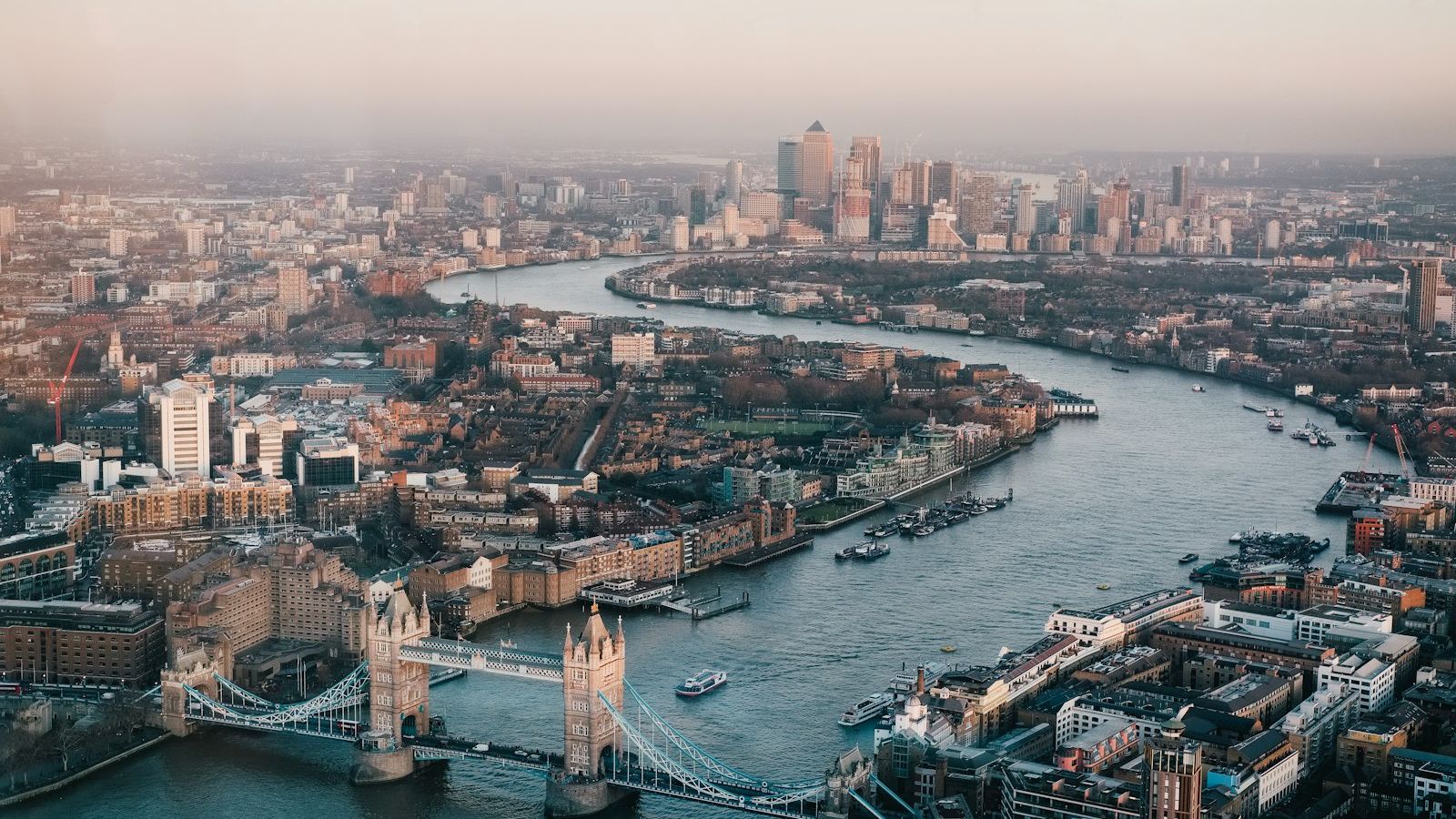
This guide covers everything you need to know before visiting in autumn — from what the weather is really like to the events worth planning around, the best parks for leaf-peeping, and practical tips for making the most of shorter days.
Why Autumn Beats Summer in London
London in summer is wonderful, but it is also crowded, expensive, and — contrary to the stereotype — often genuinely hot. Autumn changes the equation in almost every way. Here is why the season from September to November is quietly the best time to visit.
Thinner Crowds at Major Attractions
School holidays end in early September. Within a week, queues at the Tower of London, the British Museum, and Westminster Abbey shorten noticeably. You can walk straight into the National Gallery on a Tuesday morning in October without joining a slow-moving line. That is simply not possible in July or August. If you’ve always wanted to stand in front of Monet’s waterlilies without an elbow in your ribs, October is your moment.
Comfortable Temperatures for Walking
September in London averages 18°C (64°F) — warm enough for light layers, cool enough for long walks. October drops to around 13–14°C (55–57°F), which is ideal weather for exploring on foot. You won’t be battling the heat that can make a summer afternoon on the South Bank genuinely uncomfortable. The city opens up when you can walk it without stopping every ten minutes for water.
November is cooler still — around 9–10°C (48–50°F) — but still mild by most US standards. New Yorkers and Midwesterners used to proper cold will find it pleasant. The light in November turns golden and low, which makes photography exceptional.
What to Expect From the Weather in London in Autumn
Here is the honest answer: it will probably rain at some point. London averages about 10–12 rainy days per month in autumn, but showers tend to be short and move on quickly. The city does not do sustained downpours the way the US Pacific Northwest does. An umbrella or a waterproof jacket is enough.
What surprises most US visitors is how mild and grey-bright autumn days can be — not gloomy, just softly lit. The low autumn sun gives the Thames a silver shimmer in the mornings, and the parks turn extraordinary colours by mid-October. There is very little fog in modern London (the Great Smog days are long gone), but you do get thick morning mist rolling off the river, which makes riverside walks feel genuinely atmospheric.
For more detail on seasonal timing, see our full month-by-month guide to the best time to visit London.
Autumn Events and Festivals in London
The autumn cultural calendar is one of the strongest arguments for visiting London in September or October. These are events that do not happen in summer — and most US tourists never know about them.
London Film Festival (October)
The BFI London Film Festival runs for two weeks in October and is one of the world’s great film events. Screenings take place across the city at the BFI Southbank, the Odeon Luxe Leicester Square, and several smaller venues. Tickets for public screenings are affordable — usually £15–20 — and you may find yourself watching a film weeks before it opens in the US. The South Bank during the festival has an electric atmosphere in the evenings.
Frieze Art Fair (October)
Frieze London takes place in Regent’s Park in October and is considered one of the world’s most important contemporary art fairs. Two tents go up in the park — Frieze London and Frieze Masters — featuring galleries from across the world. If contemporary and modern art interests you at all, this is worth building a trip around. Day tickets start at around £50, but the park itself is free, and Regent’s Park in October is one of London’s finest sights regardless.
Bonfire Night (5th November)
Bonfire Night is a uniquely British tradition. On the 5th of November, the country celebrates (or at least commemorates) the failure of Guy Fawkes to blow up the Houses of Parliament in 1605. Fireworks displays happen across every London park and borough. Alexandra Palace, Battersea Park, and Victoria Park all run large public events. It is entirely free to watch from the streets. For US visitors, it is a completely unfamiliar experience — a winter fireworks night with bonfires, toffee apples, and sparklers, all tied to a 400-year-old conspiracy.
🇬🇧 Enjoying this guide? More than 3,000 London lovers get stories and tips like this every week. Subscribe free →
The Best Autumn Parks and Walks in London
London’s parks are spectacular in autumn, and they are all free to enter. October is the peak month for colour. Here are the parks that show off best in the season.
Holland Park and the Kyoto Garden
Holland Park is one of London’s most peaceful green spaces — less famous than Hyde Park, far quieter. The jewel inside it is the Kyoto Garden, a Japanese garden gifted to London in 1991. In autumn, the Japanese maples turn deep red and the waterfall flows through a scene that looks genuinely theatrical. It is the kind of place that stops you mid-stride. Holland Park is in West London, easy to reach on the Central or Circle line.
Regent’s Park in October
Regent’s Park holds the Queen Mary’s Gardens — one of London’s most beautiful formal gardens. In October, the roses have finished but the trees are extraordinary: copper beeches, liquidambars, and oaks all turning at once. The Frieze Art Fair sets up in the park’s Inner Circle, which gives the whole area an added energy in mid-October. A morning walk from Baker Street station through the park is one of the finest free things you can do in London.
Richmond Park and Kew Gardens
Richmond Park is London’s largest Royal Park and in October it is home to the Red Deer rut — stags bellowing and sparring across the open grassland while the bracken turns amber around them. This happens for about three weeks in October and is genuinely unlike anything you will see in most US cities. It is completely free, and the park is only 40 minutes from central London by Overground. Kew Gardens, a short bus ride away, holds one of the world’s great tree collections and in autumn the Pagoda Vista lined with ginkgo trees turns butter yellow.
Where to Stay in London in Autumn
Hotel rates in London fall noticeably from September onwards as the peak summer season ends. The same room that costs £250 a night in August may be £170 in October. This makes autumn one of the better-value times to visit, especially for US visitors travelling on a set budget.
For location, the same principles apply year-round. South Bank and Southwark are ideal for first-timers who want to be near major sights without paying Mayfair prices. For the autumn arts season, staying near Covent Garden or Bloomsbury keeps you close to theatres, the British Museum, and the West End. See our full guide to the best neighbourhoods to stay in London for a breakdown by budget and travel style.
Practical Tips for US Visitors in Autumn
What to Pack for London in Autumn
Layers are the answer. Pack a waterproof jacket you can stuff into a bag, a mid-layer fleece or jumper for evenings, and comfortable walking shoes. In September you will mostly wear light clothing with a jacket for evenings. By November, add a warm coat. Heeled shoes are a poor choice — London is cobbled in many places, and you will walk five to ten miles a day without trying.
Bring an umbrella that folds small. London rain is more of an inconvenience than a downpour, and a compact umbrella handles it perfectly. Large golf umbrellas are impractical on crowded pavements.
Getting Around London in Autumn
The Tube runs well in autumn — no summer engineering works or extreme heat slowdowns. Set up contactless payment on your phone or grab an Oyster card at any Tube station. The flat-rate daily cap means you never overpay, no matter how many journeys you make. Autumn evenings in London are also good for walking between neighbourhoods — the light lasts until around 7pm in September and 5pm by late October, but the lit-up streets and pubs are part of the appeal after dark.
For a complete breakdown of transport options, see our guide to getting around London.
Free Things to Do in Autumn
London’s world-class museums are free year-round — the British Museum, the Natural History Museum, the V&A, the National Gallery, and the Tate Modern are all free to enter. In autumn, visitor numbers are lower than summer, which means you can actually browse without feeling like you are in a crowd. Our free museums guide for US visitors covers everything you can access without paying a penny.
Frequently Asked Questions About London in Autumn
What is the weather like in London in autumn?
Autumn in London is mild and changeable. September averages 18°C (64°F), October around 13°C (55°F), and November drops to 9–10°C (48–50°F). Rain is common but usually short-lived — pack a compact umbrella and a waterproof jacket and you will be comfortable throughout.
Is London in autumn worth visiting for US travellers?
Yes — autumn is one of the best times for US visitors to experience London. Crowds are thinner than summer, hotel rates drop significantly, the parks are at their most colourful, and the cultural calendar — the London Film Festival, Frieze Art Fair, and Bonfire Night — is some of the best in the world. Many travellers who visit in autumn say they prefer it to any other season.
When does London in autumn look most beautiful?
Mid-October is typically the peak for autumn colour in London’s parks. Regent’s Park, Holland Park, Richmond Park, and Kew Gardens all hit their peak foliage between 10th and 25th October, depending on the year. If autumn leaf colour is important to your visit, aim for the second or third week of October.
How should I budget for a trip to London in autumn?
Autumn is one of London’s more affordable seasons. Hotel rates fall from September onwards, and the busiest tourist sites are less crowded. Many of London’s best attractions — all the national museums, the parks, the markets — are free. For a full breakdown of costs, see our London travel budget guide.
🇬🇧 25 London Places Most Visitors Miss
From secret riverside walks to hidden Victorian tunnels, centuries-old pubs to rooftop gardens with skyline views — our free guide reveals the London most visitors never discover. Join 3,000+ London lovers who get it free.
Get Your Free 25-Places Guide →Free forever · One email per week · Unsubscribe anytime