
Two food experiences define London for visitors more than any others: afternoon tea at a grand hotel and a Sunday roast at a proper pub. Both are genuinely British. Both are worth doing. But they are very different, and choosing between them depends on what you want from the occasion.
This article breaks down both options honestly — what you get, what you spend, and which type of trip each suits best.
Want more London tips like this? Subscribe to our free London newsletter and get the best of the city straight to your inbox.
What Is Afternoon Tea, Really?
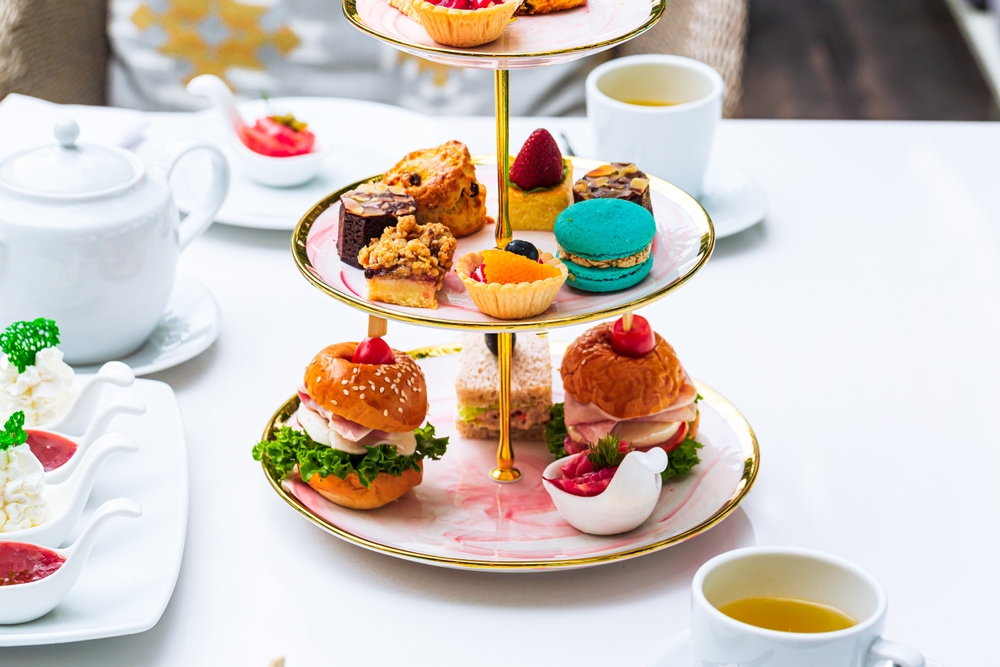
Afternoon tea is a formal sit-down meal, typically served between 12pm and 5pm. The format is fixed: a tiered stand arrives at the table loaded with finger sandwiches on the bottom tier, scones with clotted cream and jam in the middle, and small pastries or cakes on top. Loose-leaf tea, served by the pot, comes with it.
The tradition dates to the 1840s. Anna Maria Russell, the 7th Duchess of Bedford, is widely credited with starting it — she reportedly grew hungry during the long gap between lunch and the late evening dinner common at the time, and began requesting a tray of food in the afternoon. The habit caught on among the upper classes and has stayed ever since.
At the Ritz on Piccadilly, afternoon tea is one of the most famous versions in the world. The hotel has served it in the same Palm Court since 1906. You sit beneath ornate chandeliers, in a room that looks much as it did over a century ago. Staff wear formal uniforms. Dress code is enforced — smart casual at a minimum; jeans are not permitted.
The Ritz charges around £80–£100 per person. Booking months in advance is standard, particularly for weekends. It is not a spontaneous activity.
Other central London hotels offer strong afternoon teas at various price points. Claridge’s, The Savoy, and The Langham are all well-regarded. Mid-range options at department stores like Fortnum & Mason on Piccadilly run around £50–£65 per person. Smaller tea rooms across the city offer it for £25–£40.
What Is a Sunday Roast?
A Sunday roast is a hot meal, traditionally served on Sundays, built around a roasted joint of meat. The standard plate includes roast beef, chicken, lamb, or pork; roast potatoes; seasonal vegetables; Yorkshire pudding (if you’re having beef); and gravy. Accompaniments vary by pub and region — some add cauliflower cheese, red cabbage, or stuffing.
The Sunday roast has working-class roots. It became a weekly ritual in Britain partly because households would leave a joint in the oven before attending church, returning to a ready meal. The tradition is deeply associated with community and family time.
London pubs serve Sunday roasts from around 12pm, with last orders typically at 4pm or 5pm. The best ones book up quickly — popular spots like The Harwood Arms in Fulham (the only Michelin-starred pub in London), The Gladstone in Hackney, or The Anchor & Hope in Southwark fill up by Friday for the following weekend.
Cost-wise, a pub Sunday roast in London runs between £18 and £35 per person. Add a pint of ale or a glass of wine and you’re looking at £25–£45 all-in. That is considerably less than a hotel afternoon tea.
The Atmosphere: Formal vs. Relaxed
This is the sharpest difference between the two. Afternoon tea — particularly at a grand hotel — is an occasion. You dress for it, you book it in advance, and the setting is designed to feel special. Conversation tends to be measured. Staff are attentive. It suits anniversaries, celebrations, or visitors who want to experience something genuinely grand.
A Sunday roast is the opposite. Pubs are warm, loud, and unpretentious. Dogs are often welcome. Families sit alongside couples and groups of friends. It is a social ritual in the truest sense — long, slow, centred on conversation and comfort food. Nobody is checking your dress code.
If you are visiting London with children, a Sunday roast is far more practical. Most hotel afternoon teas technically permit children, but the formal setting is stressful with young ones. Pubs — even the better ones — are generally child-friendly until early evening.
Exploring London soon? Join our free newsletter for honest guides, local picks, and things worth knowing before you go.
Food Quality: What You Actually Get
Afternoon tea is not a filling meal by most standards. The finger sandwiches — typically cucumber, smoked salmon, egg mayonnaise, and coronation chicken — are small and delicate. Scones with clotted cream and jam are the highlight for most people. Pastries vary by venue. You leave satisfied but not stuffed.
A Sunday roast is a proper meal. A full plate at a good London pub is genuinely substantial. The quality of the beef matters — rare-breed, well-aged beef is the mark of a serious kitchen. Roast potatoes should be crisp outside and fluffy inside. Yorkshire puddings should be large and golden. When it’s done well, it’s one of the best meals you can eat in the country.
That said, quality varies enormously. A lazy Sunday roast — pre-cooked, reheated, served with watery gravy — is genuinely poor. Do your research before booking. Time Out London’s annual Sunday roast guide, and Google reviews filtered to recent visits, are useful tools.
When to Choose Afternoon Tea
Afternoon tea makes the most sense when:
- You are celebrating something — a birthday, anniversary, or special occasion
- You are visiting with someone who has never done it and would appreciate the experience
- You want a mid-afternoon activity that doubles as lunch and a light dessert
- You are willing to plan and book ahead
- Your budget stretches to £50+ per person
The Ritz specifically is worth it once for the setting and the history. But there are excellent afternoon teas at a third of the price if the ceremony matters more than the postcode.
When to Choose a Sunday Roast
A Sunday roast is the better choice when:
- You want to eat like a Londoner rather than a tourist
- You are with a group and want something convivial and relaxed
- You have children or a dog with you
- You want a proper hot meal and a drink at a fair price
- You are happy to find a good local pub and settle in for a few hours
The Sunday roast is, in many ways, the more authentically British of the two experiences. Afternoon tea has become enormously popular with tourists precisely because it photographs well and feels quintessentially English. A Sunday roast is what a large number of actual Londoners do every week.
Where to Book in London
Afternoon tea:
- The Ritz, Piccadilly — from £95pp, book 3+ months ahead
- Fortnum & Mason, Piccadilly — from £60pp, easier to book
- The Langham, Regent Street — from £80pp, strong reputation
- Bea’s of Bloomsbury — from £28pp, excellent value, no dress code
Sunday roast:
- The Harwood Arms, Fulham — Michelin-starred, book well ahead, around £35pp
- The Anchor & Hope, Southwark — no reservations, arrive early, around £22pp
- The Gladstone Arms, Hackney — strong beef, relaxed atmosphere
- The Camberwell Arms, Camberwell — consistently rated among London’s best
The Honest Answer
If you are choosing between the two for a single visit to London, the answer depends on one question: are you here to celebrate, or are you here to feel at home?
Afternoon tea at the Ritz is a genuine occasion. The room is extraordinary, the service is polished, and the experience stays with you. But it requires planning, a formal outfit, and a willingness to spend a significant amount on a light meal.
A Sunday roast at a great London pub is warmer, louder, and more satisfying as a meal. It connects you to how the city actually lives on a Sunday afternoon. And it leaves you with change in your pocket.
Both are worth doing. The good news is that London is big enough, and both traditions are common enough, that you rarely have to choose just once.
Planning a trip to London? Subscribe to our free weekly newsletter for restaurant picks, neighbourhood guides, and practical tips from people who know the city well.