
Westminster and the South Bank: London’s Most Iconic Mile
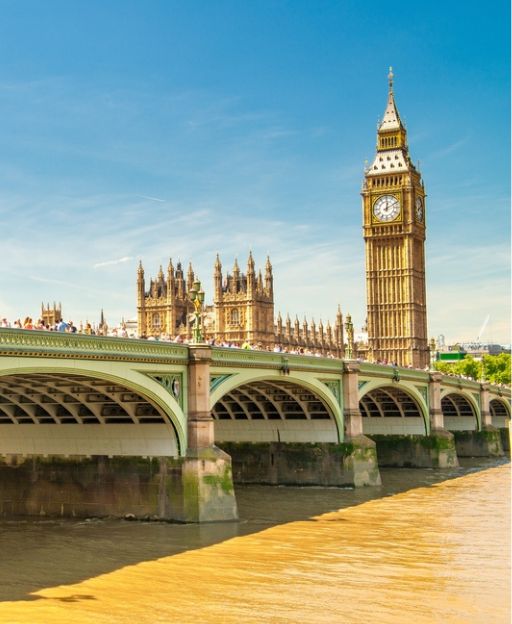
Westminster and the South Bank make up the most rewarding stretch of London for first-time visitors. Walk across Westminster Bridge and you have Big Ben behind you, the London Eye ahead, the Tate Modern a short stroll east, and Shakespeare’s Globe further along the river. This one-mile corridor delivers more world-class sights per step than almost anywhere else on earth.
Why Westminster and the South Bank Belong on Every London Itinerary
Most US visitors plan their London trip around the big names: Big Ben, Buckingham Palace, the Tower of London. Westminster and the South Bank give you the best of those landmarks in a single walkable area. You can spend a full day here without needing the Tube once. Everything connects along the north and south banks of the Thames, linked by Westminster Bridge, Hungerford Bridge, and Waterloo Bridge.
The area splits naturally into two halves. On the north bank sits Westminster — the seat of British government since the 11th century, with the Houses of Parliament, Westminster Abbey, and St James’s Park all within a few minutes of each other. Cross the river and you reach the South Bank — a lively riverside walkway lined with theatres, galleries, food markets, and a world-famous concert hall.
Getting Here
Westminster Underground station (Circle, District, and Jubilee lines) drops you right at the foot of Big Ben. For the South Bank, Waterloo station (Bakerloo, Jubilee, Northern, and Waterloo and City lines) puts you five minutes from the London Eye. The area is also well-served by buses along the Embankment and Waterloo Road.
If you’re staying in central London, both areas are reachable on foot from many hotels in Soho, Covent Garden, or Kensington. The South Bank is a particularly enjoyable approach — walk along the river from London Bridge or Borough and the skyline unfolds before you.
Westminster: The North Bank
Westminster covers the area roughly bounded by Victoria to the south-west, Trafalgar Square to the north-east, and the Thames to the south-east. It’s one of London’s most historic districts, and walking its streets is a constant encounter with British history.
The Houses of Parliament and Big Ben
The Elizabeth Tower — better known as Big Ben, though that name technically refers to the bell inside — sits at the north end of the Palace of Westminster. The current Victorian Gothic building dates from the 1840s and 1850s, rebuilt after a fire destroyed most of the original medieval palace in 1834.
You can tour the Houses of Parliament with an advance booking. US visitors can book through the official Parliament website and explore both the House of Commons and House of Lords chambers, the ornate Central Lobby, and St Stephen’s Hall. Tours run on Saturdays and during Parliamentary recesses. The exterior alone is worth a long look — the level of Gothic detail in the stonework is extraordinary.
Westminster Abbey
Westminster Abbey sits immediately west of the Houses of Parliament. Every English monarch since William the Conqueror has been crowned here (with two exceptions), and the building houses the tombs of kings, queens, poets, scientists, and military heroes going back over 900 years.
The entry fee is around £29 for adults and £13 for children (prices vary — check the Westminster Abbey website before you go). Allow at least two hours. Highlights include Poets’ Corner, where Chaucer, Dickens, Hardy, and many others are commemorated, the Coronation Chair (one of the oldest pieces of furniture still in use in the UK), and the stunning Gothic nave.
If the entry cost puts you off, the Abbey hosts free Sunday services open to all — a way to experience the interior atmosphere without paying for the full visitor tour.
St James’s Park and Buckingham Palace
A ten-minute walk west from Westminster takes you to St James’s Park, one of London’s most beautiful Royal Parks. The park wraps around a lake with a famous pelican colony — the birds have lived here since 1664 and are a genuine London institution. The view from the bridge across the lake, looking west towards Buckingham Palace and east towards the Foreign Office, is one of the best free views in the city.
Buckingham Palace sits at the western end of St James’s Park. You can tour the State Rooms during the summer opening (late July to early October most years), and watch the Changing of the Guard ceremony which takes place most mornings. Check the official Royal Household website for the schedule as it varies by season.
Whitehall and Downing Street
Walk north from Westminster along Whitehall and you pass the street that has given its name to British government. The Ministry of Defence, Horse Guards Parade, the Banqueting House, and the Cenotaph (the national war memorial) line this short road. The gates of Downing Street are visible from the pavement — you cannot enter the street itself, but the black gates and the policeman standing guard make for a recognisable photo.
Whitehall leads directly to Trafalgar Square, where Nelson’s Column and the National Gallery sit at the top of the political and ceremonial heart of London. The National Gallery is free to enter and houses one of the finest art collections in the world, including Van Gogh’s Sunflowers and Seurat’s Bathers at Asnières.
The South Bank: The South Side of the Thames
Cross Westminster Bridge to the south bank and the atmosphere changes immediately. Where Westminster is formal and weighty with history, the South Bank is open, creative, and lively. The riverside walkway — technically called the Queen’s Walk in this section — runs from Westminster Bridge east to London Bridge, a distance of about 1.5 miles.
The London Eye
The London Eye stands immediately south-east of Westminster Bridge. It’s a giant Ferris wheel with glass capsules that hold up to 25 people each. One rotation takes 30 minutes and on a clear day you can see up to 25 miles across London — the full sweep from the Olympic Park in the east to Windsor Castle in the west.
Tickets cost around £35–£40 for adults and £28–£32 for children, depending on the time of day and whether you book in advance (which saves roughly 20%). The Eye is most impressive at sunset, when the light catches the Thames and the city spreads out in silhouette. Early morning on a clear weekday is the least crowded time to ride.
The Southbank Centre and National Theatre
Walking east from the London Eye along the river takes you past two of Britain’s most important cultural institutions. The Southbank Centre — a Brutalist complex built for the 1951 Festival of Britain — houses the Royal Festival Hall, the Queen Elizabeth Hall, and the Hayward Gallery. Classical concerts, jazz nights, art exhibitions, and free outdoor events all take place here throughout the year.
The National Theatre stands a short walk further east. Its three auditoria stage some of the most acclaimed theatre productions in the world. Tickets start from around £15 for some performances, and the building itself is open to the public during the day — you can walk in, have a coffee, and soak up the atmosphere without booking anything.
Tate Modern
The Tate Modern occupies a converted power station further east along the river, just before Millennium Bridge. It houses one of the world’s great collections of modern and contemporary art, with works by Picasso, Warhol, Rothko, Bourgeois, and hundreds of other artists from the 20th and 21st centuries.
Entry to the permanent collection is free. Special exhibitions cost extra, usually £20–£25. The Turbine Hall — the vast central space of the converted power station — has been the venue for some of the most memorable large-scale art installations of the past 25 years. Even visitors with no particular interest in modern art tend to find Tate Modern absorbing. Allow two to three hours.
Shakespeare’s Globe
Just east of Tate Modern stands Shakespeare’s Globe, a faithful reconstruction of the original Elizabethan theatre where Shakespeare’s plays were first performed. You can take a guided tour of the theatre during the day, or better still, attend a performance. The summer season runs from April to October and includes plays by Shakespeare and his contemporaries.
Standing tickets — called “groundling” tickets — cost just £5. You stand in the open yard in front of the stage, exactly as audiences did in Shakespeare’s time. It’s one of London’s great experiences and genuinely unlike any other way of watching theatre.
Walking the Route: A Suggested Order
The best way to see Westminster and the South Bank in a single day is to walk a loop along the river. This route covers the main sights without backtracking:
- Start at Westminster Underground station (arrive by 9am to beat the crowds)
- Walk up to the Houses of Parliament and photograph Big Ben from Parliament Square
- Walk west to Westminster Abbey (book timed entry in advance)
- Continue to St James’s Park and walk through to Buckingham Palace
- Return to Whitehall and walk north to Trafalgar Square and the National Gallery
- Walk south via Embankment to Westminster Bridge
- Cross to the South Bank and turn left (east) along the riverside walkway
- Visit the London Eye (pre-book for sunset if your schedule allows)
- Continue east past the National Theatre and the Southbank Centre
- Visit Tate Modern (free entry to permanent collection)
- Walk the final stretch to Shakespeare’s Globe and Borough Market
- Take the Jubilee or Northern line from London Bridge station back to your hotel
This full loop takes most of a day if you stop at Westminster Abbey and the Tate Modern. If you prefer a shorter version, the South Bank alone — from Westminster Bridge to London Bridge — takes around two hours at a relaxed pace with stops.
Where to Eat and Drink
On the South Bank
The South Bank has some of London’s most enjoyable places to eat and drink, all with river views. The Southbank Centre Food Market runs every Friday, Saturday, and Sunday under Hungerford Bridge, with street food stalls covering cuisines from around the world. Prices are reasonable and the quality is high.
Borough Market, at the eastern end of the South Bank walk, is one of London’s most famous food markets and well worth the detour. Open Thursday to Saturday, it sells artisan bread, cheese, charcuterie, pastries, hot food, and much more. Arrive hungry — it’s easy to spend an hour sampling as you go. The area around Borough also has dozens of excellent restaurants if you want a sit-down meal.
In Westminster
Westminster is more geared towards business lunches and tourist restaurants than independent gems, but there are good options. The café inside the National Gallery is excellent and reasonably priced for central London. St James’s Park Café sits in the middle of the park and offers a pleasant outdoor terrace in good weather. For something more substantial, Great Smith Street and Victoria Street have a good range of restaurants a short walk from the Abbey.
Tips for US Visitors
A few things worth knowing before you visit:
- Book Westminster Abbey and the Houses of Parliament in advance. Both can sell out, especially in summer. Timed entry tickets for the Abbey are available online.
- The South Bank is free to walk along at any time. You pay only for specific attractions — the London Eye, Tate Modern special exhibitions, Globe performances. The walk itself and the views cost nothing.
- Wear comfortable shoes. The full route covers four to six miles depending on how many detours you take. Cobblestones in some areas make heeled shoes uncomfortable.
- Visit midweek if possible. Weekends are significantly busier, especially around the London Eye and Westminster Abbey. Weekday mornings in summer are the quietest window.
- The river path can be crowded near Tate Modern on weekends. Allow extra time if you’re trying to cover ground quickly.
For more help planning your London trip, our London travel tips for Americans covers the practicalities, from Oyster cards to tipping etiquette. If you’re planning several days in the city, our 7-day London itinerary shows how Westminster and the South Bank fit into a longer visit. And if you want to explore beyond the centre, our London neighbourhoods guide covers the best areas in the wider city.
Frequently Asked Questions
How long does it take to walk the South Bank from Westminster Bridge to London Bridge?
The walk from Westminster Bridge to London Bridge along the South Bank takes about 30–40 minutes at a steady pace without stops. Allow 2–3 hours if you want to spend time at the Tate Modern, browse the book stalls under Waterloo Bridge, and stop for food at Borough Market.
Is the South Bank free to visit?
The riverside walkway itself is completely free. The Tate Modern permanent collection is free. The Southbank Centre often has free outdoor events, particularly in summer. You pay for the London Eye, Shakespeare’s Globe performances, and special art exhibitions. A full day on the South Bank can cost very little if you avoid the ticketed attractions.
What is the best time of day to visit Westminster?
Early morning (8–9am) is the best time to see Westminster Abbey and the Houses of Parliament without the worst crowds. Parliament Square fills up from mid-morning onwards. If you want the classic Big Ben photograph from Westminster Bridge, go in the morning when the light comes from the east and hits the tower front-on.
Can I visit the Houses of Parliament as a tourist from the US?
Yes. The Houses of Parliament run paid guided tours for international visitors, available on Saturdays year-round and on weekdays during Parliamentary recesses (including summer, Christmas, and Easter). Book in advance at the official UK Parliament website. Tours last around 75 minutes and cover both chambers, the lobby, and the history of the building.
Where can I find the best view of Big Ben and the Thames?
The view from the south end of Westminster Bridge looking north-east gives you Big Ben, the Houses of Parliament, and the Thames all in one frame — the classic London postcard shot. The view from the north end of Waterloo Bridge looking west is equally impressive, with St Paul’s Cathedral to the east and the Houses of Parliament to the west. Both are free and always accessible.
Join 3,000+ London Lovers
Every week, get London’s hidden gems, local secrets, and travel inspiration — the kind you won’t find in any guidebook.
Subscribe free — enter your email:
Love more? Join 64,000 Ireland lovers → · Join 43,000 Scotland lovers → · Join 30,000 Italy lovers →
Free forever · One email per week · Unsubscribe anytime