
Seven days in London gives you the right amount of time to explore the city properly. With 7 days in London, you can cover the major landmarks, spend a morning at the free museums, get lost in a few quieter neighbourhoods, and still escape to the English countryside for a day. This guide lays out a practical day-by-day plan designed specifically for US visitors — with transport tips, timing advice, and honest recommendations for what is worth your time.
Before You Arrive: What US Visitors Need to Know
A week in London takes a bit of planning. Sort these three things before you fly and you will save time on arrival.
Getting from Heathrow to Central London
Most transatlantic flights land at Heathrow Airport (LHR). The Elizabeth line is the fastest way into the city — it takes around 35 minutes to Paddington station. The Tube Piccadilly line is slower but cheaper. Taxis are comfortable but expensive: expect £55–80 to central London.
Pick up an Oyster card at any Tube station or tap your US credit or debit card directly on the yellow card readers. Both work on the Tube, buses, the Elizabeth line, and the Overground. The system caps your daily spending automatically, so you will not overpay no matter how much you travel. See our full guide to getting around London for everything you need to know about the Tube and buses.
Where to Base Yourself
For a 7-day trip, your accommodation base matters. Westminster and the South Bank put you close to the major sights. Shoreditch and Soho work better if you prefer restaurants and a more local feel. Our guide to the best areas to stay in London breaks down every neighbourhood by price, location, and what kind of traveller each one suits.
Budget Planning
London is an expensive city, but many of its best experiences are free — the national museums, the parks, the markets, and the river walks cost nothing. Our London travel budget guide for US visitors covers typical costs for accommodation, food, transport, and activities in detail.
Day 1: Westminster and the South Bank
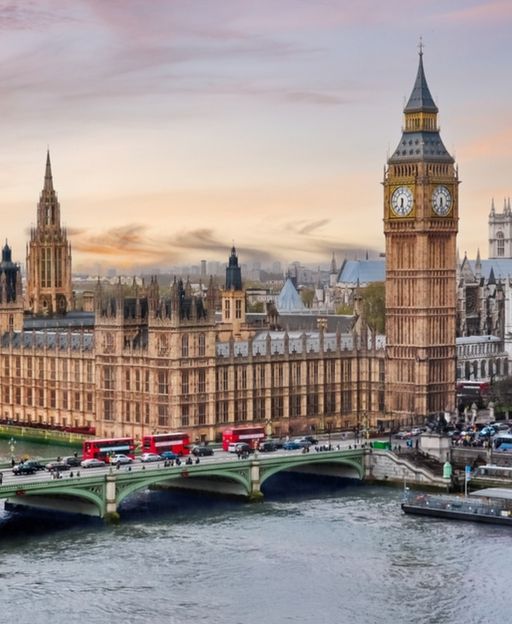
Start with London’s most iconic stretch. Cross Westminster Bridge for a clear view of Big Ben and the Houses of Parliament. Walk south along the riverside path, past the Tate Modern, Shakespeare’s Globe, and the Millennium Bridge.
What to See
- Westminster Bridge and Big Ben — free to walk and photograph
- Tate Modern — free entry; one of the world’s great modern art galleries
- Shakespeare’s Globe — guided tours run through the day (around £20)
- Borough Market — London’s most famous food market; arrive before 12:30 to avoid peak crowds
- Millennium Bridge — the glass and steel footbridge with strong views of St Paul’s
The South Bank is one of London’s most walkable stretches and you can easily cover it all in a day. Borough Market is open Thursday through Sunday.
Day 2: The City of London and Tower Bridge
London’s ancient Roman core is called the City of London. It covers just one square mile but packs in nearly two thousand years of history. Most of the banks clear out at weekends, making Saturday a quieter time to explore.
What to See
- Tower of London — book online to save money and skip the queue; allow 2–3 hours
- Tower Bridge — walk across the high-level glass walkway and look directly down at the Thames
- St Paul’s Cathedral — climb 528 steps to the Golden Gallery for panoramic city views
- Museum of London Docklands — free, and surprisingly good on the history of the port
Buy your Tower of London tickets online before you travel. The Crown Jewels queue builds quickly after 10am. Getting there at opening — 9am most days — is the best move.
Day 3: Free Museums and Kensington
Day three is about London’s extraordinary free museums. The museum district around Bloomsbury and South Kensington holds more world-class collections than almost anywhere else on earth — and most of them cost nothing to enter.
Morning: The British Museum
The British Museum holds the Rosetta Stone, the Elgin Marbles, Egyptian mummies, and artefacts from ancient civilisations across every continent. Entry is free. Allow a full morning — trying to see everything in an afternoon is not realistic.
Afternoon: South Kensington
Take the Tube to South Kensington. Three major free museums sit within five minutes’ walk of each other: the Natural History Museum, the Victoria and Albert Museum, and the Science Museum. Choose based on your interests and spend two to three hours exploring.
Finish the afternoon in Hyde Park. The Serpentine Gallery inside the park is also free. Our guide to Kensington covers all three museums plus Hyde Park and Kensington Palace in detail. For a full overview of London’s free museums, see our complete free museums guide.
Day 4: East London — Shoreditch, Brick Lane, and Camden
East London has a very different energy from Westminster. Shoreditch is London’s street art hub. Brick Lane has some of the city’s best bagels and coffee. Camden is loud, colourful, and one of the most visited spots in the city.
Morning: Shoreditch and Brick Lane
Start in Shoreditch and walk down Brick Lane. The murals change regularly and the whole area doubles as an open-air gallery. Spitalfields Market is nearby — it is open throughout the week and sells everything from vintage clothing to independent food stalls.
Afternoon: Camden
Camden Market is worth an afternoon, particularly if you travel on a weekend when it is at its most energetic. After the market, walk along the Regent’s Canal north to Primrose Hill. The view from the top of Primrose Hill is one of London’s best — you can see the city skyline spread out in front of you.
Day 5: Greenwich
Greenwich feels like a separate town rather than a London neighbourhood. It sits on the south bank of the Thames, is easy to reach by Overground or DLR, and has some of the best views in the city from the top of Greenwich Park.
What to See in Greenwich
- Cutty Sark — the fully restored 19th-century clipper ship; tickets around £20
- National Maritime Museum — free entry; three floors covering British naval history
- Royal Observatory — stand on the Prime Meridian Line; buy tickets in advance at peak season
- Greenwich Park — walk up to the Observatory for panoramic views across the Thames and the city
- Old Royal Naval College — the painted ceiling of the Painted Hall is free to enter and genuinely spectacular
Take the Overground from London Bridge to Greenwich (around 20 minutes) or the DLR from Bank station. The riverside walk between the Cutty Sark and the Observatory takes about 20 minutes and gives you good views of the Thames.
Day 6: Day Trip from London
Seven days gives you the ideal excuse to leave the city for a day. Three routes are especially popular with US visitors — all reachable by train from central London.
🗺️ Free Guide: The Best Day Trips from London (2026)
Top day trips by train, by car, and hidden gems most visitors never find — with travel times, insider tips, and the best time to visit each. Free when you subscribe to Love London.
Get the Free Day Trips Guide → Subscribe free at the guide page to receive weekly London travel storiesOption 1: Bath — Best Overall Day Trip (2 hours by train)
Bath is the most rewarding single-day trip from London. The Roman Baths, the Georgian Royal Crescent, and the Abbey are all within easy walking distance of Bath Spa station. Trains run direct from London Paddington. Our Bath day trip guide covers exactly how to plan the day.
Option 2: Oxford — University and History (1 hour by train)
Oxford’s university colleges date back to the 1200s. Most are open to visitors during the day. The Bodleian Library, Christ Church, and the covered Covered Market are all easy to explore on foot. Trains run from London Paddington and London Marylebone. See our Oxford day trip guide for a full breakdown.
Option 3: The Cotswolds — English Villages (1.5 hours by train)
The Cotswolds is the classic English countryside — honey-coloured stone villages, rolling hills, and country pubs. Trains run to Moreton-in-Marsh, which is a good base for exploring by local bus or taxi. Our Cotswolds day trip guide has all the logistics.
Day 7: Notting Hill, Covent Garden, and the Best of What You Missed
Use your final day to revisit favourites and catch anything you missed. Both Notting Hill and Covent Garden are quieter in the mornings before the day-trippers arrive.
Morning: Notting Hill
Notting Hill is best before 11am, when you can walk the pastel-fronted residential streets without the weekend crowds. Portobello Road Market runs every Saturday and is particularly busy from late morning onwards. Get there early for the best finds at the antique stalls at the northern end of the road.
Afternoon: Covent Garden and Soho
Covent Garden has good street performers around the central piazza throughout the afternoon. It connects easily to Soho by foot — a ten-minute walk that takes you through Seven Dials. Soho has some of London’s best restaurants and is an ideal spot for a final dinner before you fly home.
Practical Tips for Your 7-Day London Trip
Getting Around
The Tube is your main tool. Use your contactless US credit or debit card — it works on every Tube line, bus, Overground, and the Elizabeth line. The system caps your daily spending automatically so you will never pay more than the maximum daily rate. Walking between attractions is often faster than taking the Tube for short distances, particularly in central London.
What to Book in Advance
Book Tower of London tickets online before you travel — you save money and avoid queuing. The Crown Jewels are the busiest exhibit, so visit first thing in the morning. Restaurants in popular areas such as Soho and Covent Garden fill up quickly; book dinner reservations at least a week in advance for specific places.
What to Pack
Bring layers. London’s weather is unpredictable throughout the year — a warm morning can turn grey and rainy by lunchtime. A compact waterproof jacket takes up almost no space and will be useful every single day. Comfortable walking shoes matter more than anything else. This is a city you explore on foot, and seven days means a lot of steps.
The Best Time to Visit London for a Week
Late spring (May and June) and early autumn (September and October) offer the best balance of good weather and manageable crowds. July and August are the busiest months — accommodation costs more and popular attractions are crowded. Winter (November through February) is quieter and cheaper, but shorter daylight hours limit your sightseeing time. See our guide to the best time to visit London for a full month-by-month breakdown.
Frequently Asked Questions
Is 7 days in London enough time?
Seven days in London gives you enough time to cover the major landmarks, explore several different neighbourhoods, and take a day trip outside the city. It is a better length than 5 days for first-time visitors who want to feel they have actually spent time in the city rather than rushing between sights.
How much does a 7-day trip to London cost from the US?
Costs vary widely depending on your accommodation and how you eat. London’s free museums, parks, and markets help keep daily spending manageable. For a detailed breakdown of what to budget for hotels, food, transport, and activities, see our London travel budget guide for US visitors.
What is the best neighbourhood to stay in for a 7-day London trip?
For a first visit to London, Westminster, South Bank, and Shoreditch are all solid bases. Westminster puts you within walking distance of the major sights. South Bank works well if you prefer a river view and easy access to Borough Market. Shoreditch is better suited for visitors who want to be near restaurants and independent coffee shops.
Do US citizens need a visa to visit London?
US citizens do not need a visa to visit the UK for tourism. You may need to complete a UK Electronic Travel Authorisation (ETA) before you travel — check the UK government’s ETA guidance for the current requirements before booking your flights.
How do I get around London without a car?
You do not need a car in London. The Tube, buses, the Overground, and the Elizabeth line connect every area on this itinerary. Tap your US contactless card on the yellow readers at the entry gates — no special card or ticket purchase needed. The daily spending cap means you cannot overpay.
Join 3,000+ London Lovers
Every week, get London’s hidden gems, local secrets, and travel inspiration — the kind you won’t find in any guidebook.
Subscribe free — enter your email:
Love more? Join 64,000 Ireland lovers → · Join 43,000 Scotland lovers → · Join 30,000 Italy lovers →
Free forever · One email per week · Unsubscribe anytime