
Shoreditch is one of London’s most exciting neighbourhoods — a creative, colourful corner of East London where street art covers the walls, independent restaurants pack the streets, and a Victorian warehouse might be hiding a Michelin-starred kitchen. If you want to see a side of London that goes beyond the usual tourist circuit, Shoreditch is the place to start.
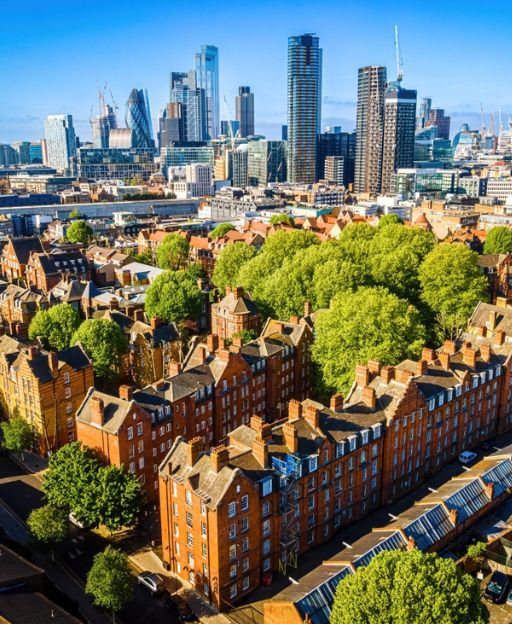
Shoreditch sits just east of the City of London financial district. It has gone from a post-industrial backwater to one of the most talked-about areas in any major European city. It takes about 20 minutes on foot from Liverpool Street station, or one stop on the Overground from Shoreditch High Street. For US visitors looking for something beyond Buckingham Palace and the Tower of London, this is exactly where to go.
This guide covers everything you need to know: what to see, where to eat, how to get there, and the best times to visit. For a broader overview of London’s transport network, see our complete guide to getting around London.
What Makes Shoreditch Different
Shoreditch is London’s arts and creative quarter. The neighbourhood built its reputation in the 1990s and early 2000s when artists, musicians, and designers moved into the area’s cheap warehouse spaces. The rents have risen since then, but the creative energy has never left.
Today it is home to some of London’s best independent restaurants, a thriving street art scene, weekly markets, record shops, vintage clothing stores, and an almost overwhelming number of coffee shops. Old Street, running through the heart of the area, is known as “Silicon Roundabout” — the centre of London’s technology and startup scene.
Unlike the West End, Shoreditch does not feel like a place performing for tourists. It feels like a real neighbourhood with its own character — because it is. You will encounter locals going about their week alongside visitors from across the world, all drawn to the same curious mix of grit and cool that gives East London its reputation.
How to Get to Shoreditch
Shoreditch is well-connected and easy to reach from central London. The main options are:
- Shoreditch High Street Overground station — the most central option, right in the heart of the neighbourhood. Take the London Overground (orange line) from Liverpool Street or Whitechapel.
- Old Street Underground station — on the Northern line, this puts you at the northern edge of Shoreditch and is a five-minute walk to most of the main attractions.
- Liverpool Street Underground and Overground — the Central, Circle, Hammersmith and City, Metropolitan, and Elizabeth lines all stop here. A 10 to 15-minute walk brings you into Shoreditch.
- Walking from the City — if you are already visiting the Tower of London or St Paul’s Cathedral, Shoreditch is a 20 to 25-minute walk east.
Shoreditch is compact and easily walkable once you arrive. Most of the key areas — Brick Lane, the street art district, Spitalfields — sit within a 15-minute walk of each other.
Brick Lane: London’s Most Famous Street Market
Brick Lane is the street most visitors want to find first. It runs from Whitechapel in the south to Bethnal Green Road in the north, passing through one of the most culturally layered streets in the city.
Historically, Brick Lane was the heart of London’s Bangladeshi community and is still famous for its curry houses. Bangladeshi and South Asian restaurants line the street, many trading for decades. A meal here is an affordable and genuine experience — this is not tourist-facing street food. This is neighbourhood cooking at its most direct.
On Sunday mornings, Brick Lane becomes one of London’s liveliest market streets. The Brick Lane Market runs from around 10am to 5pm and spills through surrounding streets and courtyards. You will find vintage clothing, vinyl records, handmade jewellery, street food from dozens of cuisines, and an eclectic mix of bric-a-brac and second-hand goods. It is chaotic, crowded, and entirely enjoyable.
Also worth finding: Beigel Bake at the northern end of Brick Lane. This 24-hour bakery has been on this street since 1977 and serves hot salt beef bagels for less than £3. It is probably the most famous cheap bite in East London, and entirely deserving of the queue.
Street Art in Shoreditch
Shoreditch is one of the best outdoor galleries for street art anywhere in Europe. The walls, alleys, and shuttered storefronts of the area have been a rotating canvas for street artists since at least the early 2000s. Banksy did some of his early London work here, and international artists continue to add to the collection every year.
The main concentration of street art runs along Brick Lane, Shoreditch High Street, and the surrounding back streets. Redchurch Street, Fashion Street, and Hanbury Street are particularly worth walking. The art changes constantly — artists may paint over what stood there in spring by summer. This is part of what makes the area feel alive.
One key spot to seek out: Leake Street Arches, a short walk from Waterloo (not technically Shoreditch, but part of the same London street art world). In Shoreditch itself, the Boxpark Shoreditch on Bethnal Green Road is surrounded by murals and is a good orientation point.
You do not need a guided tour to enjoy the street art. Simply start walking from Shoreditch High Street station and let the neighbourhood reveal itself. Street art maps and walking routes are easy to find via a search before you travel.
Spitalfields Market and Boxpark
Old Spitalfields Market is one of London’s great covered markets, operating from a Victorian building that has been a market site since the seventeenth century. Today it runs seven days a week, with stalls selling clothing, homewares, food, and crafts. Thursdays and Fridays focus on antiques and vintage goods. Weekends are the busiest and most varied.
The surrounding streets — Commercial Street, Brushfield Street — are lined with independent shops, bakeries, and restaurants. Wright Brothers Oyster and Porter House on Stoney Street (a short walk away near Borough Market) is a favourite for seafood, though the area immediately around Spitalfields has plenty of good options without leaving the postcode.
Boxpark Shoreditch, on Bethnal Green Road, is a pop-up shopping mall built from recycled shipping containers. It opened in 2011 and has become a permanent fixture in the area. The units house independent food and drink traders — it is a good option for a casual lunch when the markets are too busy to find a seat.
Columbia Road Flower Market
Columbia Road Flower Market is one of the most photographed spots in East London, and rightly so. Every Sunday morning, the street transforms into a wall-to-wall display of fresh flowers, plants, and foliage. The market runs from around 8am to 2pm. Visit early — by 11am the street gets extremely busy.
The stalls sell cut flowers, potted plants, herbs, and seasonal produce at prices well below what you would pay in a garden centre or supermarket. The vendors are famously vocal — it is part of the theatre. Surrounding the market are independent shops selling ceramics, candles, vintage homeware, and locally made goods.
Columbia Road is about a 10-minute walk from Shoreditch High Street Overground station. It is Sunday-only and not easy to visit at any other time, so plan around it if you are in London over a weekend.
Where to Eat and Drink in Shoreditch
Shoreditch has one of the most concentrated collections of good restaurants in London. The area has long attracted ambitious chefs. Affordable rents and an adventurous local crowd together have built a dining scene that punches well above its postcode.
For a memorable meal, BRAT restaurant on Redchurch Street has held a Michelin star since 2019. The cooking draws on Basque tradition, with a wood fire at its heart — whole roasted turbot and charred leeks are the signatures. The Clove Club on Shoreditch High Street has also earned a Michelin star, known for its inventive British tasting menus.
For something more casual, Dishoom’s Shoreditch branch on Boundary Street serves the same excellent Indian breakfasts and slow-cooked dals as its other London sites. Dishoom draws long queues — go early or on a weekday. St JOHN Bread and Wine on Commercial Street is a Shoreditch institution: simple, well-sourced British cooking in a stripped-back room.
For drinks, Shoreditch has more cocktail bars than almost any neighbourhood in London. Nightjar on City Road, just north of Old Street, is a speakeasy-style bar with live jazz and an exceptional cocktail list. Callooh Callay on Rivington Street is another Shoreditch favourite — theatrical in presentation, serious in quality.
If you simply want a good coffee and a seat, the neighbourhood’s independent cafés are among the best in London. Allpress Espresso on Redchurch Street is a classic; Dark Arts on Bohemia Place in nearby Hackney is worth a short walk for those who take their coffee seriously.
Shopping and Culture
Shoreditch is a serious shopping destination for those who prefer independent retailers to high street chains. Redchurch Street is the main luxury independent strip, home to fashion boutiques and design shops. Brick Lane and its surrounding streets go the opposite direction — vintage clothing, second-hand vinyl records, independent bookshops, and one-off market finds.
For culture, the Whitechapel Gallery on Whitechapel High Street (a short walk south of Brick Lane) is one of London’s most respected contemporary art spaces. Admission is free for most exhibitions. The Museum of the Home on Kingsland Road in Hoxton — a 10-minute walk north — explores 400 years of how British homes have changed. It is free to enter and genuinely engaging.
When to Visit Shoreditch
Shoreditch is worth visiting any day of the week, but the experience changes significantly depending on when you go.
- Sunday is the best day. Brick Lane Market, Columbia Road Flower Market, and Spitalfields all run simultaneously. The neighbourhood is at its most energetic and varied. Go early (before 10.30am) to avoid the largest crowds.
- Saturday is busy and good. Spitalfields is fully open, Broadway Market in nearby London Fields runs a well-loved food and produce market, and the bars and restaurants are at full capacity.
- Weekday afternoons are quieter and excellent for restaurants. You will get a table at places that require queuing at weekends, and the galleries and museum are easier to enjoy without crowds.
- Friday evening is when Shoreditch really comes alive for nightlife — the area is one of the most active in London after dark.
Shoreditch is outdoors-dependent for much of its appeal. The street art, the markets, and the neighbourhood character all read better in dry weather. Visit in spring or summer for the best experience, though autumn has its own atmosphere.
Practical Tips for US Visitors
- Pay by card wherever possible. Most Shoreditch businesses are contactless-friendly. Market stalls increasingly accept cards too, though carry a small amount of cash for the oldest stalls.
- Wear comfortable shoes. Shoreditch is a walking neighbourhood. You will cover two to four miles on a full day’s visit without realising it.
- Eat before peak times. The most popular spots fill up between 12.30pm and 2pm for lunch, and 7pm to 9pm for dinner. Arrive before or after these windows for easier access.
- Combine with the City of London. The Roman ruins, churches, and financial district of the City are a 20-minute walk west and make a natural pairing with a half-day in Shoreditch. See our guide to London’s best neighbourhoods to explore on foot for more.
- Street art changes constantly. Do not rely on images you have seen online — the murals you find will be different, and often better.
For help planning your overall London trip, see our complete first-time London planning guide and our London travel budget guide for practical cost information.
Frequently Asked Questions About Shoreditch
Is Shoreditch safe for tourists?
Yes. Shoreditch is a busy, well-visited neighbourhood and is safe during the day and in the evenings. As with any major city area, keep standard awareness of your belongings in crowded market streets. Foot traffic fills the area around Old Street and Shoreditch High Street throughout the day and well into the night.
What is Shoreditch best known for?
Shoreditch is best known for its street art scene, Brick Lane, the Sunday markets, independent restaurants, and East London nightlife. It is also known as London’s tech hub (Silicon Roundabout) and has a strong reputation for independent fashion, music, and design.
How long should I spend in Shoreditch?
A half-day (three to four hours) is enough to walk the main streets, visit one market, and have a meal. A full day (six to eight hours) lets you cover Brick Lane, the street art, Columbia Road (on Sundays), Spitalfields, and multiple food stops. Most visitors find that Shoreditch expands to fill whatever time they give it.
What is the best Tube or train station for Shoreditch?
Shoreditch High Street Overground station is the most convenient. It is one stop from Liverpool Street (served by the Elizabeth line, Central, and other Tube lines), which makes it easy to connect from most of central London. Old Street on the Northern line is the alternative, placing you at the northern end of the neighbourhood.
Is Brick Lane Market worth visiting?
Yes, particularly on a Sunday. The Brick Lane Sunday Market is one of the most atmospheric and varied markets in London, combining food, vintage clothing, records, street art, and the surrounding curry houses and independent shops. It runs from approximately 10am to 5pm. Arrive before noon for the best atmosphere and the widest selection of stalls.
Join 3,000+ London Lovers
Every week, get London’s hidden gems, local secrets, and travel inspiration — the kind you won’t find in any guidebook.
Subscribe free — enter your email:
Love more? Join 64,000 Ireland lovers → · Join 43,000 Scotland lovers → · Join 30,000 Italy lovers →
Free forever · One email per week · Unsubscribe anytime