
Earl’s Court takes its name from a medieval manor held by the de Vere family, the Earls of Oxford. The area grew into a Victorian railway suburb, a showground for huge exhibitions and, in the late 1960s, a base for young travellers from Australia and New Zealand. A visitor can still read all three chapters in a short walk around the Underground station.
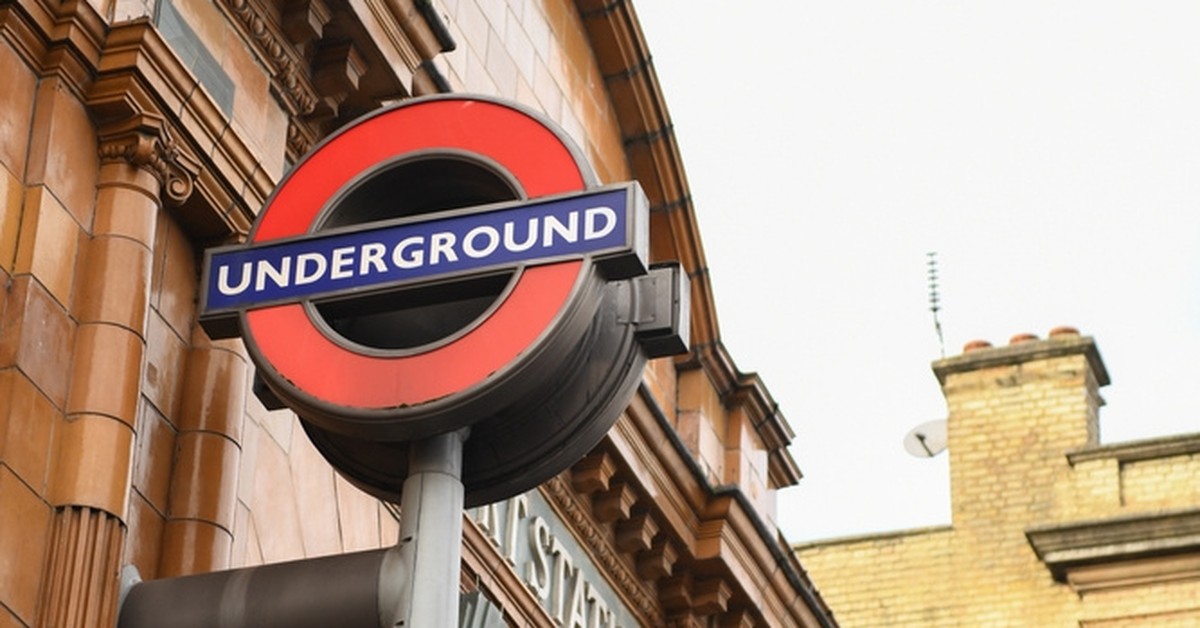
Most US visitors pass through Earl’s Court on the way to somewhere else. The District and Piccadilly lines meet here, and the stop sits close to the Natural History Museum and the V&A in South Kensington. That is a shame. This corner of the Royal Borough of Kensington and Chelsea has more layered history than its busy platforms suggest. This guide walks you through it, from the manor house to the exhibition halls to the terracotta station front.
How Earl’s Court Got Its Name
The land belonged to the manor of Kensington. The de Vere family, the Earls of Oxford, held part of it. Historians think the family lent its title to the manor house that locals came to call the Earl’s Court. The link is likely, but no surviving document proves it, so treat the story as the best available explanation rather than a settled fact.
For centuries the area stayed rural. Fields, market gardens and a few farms covered the ground that streets of tall houses cover today. London’s growth swallowed the countryside in the 1800s, and the railways drove that change.
The District Railway Arrives
Engineers of the Metropolitan District Railway built their line through this district in the late 1860s. The District Railway opened Earl’s Court station on 30 October 1871. Terraces of tall stucco and brick houses rose around it soon after, and the old farmland became a suburb in a single generation.
The railway also shaped what came next. A busy station next to open land made the site ideal for large public events. Promoters could bring tens of thousands of visitors by train straight to the gate.
A Showground for Victorian Spectacle
From 1887, the showman John Robinson Whitley used the land near the station as an exhibition ground. Victorian Londoners loved a spectacle, and the ground gave them plenty. A plaque on the site records that Queen Victoria visited some of the shows now and then.
In 1895 the organiser Imre Kiralfy built a Great Wheel at Earl’s Court for his Empire of India Exhibition. The wheel was a Ferris wheel, and it gave Londoners a view across the rooftops long before modern observation wheels existed. Nothing of it remains, but the story shows how ambitious the showground was.
This part of the history matters to US visitors for a simple reason. Ferris wheels, world’s fairs and mass entertainment were a shared Atlantic craze in the 1890s. London built its own versions, and Earl’s Court hosted some of the grandest.
🏙️ Enjoying this? 3,000 London lovers get stories like this every week. Subscribe free →
The Station Building You Can Still Admire
Look up when you leave the station on Earl’s Court Road. The station building opened in 1915. Harry Ford, an architect who worked on District line stations, designed it. Its glazed terracotta frontage gives it a warm, orange-brown look that stands out against the pale buildings around it.
The Underground used this kind of tile on many stations in the early 1900s. Architects chose it because rain and soot washed off glazed terracotta easily, so the fronts stayed clean in a smoky city. The material also let designers add curved windows and carved details without the cost of stone.
The Piccadilly line platforms came earlier than the building. They opened on 15 December 1906 under the Great Northern, Piccadilly and Brompton Railway. The station building later gained Grade II listed status. The listing dates from 7 November 1984, which means the law now protects the structure from careless alteration.
The Warwick Road entrance dates from a separate rebuild in 1936 and 1937. If you have time, see both entrances. They show two different eras of Underground design within a few minutes’ walk.
The Exhibition Centre Era
The showground tradition continued into the twentieth century. The Earls Court Exhibition Centre opened in 1937 with an Art Moderne frontage on Warwick Road. It hosted the British International Motor Show from 1937 to 1976, and generations of Londoners remember it for trade fairs, concerts and big public events. The centre closed in 2014.
Because the site has changed so much, check the latest news from the Royal Borough of Kensington and Chelsea before you plan a visit. Its official website is the right place to see what stands on the old exhibition land today: rbkc.gov.uk.
Kangaroo Valley: The Travellers’ Years
Earl’s Court had one more chapter. In the late 1960s a large, shifting population of young travellers from Australia, New Zealand and South Africa made the area their London base. They rented rooms in the big Victorian houses, found work and swapped news from home. The area picked up a nickname that stuck: Kangaroo Valley.
The pattern makes sense once you see the geography. The big terraced houses split easily into bedsits. The Underground linked the district to jobs across the city. Cheap flats and good transport made Earl’s Court the natural first stop for newcomers.
Many of those travellers went home again, but the nickname survives in books and in the stories of the families who passed through. If you have Australian or New Zealand relatives who worked in London in their twenties, ask them. Some may have lived within a few streets of this station.
Brompton Cemetery: A Short Walk Away
Brompton Cemetery sits close to Earl’s Court and serves West Brompton station. Parliament passed an Act to create it, planners laid it out in 1839, and it opened in 1840 as the West of London and Westminster Cemetery. Charles James Blomfield, the Bishop of London, consecrated it in June 1840. It holds a Grade I listing, the highest grade, and the Royal Parks manage it. You can read opening details on the official page: Brompton Cemetery at Royal Parks.
Walk the central avenue and you will see why the cemetery draws history lovers. Victorian monuments line the paths, and the setting feels calm after the bustle of Earl’s Court Road.
How to Fit Earl’s Court Into Your Trip
Earl’s Court works best as a short heritage stop rather than a full day out. Here is a simple plan:
Start at the station and study the terracotta front on Earl’s Court Road. Then walk the streets of tall Victorian houses nearby and picture them split into bedsits in the 1960s. Finish at Brompton Cemetery for a quiet hour among the monuments. Check live train information on the official Transport for London site before you travel: tfl.gov.uk.
Planning more time in west London? Our Notting Hill guide covers the next district north, and our London neighbourhoods guide helps you choose where to base yourself.
Frequently Asked Questions
When did Earl’s Court station open?
The District Railway opened it on 30 October 1871. The Piccadilly line platforms followed on 15 December 1906, and the current Earl’s Court Road station building opened in 1915.
Why is Earl’s Court called Earl’s Court?
Historians believe the de Vere family, the Earls of Oxford, gave their title to the local manor house. No document confirms the link, so it remains the likely explanation.
What was Kangaroo Valley?
It was the nickname for Earl’s Court in the late 1960s, when many Australian, New Zealand and South African travellers made the area their London base.
Is Earl’s Court worth visiting?
Yes, if you enjoy Victorian railway history and Underground architecture. Give it an hour or two, and pair it with Brompton Cemetery or a South Kensington museum.
Why Earl’s Court Matters
Earl’s Court shows how London grows. A manor became farmland, the railway turned farmland into streets, showmen turned open ground into spectacle, and travellers turned big houses into a home away from home. Each wave left something you can still see. Next time the Tube stops here, step off and look up at the terracotta.
Join 3,000+ London Lovers
Every week, get London’s hidden history, heritage walks, and stories from the city’s remarkable past — straight to your inbox.
Subscribe free — enter your email:
Already subscribed? Download your free London guide (PDF)
Free forever · One email per week · Unsubscribe anytime