
On the evening of 7 September 1940, 348 German bombers crossed the English Channel and headed for London. The Blitz had begun. By morning, more than 400 civilians were dead and the East End was in flames. Over the next eight months, the city would endure 57 consecutive nights of bombing. And in the darkness below the streets, Londoners found a way to survive.
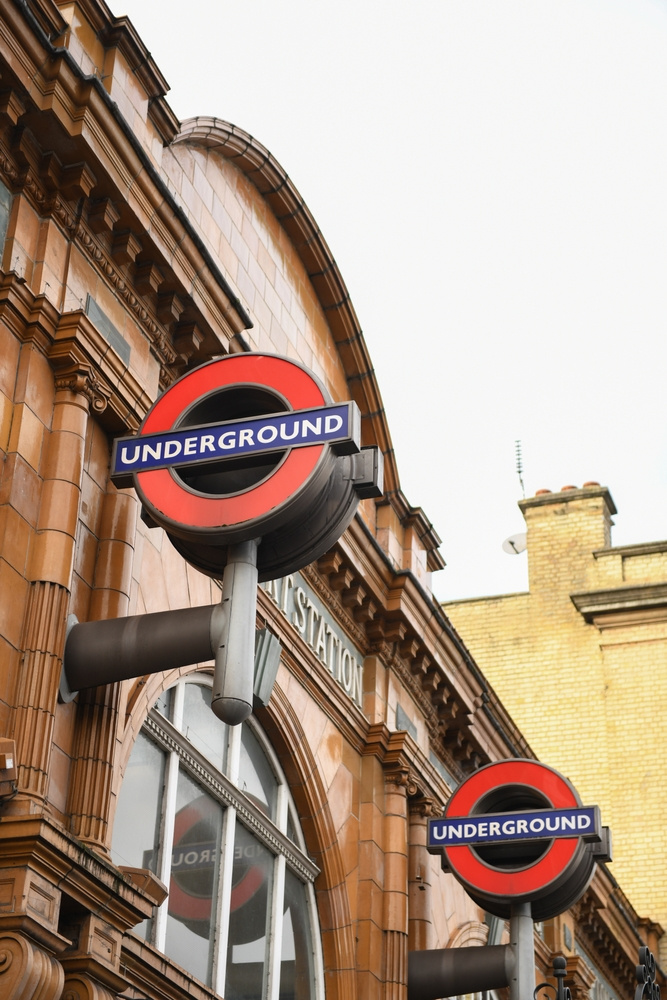
The story of how London’s Underground became the world’s most famous air raid shelter is one of quiet heroism, community spirit, and raw human survival. It is also a story that shaped the lives of many families on both sides of the Atlantic — including, perhaps, yours.
The Night Everything Changed
Saturday, 7 September 1940 started as a normal autumn day. Londoners went to markets, visited friends, and watched their children play in the parks. Then, at around 5 in the afternoon, the air raid sirens started to wail.
The bombing lasted until 4:30 in the morning. Whole streets in Stepney, Poplar, and Bermondsey simply ceased to exist. The docks burned for days. Around 430 people died that night. Thousands more lost their homes.
Families who had lived in these East End streets for generations suddenly had nowhere to go. So they did what seemed logical — they went underground.
The Government Said No. Londoners Said Otherwise.
Here is the part most visitors find surprising: when the Blitz began, the government officially banned civilians from sheltering in the Underground.
The Ministry of Home Security worried about public morale. If people retreated underground, officials feared they might never come out. They called it “deep shelter mentality.” They wanted Londoners to use the Anderson shelters in their back gardens or the brick surface shelters built on street corners.
Londoners simply ignored them.
In those first days after the Blitz began, people bought the cheapest available Underground tickets — sometimes just a penny — and simply refused to leave the platforms when the station closed. They brought blankets, pillows, and food. They held their children close and listened to the muffled thumps from above. By mid-September 1940, 177,000 people sheltered in the Tube each night.
The authorities eventually gave in. By late September, the government accepted what was already happening. Officials began providing basic facilities — chemical toilets, first aid posts, and canteen services. The London Passenger Transport Board installed bunk beds along the platforms. A special “Tube Refreshment Train” brought tea, cocoa, and sandwiches to shelters at night.
🏙️ Enjoying this? 3,000 London lovers get stories like this every week. Subscribe free →
Life Underground
Within weeks, a remarkable underground society developed along the Tube platforms.
Families claimed their spots — sometimes the same eighteen inches of platform, night after night. People brought books, knitting, and cards. Concert parties from ENSA (the Entertainments National Service Association) performed between the bunk beds. At Aldwych station, which the government closed to regular passengers and converted entirely into a shelter, the Elgin Marbles from the British Museum moved in for safekeeping. Mickey Mouse cartoons played on a makeshift screen.
People who sheltered regularly remember it not as a time of fear but of unexpected warmth. Strangers became neighbours. Cockney families who had never met before shared sandwiches and sang together. For many, those months underground forged friendships that lasted decades.
The BBC broadcast shows. Libraries set up collections at some stations. A newspaper, the Tube Times, circulated between the platforms. Children did their school lessons in the morning light filtering down from the surface, then tried to sleep to the distant rumble of bombs.
It was imperfect, of course. The platforms were crowded and the air was stale. Sanitation remained a persistent problem. Disease spread. Sleep came fitfully. But compared to what was happening above ground, the tunnels felt like another world entirely.
The Stations With Secrets
Not every station served as a civilian shelter. Some had more clandestine roles.
Down Street station in Mayfair had closed to passengers back in 1932. When the Blitz began, the War Cabinet quietly converted it into an emergency bunker. Winston Churchill used it during the early part of the war before the Cabinet War Rooms were ready. Staff ate at long canteen tables in what had once been the station’s booking hall.
Brompton Road station, another long-closed stop on the Piccadilly line, housed anti-aircraft operations. Chancery Lane became a communications hub. The whole Underground network had a shadow life running parallel to its public face — a secret infrastructure for keeping the machinery of the nation running under fire.
Aldwych, meanwhile, became the most famous of all the shelter stations. The authorities closed it entirely to traffic and turned the tunnels into dormitories. At its peak, around 1,000 people sheltered there on a single night. Today, Transport for London still uses the station for film shoots — it appears in countless WWII-era films and television dramas because so little has changed.
The Night of Bethnal Green
Not everything that happened in the Tube shelters was triumphant. The worst single civilian disaster of the Blitz did not come from a bomb. It came from a staircase.
On the night of 3 March 1943, a new type of anti-aircraft rocket fire began over East London. The unfamiliar sound frightened people sheltering near Bethnal Green station. A woman fell on the staircase leading underground. The crowd pressed forward in the dark. Within ninety seconds, 173 people died — crushed in a narrow stairway. Sixty-two of them were children.
The government suppressed the news for weeks, afraid of what it might do to morale. Families grieved in silence. Many did not know what had really happened until after the war ended. Today, a memorial stands outside Bethnal Green station. The inscription reads: “To the memory of 173 people who died.” It took decades of campaigning by local residents to secure even that acknowledgement.
The memorial is quiet and easy to miss. But it represents something important: the true cost of what ordinary Londoners bore through those years, and the determination of a community never to forget.
What You Can See in London Today
The physical traces of the Blitz shelter network survive throughout London if you know where to look.
The Churchill War Rooms in Westminster give you the most complete picture of wartime London leadership. You walk through the actual corridors where Churchill held cabinet meetings during the bombing, sleep in the bedroom where he spent occasional nights, and see the Map Room exactly as it was on the last day of the war — nothing moved, nothing changed.
The Imperial War Museum in Lambeth holds extensive collections from the Blitz period. The Blitz Experience — a walk-through recreation of a shelter and bombed street — puts you physically in the world your grandparents or great-grandparents might have known. The oral history archive contains thousands of recorded testimonies from people who lived through it.
The London Transport Museum in Covent Garden explores the Underground’s wartime role in detail. The museum’s collection includes photographs, artefacts, and documents from the shelter period — including examples of the entertainment programmes that ENSA distributed to Tube shelterers.
And at Bethnal Green Tube station, the memorial sits in a small garden on the corner outside. Take a moment if you visit the East End. Read the names. Think about those ninety seconds on a dark staircase in 1943, and about what they cost.
The American Connection
For American visitors with London heritage, the Blitz is often not ancient history. It is family history.
Between 1939 and 1945, around 1.5 million American service personnel passed through Britain. Many were stationed in and around London. They met local people, some of whom later emigrated to the United States. Children born in wartime London sometimes grew up in American cities. Entire branches of families were separated, rebuilt, and reconnected across the decades.
If your family has London roots in the early twentieth century, the odds are real that someone in your heritage lived through the Blitz. They may have sheltered in a Tube station on those long nights. They may have been one of the 1.5 million children evacuated to the countryside under Operation Pied Piper. They may have worked in a factory, driven an ambulance, or served as an ARP (Air Raid Precautions) warden, guiding neighbours through the blacked-out streets.
The General Register Office holds birth, marriage, and death records from this period. The National Archives at Kew hold war diaries, evacuation records, and civil defence documents. The London Metropolitan Archives hold local authority records — including records from the shelters themselves. If you know the borough where your family lived, you can often trace what happened to them, month by month, through those years.
Many visitors come to London looking for castles and palaces. But for those with deeper roots here, the most powerful places are often the quieter ones: a staircase at Bethnal Green, a platform at Aldwych, a memorial on a corner in the East End where 173 people never came home.
Visiting the Blitz Sites: Practical Guide
The Churchill War Rooms open daily from 9:30am to 6pm (last entry 5pm). Tickets cost £27 for adults and £13.50 for children. The museum sits just off Whitehall near Westminster Underground station. Book in advance during summer — queues can be long.
The Imperial War Museum opens daily from 10am to 6pm and is free to enter. Take the Northern line to Elephant and Castle or the Bakerloo line to Lambeth North. Allow at least two to three hours — the collections are extensive and the permanent Second World War gallery alone takes time to absorb properly.
The London Transport Museum in Covent Garden opens daily (except some Tuesdays) from 10am to 6pm. Adult tickets cost £21. The museum regularly runs special events and tours focused on the wartime Underground — check their website for current programming.
The Bethnal Green memorial is free to visit at any time. The station sits on the Central line. From the exit, the memorial garden is immediately visible on the corner of the road. There is no charge, no tour guide required — just a few minutes to stand quietly and remember.
And on any journey through London on the Tube, look at the platforms differently. Imagine 177,000 people spreading their blankets here. Imagine children falling asleep to the sound of distant explosions. Imagine a woman passing around a thermos of tea to strangers who had become, in those strange underground hours, something close to family.
That was London in the Blitz. That spirit — stubborn, communal, quietly extraordinary — is still here.
Frequently Asked Questions
How long did the London Blitz last?
The main phase of the London Blitz ran from 7 September 1940 to 11 May 1941. London faced bombing for 57 consecutive nights from September 1940. Over the whole period, approximately 43,000 British civilians died, around half of them in London.
How many people sheltered in London Underground stations during the Blitz?
At its peak in September and October 1940, around 177,000 people sheltered in the London Underground each night. This figure represents roughly one in eight of those sheltering in London overall — most people used back garden Anderson shelters or brick surface shelters rather than the Tube.
Can you visit the WWII shelters in the London Underground today?
Aldwych station is occasionally opened to the public for special events and filming, but not as a regular attraction. The Churchill War Rooms, the Imperial War Museum, and the London Transport Museum all have extensive WWII collections. The Bethnal Green memorial is freely accessible outside the station. Some walking tour companies run Blitz-themed tours of relevant sites in the East End and City.
Join 3,000+ London Lovers
Every week, get London’s hidden history, heritage walks, and stories from the city’s remarkable past — straight to your inbox.
Subscribe free — enter your email:
Already subscribed? Download your free London guide (PDF)
Love more? Join 64,000 Ireland lovers → · Join 43,000 Scotland lovers → · Join 30,000 Italy lovers →
Free forever · One email per week · Unsubscribe anytime