
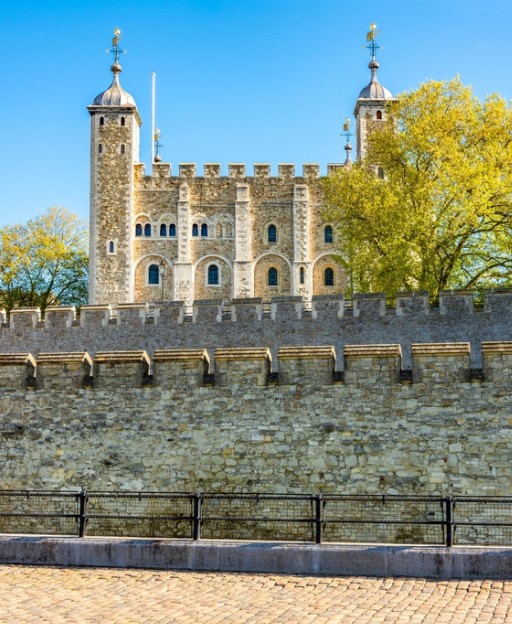
Nearly a thousand years of English history are packed inside the walls of the Tower of London, and for US visitors it is one of the most rewarding half-days in the whole city. This is where you will find the Crown Jewels, the red-coated Yeoman Warders, the famous ravens and some of the darkest, most dramatic stories in the nation’s past. Here is what to see and how to plan a visit that actually works.
A quick history: nearly 1,000 years in one castle
The Tower of London was begun by William the Conqueror shortly after the Norman Conquest of 1066, and its oldest building, the great stone keep known as the White Tower, was completed around 1078. Over the centuries that followed it served as a royal palace, a fortress, an armoury, a treasury, the Royal Mint, a menagerie of exotic animals and, most famously, a prison. Today it is a UNESCO World Heritage Site, cared for by the independent charity Historic Royal Palaces.
Standing on the north bank of the River Thames in the heart of the City of London, the Tower is not a single building but a whole complex of towers, walls and green spaces that grew up around that first Norman keep. Walking through it is like reading English history from the outside in.
The Crown Jewels
For most visitors, the Crown Jewels are the highlight, and rightly so. This working collection of royal regalia is still used in coronations and state ceremonies, and it includes the Imperial State Crown, St Edward’s Crown and the Sovereign’s Sceptre, which is set with the Cullinan I, one of the largest cut diamonds in the world. A moving walkway carries you past the most famous pieces, so try to visit early in the day before the queues build, then loop back for a second look if the crowds allow.
The White Tower and the Line of Kings
The White Tower is the oldest and most iconic part of the castle, and it now houses displays from the Royal Armouries, including armour worn by English kings. Climb up through its floors to see the beautiful Norman Chapel of St John the Evangelist, one of the best-preserved early Norman spaces in England. The views over the rest of the fortress from here help you make sense of the whole site.
Meet the Yeoman Warders (the Beefeaters)
The Yeoman Warders, better known as Beefeaters, have guarded the Tower since Tudor times and still live within its walls today. Their free guided tours are genuinely one of the best things about a visit: they are funny, theatrical and full of grisly detail, and they bring the executions, imprisonments and legends of the Tower vividly to life. Tours set off regularly from just inside the main entrance, so check the day’s schedule when you arrive and build your visit around one.
The ravens and their legend
According to legend, if the ravens ever leave the Tower, both the fortress and the kingdom will fall. To be safe, at least six ravens are kept here at all times, looked after by a dedicated Ravenmaster. Look for them around the lawns of Tower Green and the South Lawn, and please resist the urge to get too close, as these are large, clever and surprisingly strong birds.
Dark history: prisoners, Traitors’ Gate and Tower Green
The Tower’s reputation as a place of imprisonment and execution is well earned. Prisoners were often brought in by boat through Traitors’ Gate, the water gate opening onto the Thames. Two of Henry VIII’s queens, Anne Boleyn and Catherine Howard, were executed on Tower Green, and Sir Walter Raleigh spent years imprisoned in the Bloody Tower. The Tower is also tied to the enduring mystery of the Princes in the Tower, the two young sons of Edward IV who disappeared here in the 15th century. Standing on the spot where these events unfolded is a genuinely powerful experience.
Planning your visit: tickets, timing and getting there
The Tower of London is open year round, though hours are shorter in winter, and it is one of London’s busiest attractions. For the most accurate opening times and current ticket prices, always check the official Historic Royal Palaces website at hrp.org.uk before you go, as details can change from season to season. Booking your tickets online in advance is strongly recommended: it usually costs less than buying at the gate and it saves you queuing at the ticket office.
To get there, take the Underground to Tower Hill station, served by the District and Circle lines, which is a short, well-signposted walk from the entrance. Give yourself at least three hours to do the Tower justice, and more if you want to linger over the Crown Jewels and take a full Beefeater tour. Because the Tower opens early, it makes an excellent first stop for jet-lagged US visitors who are awake and ready to go before much of the city.
Combine it with Tower Bridge and the riverside
One common mix-up is worth clearing up: the striking bridge right next to the Tower, with its twin towers and blue walkways, is Tower Bridge, not London Bridge, which is the plainer crossing just upstream. After your visit, walk out to Tower Bridge for the classic photograph, then follow the Thames Path along the river. St Katharine Docks, with its marina and restaurants, sits just to the east and makes a relaxed spot for lunch once you have had your fill of history.
Make the most of your trip to London
The Tower of London rewards a little planning: arrive early, book ahead, take a Beefeater tour and leave time for the Crown Jewels. Do that, and you will come away with the highlights of a thousand years of history in a single memorable morning.
Love this kind of London travel guide? Join thousands of fellow London lovers and get our best guides, tips and stories delivered straight to your inbox — subscribe to the free Love To Visit London newsletter.