
How Many Days in London Do You Really Need? (2026 Guide for US Visitors)
Planning a trip to London and not sure how many days in London you need? It’s one of the most common questions US visitors ask — and the honest answer is: it depends on what you want to do. London is enormous. It has world-class museums, centuries of history, incredible food, and more things to see than most cities on Earth. Three days will give you a strong taste. Five days lets you breathe. Seven days lets you go deeper.
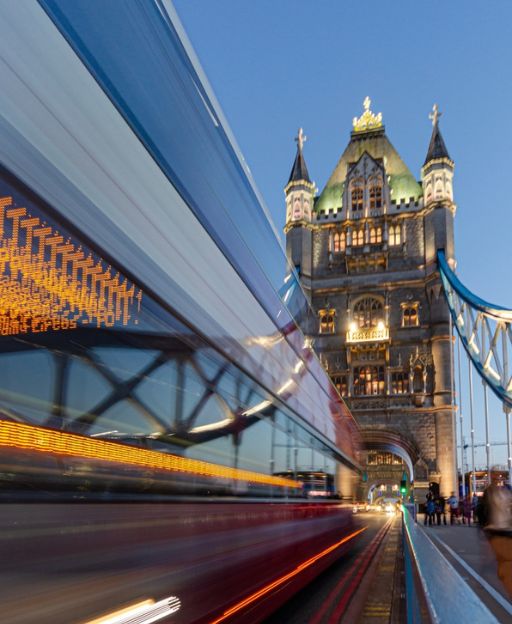
The Short Answer: 5 Days Is the London Sweet Spot
For most first-time US visitors, five days in London hits the right balance. You get time to see the major landmarks without feeling rushed. You can explore a few different neighbourhoods. You have space for a day trip if you want one — Bath, Oxford, or the Cotswolds are all easy from London by train.
That said, different trip lengths suit different travellers. Here is what you can realistically expect from each option.
3 Days in London: The Essential Highlights
Three days in London is enough to see the icons. You will leave feeling like you have experienced London, even if you have only scratched the surface. The key is to stay focused and not try to do everything.
What to do on Day 1 (Central London)
Start at Westminster Bridge. Walk along the South Bank towards Tate Modern. Cross Millennium Bridge to St Paul’s Cathedral. In the afternoon, head to Borough Market for lunch, then walk to Tower Bridge. End the day at the Tower of London — arrive before 4pm to make it worth the ticket price.
This route keeps you on your feet, but the distances are walkable. You will cover two of London’s most photographed landmarks and one of its best food markets in a single day.
What to do on Day 2 (Royal London and the West End)
Day 2 belongs to Buckingham Palace, St James’s Park, and the West End. Walk through the park from Westminster tube station — the views of the Palace from the bridge in the middle of the lake are excellent. In the afternoon, head to Covent Garden for street performance and browsing. End the evening with dinner in Soho — you will find every cuisine imaginable within a few streets.
What to do on Day 3 (Museums and a Neighbourhood)
The British Museum or the Natural History Museum should take your morning. Both charge nothing to enter and deliver genuinely world-class collections. The British Museum alone could occupy a full day, so pick two or three rooms rather than trying to see everything. In the afternoon, explore Kensington or Notting Hill on foot. By 6pm your feet will have earned a rest.
5 Days in London: The Recommended Length
Five days gives you everything from the three-day plan, plus time to slow down, discover something unexpected, and do at least one day trip outside the city. This is the length most experienced travellers recommend for first-timers.
Days 1–3: Cover the Essentials
Follow the three-day plan above for your first three days. You will cover Westminster, the South Bank, Tower Bridge, Buckingham Palace, the West End, and at least two major museums. These are the foundations of any London trip.
Day 4: A Day Trip from London
Use Day 4 for a day trip. Bath is a 1 hour 20 minute train from Paddington — the Roman Baths alone are worth the journey. Oxford is about an hour from London Paddington or Marylebone. The Cotswolds require a bit more planning (hire a car or join a tour), but the villages are unlike anything else in England.
For something closer, Hampton Court Palace is only 35 minutes by train from London Waterloo. It is one of England’s most spectacular royal residences and far less crowded than Buckingham Palace.
Day 5: Go Deeper into the City
Use your fifth day to explore a neighbourhood you have not visited yet. Camden is great if you love markets and alternative culture. Shoreditch is best for street art, independent coffee shops, and creative energy. Greenwich is excellent for history — the National Maritime Museum is free, and you can stand on the Prime Meridian Line at the Royal Observatory.
A fifth day also gives you time to return somewhere you loved on Day 1 or 2. Many visitors use it to go back to the British Museum or find a pub in the City of London.
🗺️ Free Guide: The Best Day Trips from London (2026)
Top day trips by train, by car, and hidden gems most visitors never find — with travel times, insider tips, and the best time to visit each. Free when you subscribe to Love London.
Get the Free Day Trips Guide → Subscribe free at the guide page to receive weekly London travel stories7 Days in London: For the Thorough Traveller
A week in London is a luxury — but a well-earned one. Seven days gives you time to see everything from the three and five-day plans, plus two full day trips, deeper neighbourhood exploration, and actual downtime.
What extra time unlocks
With seven days, you can visit the Churchill War Rooms in Westminster — an extraordinary underground museum showing exactly how Britain managed the Second World War. You can spend an afternoon at the South Bank, exploring Tate Modern and the Hayward Gallery at a relaxed pace. You have time to visit Portobello Road Market on a Saturday — something the shorter itineraries often miss.
Seven days also means you can do two proper day trips. Stonehenge combined with Salisbury Cathedral makes a full day. Brighton is just 52 minutes on the fastest train and completely different in character to London — seaside fish and chips, the Royal Pavilion, and the famous pier.
Is 7 days too long for a first visit?
Not at all. Many visitors find that seven days feels just right. The pace is more relaxed. You do not feel pressure to cram everything into a single afternoon. You have time for a long lunch in a pub, an evening at a West End theatre, and a morning wandering without an agenda. London rewards slow exploration. The more time you give it, the more it reveals.
How to Make the Most of Your Time in London
However many days you have, a few practical tips will help you get more out of the city.
Use an Oyster Card or contactless payment
London’s Tube is one of the best metro systems in the world — but buying paper tickets is expensive and slow. Get an Oyster Card from any Tube station, or simply use your contactless Visa or Mastercard. The daily and weekly fare caps mean you will never pay more than a set amount, even if you travel constantly.
The Tube is not the only option. London’s red double-decker buses are slower but far more scenic — and they use the same Oyster/contactless system. Bus route 15H from Trafalgar Square to Tower Hill runs historic Routemaster buses on weekends and is free with an Oyster Card.
Book timed entry for the big attractions
The Tower of London, Buckingham Palace State Rooms (when open), and the Churchill War Rooms all require advance booking — especially in summer. The British Museum does not currently require booking for general admission, but temporary exhibitions do. Always check the official website before you arrive.
Free museums — including the Natural History Museum, the Science Museum, the V&A, the National Gallery, and Tate Modern — welcome walk-in visitors. Arrive at opening time (10am for most) to beat the crowds. The best free museums in London can fill your whole trip without costing a penny in entry fees.
Stay in a central zone if your budget allows
Accommodation in central London is expensive. But staying in Zone 1 or Zone 2 saves significant time and transport costs. If you stay in Zone 3 or further out to save money on the hotel, factor in extra Tube fares and travel time — it often balances out or costs more in the end.
South Bank, Southwark, and Victoria are all well-positioned and often slightly cheaper than Mayfair or Covent Garden. Shoreditch and Bethnal Green in East London offer good value and are on the Overground, which connects easily to central areas.
Plan around the London Travel Budget
London is one of Europe’s more expensive cities, but it is manageable. The London travel budget guide breaks down realistic daily costs for accommodation, food, transport, and attractions. The short version: free museums, Pret a Manger lunches, and pub meals rather than restaurants will stretch your budget considerably.
What You Can Skip on a Short Visit
London has hundreds of attractions. On a short visit, ruthless prioritisation matters. Here are a few popular options that are worth skipping if time is tight.
Madame Tussauds
Madame Tussauds is expensive, crowded, and not uniquely London. Take children if they specifically ask to go — but adults travelling solo or as couples almost always regret the price.
The London Eye
The London Eye gives a good aerial view, but the queues are long and the ticket price is high. If you want a rooftop view of London, the Sky Garden at 20 Fenchurch Street is free (book online in advance), and Primrose Hill gives a famous panoramic view at no cost at all.
Shopping on Oxford Street
Oxford Street is London’s main shopping drag, but it is loud, crowded, and full of chains you can find at home. Carnaby Street, Seven Dials, and Portobello Road are far more interesting. If you need to shop for souvenirs, Covent Garden and the British Museum gift shop are better options.
Frequently Asked Questions
How many days in London is enough for a first visit?
Five days is enough for a satisfying first visit to London. You can cover the major landmarks, explore a few different neighbourhoods, and fit in at least one day trip outside the city. Three days is sufficient for the absolute essentials if your schedule is tight.
Is 3 days in London too short?
Three days in London forces focus — and that can be a good thing. You will see Tower Bridge, Westminster, Buckingham Palace, the South Bank, and at least one world-class museum. You will not see everything, but you will leave with a genuine feel for the city. Think of it as a first chapter, not the whole book.
What is the best way to get around London as a US visitor?
The best way to get around London is the Tube, combined with walking. Use a contactless Visa or Mastercard for automatic fare capping — no Oyster Card needed if you already have a contactless card. For a scenic alternative, double-decker buses are great for routes along the Thames and through central London.
When is the best time of year to visit London?
Late spring (May and June) and early autumn (September and October) are the best times to visit London. The weather is mild, the days are long in June, and summer crowds thin out by September. Winter is quieter and cheaper but grey. Summer is busy and the weather is unpredictable — never count on sunshine in London regardless of the season.
How far is London from the airport?
Heathrow Airport sits 15 miles west of central London. The Elizabeth line (formerly Crossrail) takes about 30 minutes to Paddington and costs less than the Heathrow Express, which covers the same distance in 15 minutes. Gatwick Airport lies 30 miles south — the Gatwick Express reaches Victoria station in 30 minutes. Stansted and Luton sit further out and mainly serve budget carriers.
Join 3,000+ London Lovers
Every week, get London’s hidden gems, local secrets, and travel inspiration — the kind you won’t find in any guidebook.
Subscribe free — enter your email:
Love more? Join 64,000 Ireland lovers → · Join 43,000 Scotland lovers → · Join 30,000 Italy lovers →
Free forever · One email per week · Unsubscribe anytime