London got its first public street lighting in 1684 — oil lanterns hung at intervals along the main roads. Before that, the city went dark at night. Yet several London pubs were already pulling pints long before that first lantern was lit.
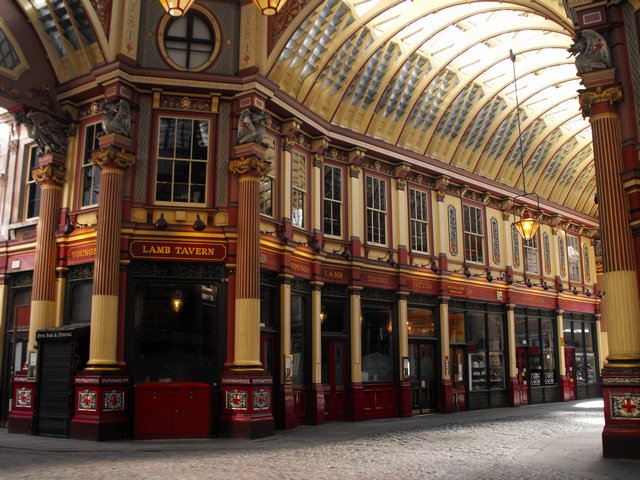
These aren’t tourist gimmicks. They’re working pubs with genuine history behind every low beam and flagstone floor. Here’s where to find them and what to expect when you go.
Why Surviving Old Pubs Matter
A pub that has been standing for four or five centuries has survived plague, fire, war, and decades of property development. The Great Fire of 1666 wiped out most of medieval London. The Blitz took another chunk. The fact that any pub from before 1700 still stands and still serves is worth paying attention to.
These aren’t museum pieces. You can walk in, order a pint, and sit in the same room where Samuel Pepys, Dr Johnson, or John Keats once drank. That’s a fairly remarkable thing to be able to do on a Tuesday afternoon.
Want more London hidden gems, history, and local guides delivered to your inbox? Subscribe to the Love London newsletter — free, weekly, and written for people who love this city.
The Prospect of Whitby, Wapping (Est. 1520)
The Prospect of Whitby claims to be the oldest surviving riverside pub in London, with records going back to 1520. It sits on Wapping Wall, looking out over the Thames, and its flagstone floors and wooden beams date back centuries.
The pub was originally called The Devil’s Tavern, which tells you something about the early clientele — it was a favourite of smugglers, pirates, and thieves working the docks. Samuel Pepys and Judge Jeffreys (known as the Hanging Judge, who used to watch executions at nearby Execution Dock) were both regular visitors.
Today it’s a proper working pub with river views, a terrace, and a real pewter bar top. The easiest way to get there is via Wapping Overground station, a short walk along the river bank.
Ye Olde Mitre, Ely Place (Est. 1546)
This one takes some finding. Ye Olde Mitre is hidden at the end of a narrow alleyway off Ely Place in Holborn, and plenty of Londoners have walked past the entrance without ever noticing it.
The pub was originally built in 1546 for the servants of the Bishops of Ely, whose London palace stood nearby. The current building dates mostly to 1772, but the history on this site stretches back nearly 500 years. There’s a preserved cherry tree trunk behind glass inside — legend has it that Elizabeth I danced around it during a visit to the Bishop’s palace.
No food, no music, no gaming machines. Just well-kept beer in a small, old pub tucked away from the noise of Holborn. It’s cash only, closes at 11pm, and is shut at weekends. Plan accordingly.
The Seven Stars, Carey Street (Est. 1602)
The Seven Stars has stood on Carey Street in Holborn since 1602, making it one of a handful of buildings in central London that survived the Great Fire of London. Carey Street runs along the back of the Royal Courts of Justice, and this pub has been serving lawyers, clerks, and court-watchers for over four centuries.
It’s a small pub — two low-ceilinged rooms — and fills up quickly at lunchtime on weekdays. The walls are covered in vintage legal prints and theatrical posters. The food is honest and good, cooked on the premises. Arrive early if you want a seat.
The Mayflower, Rotherhithe (Est. 1621)
The Mayflower sits on Rotherhithe Street, close to where the Pilgrim Fathers boarded the ship that took them to America in 1620. The pub is named after that ship and is one of the few establishments in England licensed to sell both British and American postage stamps — a quirky nod to its transatlantic connections.
The current building dates to 1621 and has a small wooden jetty built over the Thames at the back. It’s a genuinely atmospheric spot, particularly in the evenings when the river traffic quiets down and you can hear the water beneath the boards.
Rotherhithe station on the Overground is a five-minute walk away. The area around the pub is quiet compared to central London, which adds to the appeal.
Ye Olde Cheshire Cheese, Fleet Street (Est. 1667)
Ye Olde Cheshire Cheese was rebuilt in 1667, the year after the Great Fire destroyed the previous building on the site. There had been a pub here since at least the early 1500s, but the current building — all low ceilings, dark wood panelling, and sawdust on the floors — dates from the post-Fire reconstruction.
The pub became a literary institution. Dr Johnson drank here regularly (he lived around the corner on Gough Square), as did Dickens, Tennyson, Conan Doyle, Mark Twain, and Yeats. There are multiple bars spread across several levels, and the layout works more like a warren than a single room — it takes a couple of visits to get your bearings.
The entrance is through a narrow passage called Wine Office Court, just off Fleet Street. Easy to miss if you don’t know where to look.
Enjoying this guide? Sign up for our free weekly newsletter for more London history, local pub guides, and things to do across the city.
The George Inn, Borough (Est. 1677)
The George Inn in Borough is the last surviving galleried coaching inn in London. It’s owned by the National Trust but still operates as a fully working pub. The building dates to 1677, after the original medieval inn on the site burned down, and its wooden galleries look out onto a cobbled courtyard that once served as a performance space for travelling theatre companies.
Charles Dickens mentioned it in Little Dorrit. Shakespeare may have drunk at the earlier inn on the same site, though that’s harder to verify. Today it’s busiest in summer when the courtyard fills with drinkers after work.
Borough Market is a five-minute walk, which makes the George an easy stop on any visit to south London. Go on a weekday to avoid the weekend crowds.
Practical Tips Before You Go
Most of these pubs are in central or inner London and reachable by Tube or on foot. A few things worth knowing before you visit:
- Opening hours: Several have restricted hours. Ye Olde Mitre closes at 11pm and is shut at weekends. The Seven Stars keeps weekday-focused hours. Always check before making a special trip.
- Cash: Some of the older pubs are cash-only or strongly prefer it. Keep a bit of cash on you.
- Crowds: Weekday lunchtimes draw the biggest crowds near the law courts and the City. Early evenings midweek are often the quietest time to visit.
- Group size: These are mostly small pubs. Don’t expect to arrive with a large party and find room without warning ahead.
- Transport: Blackfriars, Chancery Lane, Temple, and Borough are the most useful Tube stops for this list. The Prospect of Whitby and Mayflower are on the Overground.
The Bigger Picture
There are around 3,500 pubs in Greater London. Most were built in the 19th or early 20th century — the Victorian and Edwardian era when brewing companies put up handsome tiled buildings on street corners across the city. The ones on this list are different.
They predate gas lighting. They predate indoor plumbing. A few of them predate the concept of a recognisable London skyline. They survived the plague years, the Great Fire, the Blitz, and four centuries of the city remaking itself around them.
That they’re still pulling pints is remarkable. That you can simply walk in and order a drink is even more so. London doesn’t always make it easy to connect with its deep history — the city moves fast and knocks things down. These pubs are an exception, and they’re worth seeking out.
Bring cash, check the opening hours, and take your time.
Get more London guides like this straight to your inbox. Subscribe to the Love London newsletter — free every week, no spam, unsubscribe any time.