
London has always reinvented itself. But some corners of the city have done it better than others. Over the last fifty years, a handful of neighbourhoods have gone from overlooked to outstanding — and the change has been genuinely remarkable. Here are the areas that have aged the best, and what made the difference.
Enjoyed this? Subscribe to our free London newsletter for more like it: Sign up here
Bermondsey: From Tanneries to Tables
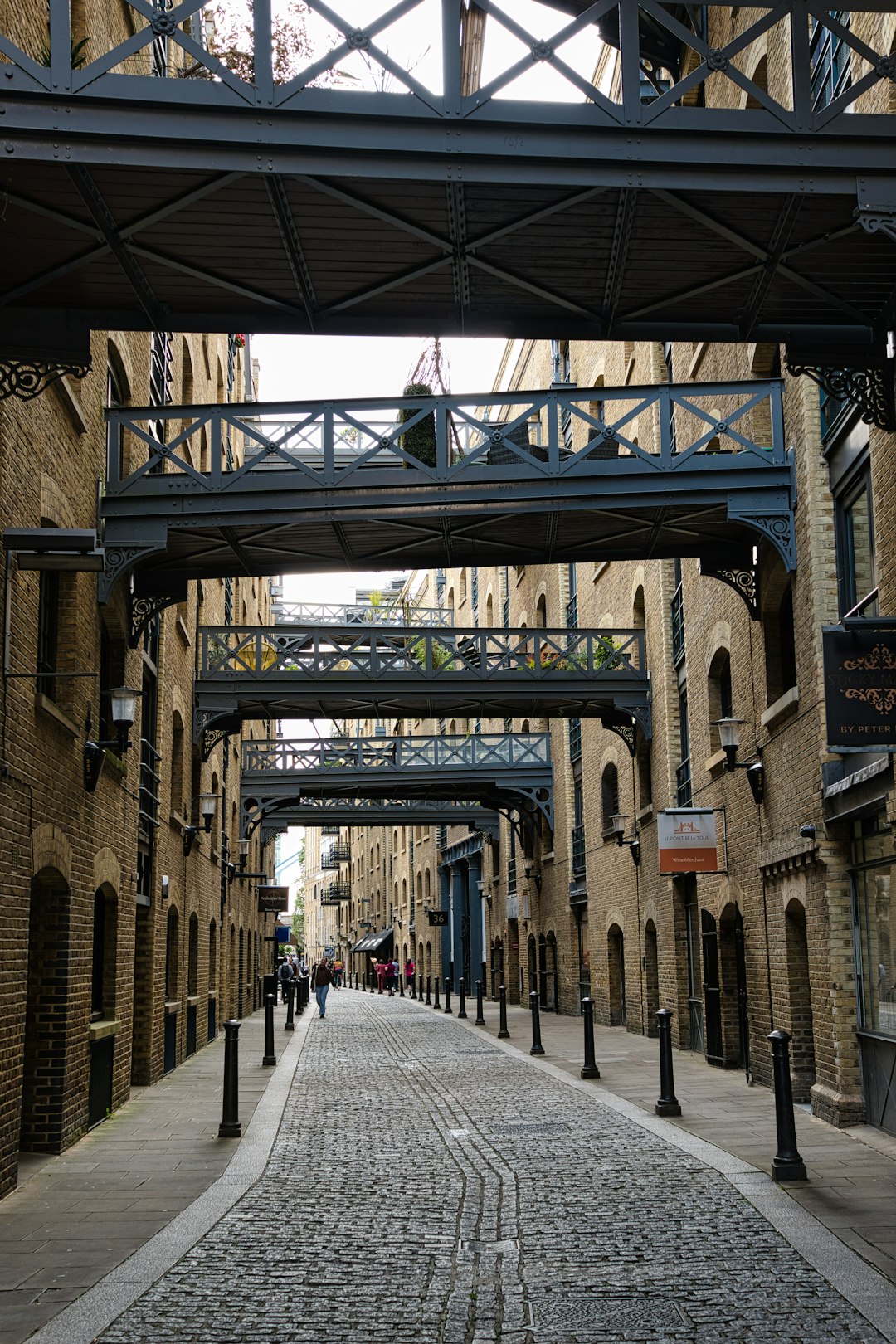
Bermondsey’s transformation is one of London’s great success stories. Fifty years ago, it was defined by leather tanneries, warehouses and cold-storage facilities. The smell was a running joke. Today, Bermondsey Street is lined with independent restaurants, galleries and the Fashion and Textile Museum. Maltby Street Market on a Saturday morning draws visitors from across London. The railway arches that once housed industry now hold coffee roasters, wine merchants and cheese importers.
The physical structure of the neighbourhood — Victorian brickwork, wide railway viaducts, Georgian terraces — has actually benefited from its industrial past. There was no grand plan. The bones were already there.
King’s Cross: The Most Dramatic Comeback
Thirty years ago, King’s Cross had a reputation for crime, street prostitution and urban decline. The area around the station was somewhere people passed through, not somewhere they chose to be. The £2 billion regeneration of the Goods Yard, completed in phases from the early 2010s, changed that entirely.
Granary Square is now one of the most visited public spaces in London. Coal Drops Yard — two Victorian coal-handling structures converted into a retail and dining destination — won architectural praise when it opened in 2018. The canal-side walkway along the Regent’s Canal connects King’s Cross directly to Camden and Angel, drawing cyclists and walkers year-round. The transformation preserved the Victorian railway infrastructure, which gives the area an authenticity that purpose-built regeneration zones often lack.
Peckham: The Creative Revival
Peckham spent decades trading on a reputation largely shaped by television — specifically Only Fools and Horses, set in the fictional Peckham of the 1980s. The real place was more complicated: genuine deprivation existed alongside a thriving Afro-Caribbean and West African community that had been there since the 1950s and 1960s.
Today, that cultural richness is recognised rather than overlooked. Peckham Levels — a former multi-storey car park — now holds independent food businesses, art studios and music venues. Peckham Rye Park remains one of the better-maintained green spaces in South London. The neighbourhood has not erased its past; it has built on it.
Want to stay up to date with the best of London? Subscribe to our free weekly newsletter and never miss a thing.
Shoreditch and Hackney: The Tech and Arts Belt
No conversation about London’s neighbourhood transformations can skip Shoreditch. In the early 1990s, cheap rents attracted artists and musicians. The area became synonymous with the Young British Artists movement — Damien Hirst, Tracey Emin and others used the warehouses and studios of Shoreditch and neighbouring Hoxton. As the arts community grew, so did cafés, bars and restaurants.
By the early 2000s, the area was attracting tech startups, drawn by the same cheap rents and creative atmosphere. Now it is one of Europe’s most significant tech hubs. The downside is well-documented — rents have risen sharply, and many of the original artists and independent businesses have moved further east to Hackney Wick, Dalston and Clapton. Whether that counts as ageing well depends on where you stand. What is undeniable is that the physical area is dramatically improved: streets that were derelict are active, buildings that were falling down have been repaired or replaced, and the area generates significant economic activity.
Brixton: Culture Held Its Ground
Brixton’s transformation is arguably the most contested. It went through serious unrest in the early 1980s — the 1981 Brixton riots were a response to policing tactics and deep economic disadvantage. Yet the neighbourhood retained its cultural identity through the following decades in a way that many comparable areas did not.
Brixton Market has been trading since 1888 and remains genuinely diverse in what it sells and who sells it. Electric Avenue — the first street in Britain lit by electric light — still functions as a working street market. Brixton is not without tension, but it has kept more of its original character than most comparable areas of inner London.
Notting Hill: Reinvention With Deep Roots
Notting Hill’s modern reputation — expensive property, Portobello Road antiques market, the annual Carnival — can obscure the fact that this was, from the 1950s through the 1970s, a genuinely poor area with significant social problems. Rachman landlords exploited Caribbean immigrants in overcrowded housing. The Notting Hill race riots of 1958 were among the worst outbreaks of racial violence in modern British history.
The Notting Hill Carnival, which began in 1964, was partly a direct response to that violence — a community asserting its presence and culture. Today, the Carnival is the largest street festival in Europe, drawing up to two million people over the August Bank Holiday weekend. The neighbourhood has become expensive enough that many of the people who built its culture can no longer afford to live there, which is a genuine loss. But the public expression of that culture — the Carnival, the market, the independent shops that have survived — remains a meaningful legacy.
What These Neighbourhoods Have in Common
The areas that have aged best in London tend to share a few characteristics. They had strong physical bones — Victorian or Edwardian buildings that were built to last and have adapted well to new uses. They had existing community institutions that gave the area identity even during difficult decades. And they benefited from investment that worked with the existing character of the place rather than flattening it.
The worst urban renewal schemes of the 1960s and 1970s did the opposite — tearing down Victorian terraces to build housing estates that replaced one set of problems with another. The neighbourhoods that thrived were often the ones that were too overlooked or too poor to attract that kind of heavy-handed intervention in the first place.
London is still changing. Areas like Walthamstow, Lewisham and parts of Woolwich are now attracting the same creative communities that transformed Shoreditch thirty years ago. Whether they age as well will depend on the same things: what gets built, what gets kept, and who is allowed to stay.
If you love London’s history and culture, join thousands of readers on our free newsletter — new stories every week.