
In February 1824, a twelve-year-old boy learned that his father had been locked up. The crime was debt. The prison was the Marshalsea, on Borough High Street in South London. And the boy, who would spend the next several months walking alone through London’s streets to visit him, was Charles Dickens.
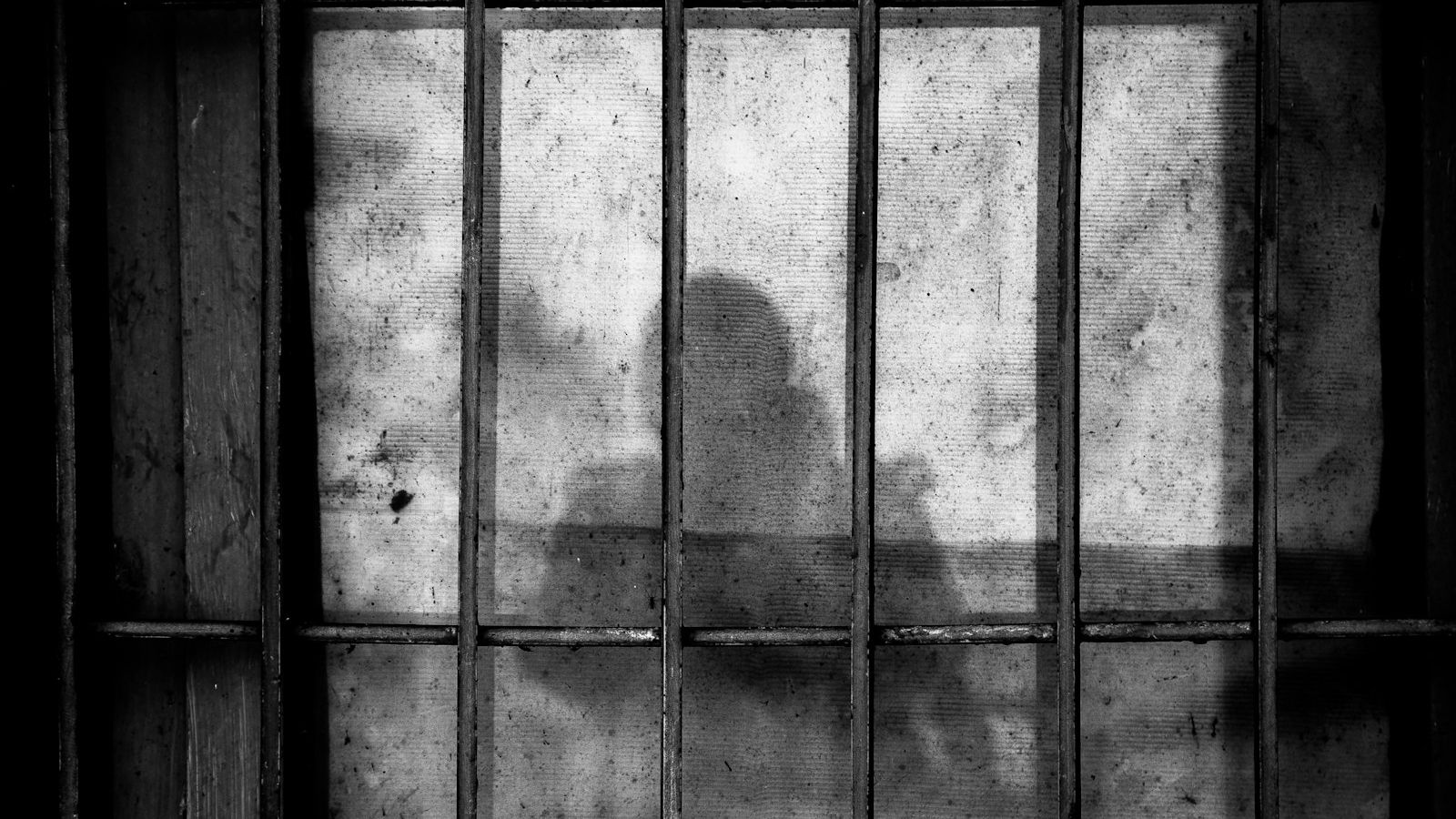
He was not yet famous. He was not yet a writer. He was a child, living in lodgings in Camden Town, working in a rat-infested factory to earn six shillings a week, and spending his Sunday afternoons in a debtors’ prison.
What those months did to him — and what they built — is one of the most extraordinary stories in literary history.
When Debt Was a Crime
The Marshalsea Prison had stood in Southwark since the 14th century. For most of its history, it held debtors — not criminals, but ordinary people who had borrowed money they could not repay.
🏙️ Love London?
3,000 London lovers get hidden history, street-level stories, and local secrets every week. Free, forever — no spam, unsubscribe any time.
Subscribe free — enter your email:
In the early 19th century, a debt of just a few pounds was enough to land you inside. Once imprisoned, you had to pay for your own food and lodgings within the prison. The less you had, the worse things became. Some people spent years trapped in a spiral they could never escape.
Families could join inmates if they chose. Many wives and children moved in rather than face the streets alone. The prison became a strange, enclosed world — part community, part punishment.
John Dickens, Charles’s father, arrived at the Marshalsea in February 1824. He owed a baker named James Karr the sum of £40 — roughly £4,000 in today’s money. His wife Elizabeth and their younger children followed him inside. Charles, at twelve, was judged old enough to fend for himself.
The Boy Who Walked Four Miles Every Day
Charles had been placed with a family in Lant Street, Southwark — just a few minutes’ walk from the prison. But before that, he had worked at a boot-blacking factory near Hungerford Stairs on the Strand.
Every morning he walked from Camden Town — four miles — to the factory. He sat in a window where passers-by could see him, pasting labels onto pots of shoe polish. He ate his midday meal on the street. He saved his pennies carefully to buy a small treat: a tart, or a slice of bread.
The work itself was not the worst part. What made it unbearable was the contrast. Just months earlier, Charles had been in school, reading books, imagining a future. Now he was a factory child, indistinguishable from the street children he saw all around him. He believed — as he later wrote — that his life was over before it had begun.
He visited the Marshalsea on Sunday afternoons. He walked in through the gates, ate dinner with his family, watched his father — a cheerful, impractical man — hold court among the other inmates. Then he walked out again, alone, back to his lodgings.
The contrast between inside and outside the walls — between family and solitude, between belonging and abandonment — never left him.
The Wound That Never Healed
John Dickens was released from the Marshalsea after three months, when a relative died and left a small inheritance. The family came out. Charles was expected to keep working at the factory.
His mother had arranged the job. She wanted him to carry on. His father disagreed and pulled him out.
Dickens wrote about this moment decades later, in a private memoir he never intended to publish. He described the relief when his father freed him. He described the bitterness he felt toward his mother, who would have kept him there. That bitterness, he wrote, never entirely went away.
He told almost no one about the factory or the prison. Not his wife. Not his closest friends. The pages were discovered only after his death — tucked away among his private papers, never meant for other eyes.
Yet those months shaped everything he ever wrote.
The Prison That Filled His Pages
Dickens could not speak about the Marshalsea. But he could not stop writing about it either.
In Little Dorrit, published in 1857, the heroine Amy is born inside the Marshalsea. Her father, William Dorrit, has lived there so long that he has become the unofficial patriarch of the inmates — known as the Father of the Marshalsea. He cannot imagine life outside its walls. When freedom finally comes, he does not know what to do with it.
The prison in the novel is described with an accuracy that could only come from lived experience. Dickens knew which rooms faced east. He knew where the daylight fell in the afternoon. He knew the particular quality of the silence on a Sunday evening when the visitors had gone.
In David Copperfield, written partly as autobiography, the young David is sent to work in a wine merchant’s warehouse. The humiliation, the loneliness, the sense of a life suddenly derailed — it maps almost exactly onto Dickens’s own months in the blacking factory. He wrote that completing those chapters felt like reopening a wound he had kept sealed for years.
Oliver Twist, the workhouse boy. Pip, ashamed of his origins in Great Expectations. Jo, the illiterate street-sweeper in Bleak House, who just wants to be moved on but has nowhere to go. Every forgotten, abandoned child in Dickens traces something back to that twelve-year-old boy, sitting in a factory window, pasting labels onto pots of shoe polish.
He did not write about poverty as a political cause. He wrote about it as a feeling — and that feeling came from the Marshalsea.
What Survives in Southwark Today
The Marshalsea Prison was demolished in the 1870s. Most of what stood there is long gone. But one wall remains.
Behind a gate off Borough High Street — through a narrow passageway called Angel Place — the original southern wall of the Marshalsea still stands. It is long, brown brick, marked with two centuries of London weather. There is no museum, no gift shop, no audio guide. It is just a wall, half-overgrown, in a quiet courtyard that most people walking along Borough High Street have never noticed.
A plaque on the street marks the site. Nearby, Southwark Cathedral — just a few minutes’ walk away — contains a stained glass window commemorating Dickens, showing scenes from his novels. The cathedral itself has stood here since the 13th century, older than the Marshalsea, older than the borough as we know it, full of its own extraordinary stories.
Lant Street, where Charles lodged during the Marshalsea months, still exists. It has changed completely. But the name is the same.
How to Visit the Marshalsea
The Marshalsea wall is easy to miss and worth finding. From Borough Market, walk north along Borough High Street toward London Bridge. Look for Angel Place — a narrow passageway on the left-hand side. The surviving wall is at the far end of the courtyard.
Give yourself a full morning. The walk from Borough Market to the Marshalsea wall to Southwark Cathedral covers less than a quarter of a mile, but the history it contains stretches back eight centuries.
If you are planning a trip to London, the South Bank and Borough area repays time and attention. Most visitors cross London Bridge and carry on. The ones who turn left and follow the narrow streets find a city that the tourist map rarely shows.
For those drawn to the literary side of the city, the story of why Britain’s greatest writers all chose the same corner of Westminster Abbey is one of the stranger, more moving threads you can follow through London’s history.
Dickens asked to be buried without announcement, without ceremony, without a public procession. He left instructions that no grand memorial was to be built. The grave at Westminster Abbey — placed there against his wishes, at the insistence of a nation that would not let him go quietly — is marked with a simple stone.
It reads: Charles Dickens. Born 7th February 1812. Died 9th June 1870.
Nothing more. Just like the wall in Southwark — brown brick, half-hidden, waiting for the people who know to look.
🇬🇧 25 Hidden Gems of London Most Tourists Never Find
From secret riverside walks to hidden Victorian tunnels, centuries-old pubs to rooftop gardens with skyline views — our free guide reveals the London most visitors never discover. Join 3,000+ London lovers who get it free.
Get Your Free London Hidden Gems Guide →Love more? Join 65,000 Ireland lovers → · Join 43,000 Scotland lovers → · Join 30,000 Italy lovers →
Free forever · Unsubscribe anytime