
In 1840, Anna, the 7th Duchess of Bedford, had a problem. The gap between lunch — served at midday — and dinner, not served until 8pm, felt impossibly long. So she began ordering tea, bread and butter, and cake brought to her private rooms in the afternoon.
What started as one aristocrat’s private snack became one of Britain’s most enduring rituals. Within a decade, fashionable London was taking afternoon tea as a social event. And nearly two centuries later, it is still one of the most misunderstood things a visitor can do in this city.
Get it right and it is one of the best hours you will spend in London. Get it wrong — the wrong venue, the wrong order, the wrong expectations — and you will leave having spent a great deal of money on something that did not quite make sense. Here is what nobody tells you before you sit down.
What Afternoon Tea Actually Is — and What It Isn’t
The most common mistake visitors make is confusing afternoon tea with high tea. They are not the same thing, and London hotels have been blurring the distinction for decades.
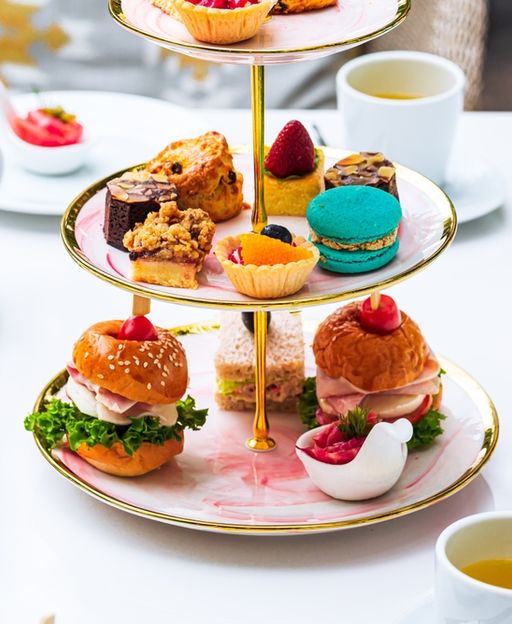
Afternoon tea is the elegant, seated ritual served between roughly 2pm and 5pm. It features finger sandwiches, freshly baked scones with clotted cream and jam, and a selection of cakes and pastries, all served on a tiered stand with tea poured from a proper pot into proper china.
High tea was originally a working-class evening meal, eaten at a high dining table after a day’s labour. Think cold meats, fish pies, bread, a pot of strong tea. Nothing to do with silver cake stands or white linen.
Many London hotels — particularly those catering to American visitors — now use “high tea” and “afternoon tea” interchangeably on their menus. But if you want the tiered stand and the white linen experience, ask specifically for afternoon tea. You will also pay considerably more, which is why it matters to know exactly what you are booking.
The Order Nobody Explains
The tiered stand is not just for show. It tells you exactly what order to eat in, and following it marks you as someone who has done this before.
Start at the bottom: the savoury finger sandwiches. These typically include cucumber, smoked salmon, coronation chicken, and egg and cress. They are thin, crustless, and disappear faster than you expect. Eat all of them before moving up. They are there to balance out the sweetness that follows.
The middle tier holds the scones. The top tier holds the sweet pastries, cakes, and petit fours.
Starting at the top marks you out immediately as a tourist. Starting with the cakes before the sandwiches is the afternoon tea equivalent of having pudding before your main — technically your choice, but the staff will notice, and so will anyone watching. It is a small thing, but the ritual is part of the experience.
The Great Cream Debate
No single question divides Britain quite like what goes onto a scone first: cream or jam?
Devon says cream first — spread the clotted cream thickly across the scone, then add a small spoonful of jam on top. Cornwall says jam first, then cream. Both counties have been having this argument in public since at least the 1850s, and neither shows any sign of conceding.
London does not officially take sides. Grand hotels tend to serve the cream and jam separately in small dishes and leave the choice entirely to you. Most visitors report that both methods taste identical. The point is really about identity and tradition, not flavour.
What actually matters is the cream itself. It should be properly clotted — thick, pale yellow, with a slight crust on top. If it pours, it is not clotted cream. Devonshire clotted cream has PDO status, meaning the real thing can only come from Devon. What you get served in a London hotel may or may not be the genuine article. At the better venues, it is.
Enjoying this? 3,000+ London lovers get stories like this every week. Subscribe free →
What to Order to Drink
The tea list at a proper London afternoon tea can run to thirty or more options. It is easy to panic and point at the first thing you recognise.
English Breakfast is the classic choice — robust, malty, and familiar. It drinks well with milk and is the safe option if you are unsure. Earl Grey is the bergamot-scented option, slightly floral and fragrant. Darjeeling is lighter and more delicate, sometimes described as the champagne of teas. Assam is strong, dark, and no-nonsense.
Ask for the milk to be served on the side so you can control how much goes in. Never add milk to green tea or herbal infusions — it ruins both. And the long-running argument about whether milk goes into the cup before or after the tea has no definitive correct answer. It is a matter of taste. Anyone who insists otherwise is bluffing.
If you are visiting with someone who does not drink tea, most venues serve coffee or hot chocolate instead. Some offer a glass of champagne as an upgrade. This is worth considering if you are celebrating something — the occasion calls for it.
Where to Go in London
London’s most celebrated afternoon teas happen inside its grand hotels, and the room itself is as much of the experience as the food.
The Ritz has been serving afternoon tea since 1906 in its Palm Court — gilded columns, mirrored walls, live piano music, and a dress code that is not optional. Jackets are required for gentlemen. Smart dress for ladies. Booking weeks or even months in advance is normal. It is expensive. It is also, by most accounts, worth it at least once.
The Savoy on the Strand offers afternoon tea in the Thames Foyer, a beautifully restored Edwardian space with a glass cupola overhead. Slightly less formal than The Ritz, but the quality is equally high. The smoked salmon sandwiches here are particularly good.
Fortnum & Mason on Piccadilly is the city’s most famous grocer and serves afternoon tea in its Diamond Jubilee Tea Salon on the fourth floor. The food quality is exceptional, the setting is beautiful, and it costs considerably less than the grand hotels. This is the most reliable recommendation for visitors who want an authentic, high-quality experience without the full hotel price tag.
For something more personal, independent tea rooms in Covent Garden, Kensington, and Chelsea offer excellent afternoon tea without the wait times or formal dress codes. You will need to look a little harder, but the experience is often warmer and more relaxed. If you are still planning your trip, the London planning guide covers everything from neighbourhoods to transport.
What It Will Cost
Afternoon tea at a grand London hotel typically runs between £60 and £100 per person, before service charge. Champagne upgrades push that higher still. This is not a casual meal — it is closer to a special occasion dinner in terms of price.
Mid-range options — department stores, boutique hotels, and quality independent tea rooms — typically cost between £30 and £55 per person and offer very good quality at a more manageable price point.
Always confirm whether service charge is included before you arrive. In London, it usually is not, and an unexpected 12.5% on an already expensive bill can leave a sour note at the end of an otherwise lovely afternoon. Always ask when you book.
Booking ahead is essential at almost every decent venue. Walk-ins are rarely possible, and the most popular spots fill up days or weeks in advance, especially at weekends and during holiday periods. For a broader guide to eating and drinking in London, the London food guide covers the city’s best food markets, traditional dishes, and everything in between.
What is the difference between cream tea and afternoon tea in London?
Cream tea is a simpler version — just scones, clotted cream, jam and a pot of tea. Afternoon tea includes finger sandwiches and a full selection of cakes on a tiered stand as well. Cream tea is typically cheaper and quicker, and is found at smaller tea rooms and cafés throughout the city.
Do you need to book afternoon tea in London in advance?
Yes, especially at famous venues like The Ritz, which books up weeks or months ahead. Most places need at least a day or two’s notice. Walk-ins are rarely possible at popular spots, so booking ahead is strongly recommended, particularly at weekends.
What time is afternoon tea served in London?
Most London venues serve afternoon tea between 2pm and 5pm, with set sittings — typically at 1pm, 3pm, and 5pm. Arriving hungry is advisable. It is more food than most visitors expect, and a light lunch beforehand is usually enough preparation.
How much does afternoon tea cost in London?
Grand hotel afternoon teas typically cost £60–£100 per person. Independent tea rooms and places like Fortnum & Mason offer excellent afternoon tea for £30–£55 per person. Always check whether service charge is included — at most venues, it is not added automatically.
Afternoon tea is not really about the sandwiches. It is about an hour or two of deliberate slowness in a city that never stops moving — a ritual that survived two world wars, rationing, the rise of the coffee shop, and every food trend of the past two centuries. When the pot arrives and the first cup is poured, London feels, briefly, like it has all the time in the world.
🇬🇧 25 Hidden Gems of London Most Tourists Never Find
From secret riverside walks to hidden Victorian tunnels, centuries-old pubs to rooftop gardens with skyline views — our free guide reveals the London most visitors never discover. Join 3,000+ London lovers who get it free.
Get Your Free London Hidden Gems Guide →📲 Know someone who’d love this? Share on WhatsApp →
Love more? Join 65,000 Ireland lovers → · Join 43,000 Scotland lovers → · Join 29,000+ Italy lovers →
Free forever · Unsubscribe anytime
Subscribe Free