
If you’re visiting London for the first time, one of your biggest questions is probably: what to eat in London that’s actually worth your time and money? London has one of the most diverse food scenes in the world. You can eat curry in Brick Lane, ramen in Soho, or a proper Sunday roast in a Victorian pub. But before you dive into the global options, there are some classic British dishes you simply shouldn’t leave without trying.
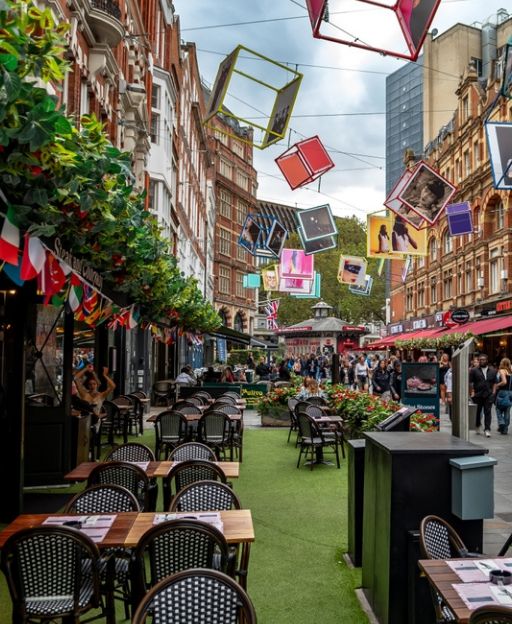
This guide is written for American visitors who want to eat well in London without wasting money on tourist traps. We’ll cover the must-try dishes, the best food markets, where to find a proper afternoon tea, and how to make sense of the bill when you get it.
London’s Classic Dishes You Need to Try
London has a few dishes that are woven into the fabric of the city. They’re not complicated. But when they’re done well, they’re exceptional.
Fish and Chips
This is the one. A thick piece of battered cod or haddock with chunky chips — that’s British for fries — served in paper with salt and vinegar. The best versions come from chippies that have been frying for decades. Rock & Sole Plaice in Covent Garden and The Golden Hind in Marylebone are both excellent. Avoid anything calling itself “premium fish and chips” near the major tourist landmarks — the price goes up and the quality goes down.
The Full English Breakfast
A full English is a meal that requires planning. It includes eggs (fried, scrambled, or poached), back bacon, sausages, baked beans, grilled tomatoes, black pudding, and toast. Many visitors skip the black pudding — it’s a type of blood sausage — but if you’re feeling adventurous, it’s worth trying at least once. Cafés serving a full English are called “caffs” by locals and are usually found away from the main tourist drag. Prices start around £8–£10 for a solid plate.
Pie and Mash
Pie and mash is one of London’s most traditional working-class dishes. It’s a simple meat pie served with mashed potato and liquor — a thin, bright green parsley sauce that looks alarming but tastes mild. London’s oldest fast food has been serving this dish for over 200 years, and a handful of pie and mash shops still operate today, mostly in east and south London. Manze’s in Tower Bridge Road is one of the most authentic.
Chicken Tikka Masala
Chicken tikka masala has a strong claim to being Britain’s national dish. It was developed in the UK by South Asian chefs adapting traditional tandoori recipes to British tastes. The result is a rich, creamy, tomato-based curry that’s mild enough for most palates but packed with flavour. Head to Brick Lane in the East End for a concentrated strip of curry houses, or explore the restaurants around Southall in west London for something more authentic.
What to Eat in London’s Food Markets
London’s food markets are some of the best in the world. They’re open most weekends and offer everything from fresh produce to hot street food from every corner of the globe.
Borough Market, London Bridge
Borough Market is London’s most famous food market and it deserves the reputation. It sits under the railway arches near London Bridge and operates Thursday to Saturday. You’ll find cheese from Neal’s Yard, freshly baked bread, Spanish jamón, oysters, cured meats, and dozens of hot food stalls. Go hungry and graze your way through. There’s a side of Borough Market that most tourists never discover — the traders have been supplying London restaurants for centuries.
Brixton Village
Brixton Village is south London’s answer to a covered market. Rows of independent stalls and small restaurants sit inside a Victorian arcade, offering food from West Africa, the Caribbean, South America, and beyond. It’s loud, colourful, and brilliant. Brixton Village feels like nowhere else in London — and if you’ve only eaten in the centre of the city, it’ll open your eyes to just how diverse London’s food culture really is.
Camden Market
Camden Market in north London runs every day of the week. The food section — centred on the stables area — has stalls selling dishes from dozens of different countries. Japanese gyoza, Ethiopian injera, Venezuelan arepas, Jamaican jerk chicken. It’s chaotic and fun. Come on a weekday if possible, as weekends draw large crowds. Budget around £8–£12 for a solid meal from a stall.
🇬🇧 25 Hidden Gems of London Most Tourists Never Find
From secret riverside walks to hidden Victorian tunnels, centuries-old pubs to rooftop gardens with skyline views — our free guide reveals the London most visitors never discover. Join 3,000+ London lovers who get it free.
Get Your Free London Hidden Gems Guide →Afternoon Tea in London
Afternoon tea is one of London’s great traditions and it’s worth doing properly at least once. The full experience includes finger sandwiches, warm scones with clotted cream and jam, and a selection of small cakes and pastries — all served with pot after pot of tea. It’s a meal, not just a snack. Classic venues include Fortnum & Mason on Piccadilly and the Ritz on Arlington Street, but both require advance booking and charge £60 or more per person.
For something more accessible, afternoon tea in London means far more than just a scone — it’s a ritual with its own etiquette, history, and meaning. Department store cafés like Selfridges and John Lewis offer a solid afternoon tea for less than £30. Bettys in Covent Garden is another reliable option.
Eating Well Without Spending a Fortune
London has a reputation for being expensive and in some parts it is. But eating well on a budget is entirely possible if you know where to look.
Pret a Manger and Leon are two high-street chains worth knowing about. Both offer fresh sandwiches, soups, and hot food at reasonable prices. A Pret sandwich and coffee runs around £6–£8. Leon does hot rice and grain bowls from about £7.
For sit-down meals on a budget, head to the food markets mentioned above, or look for restaurants on side streets rather than main tourist thoroughfares. The further you walk from a major landmark, the better the price-to-quality ratio usually gets.
Lunch menus are also worth watching for. Many London restaurants that charge £30 or more per head in the evening offer a set two-course lunch for £15–£20. Some of the city’s best Indian restaurants do lunchtime buffets for under £15. It’s one of the smartest ways to eat well in London without the evening price tag.
The Best Areas for Food in London
London’s food scene isn’t evenly distributed. Some areas are dense with great options. Others are better avoided unless you know exactly where you’re going. The London neighbourhood guide covers each area in detail, but here’s the food-focused summary.
Soho and Chinatown
Soho is London’s most concentrated restaurant district. Within a few square blocks you’ll find Japanese ramen, Italian trattorias, French bistros, Vietnamese noodle bars, and Cantonese dim sum. Chinatown sits on its eastern edge on Gerrard Street and Newport Place. The restaurants here are excellent value for the quality, particularly the BBQ duck and pork dishes in the windows of the roast meat specialists.
Brick Lane and Shoreditch
Brick Lane is the traditional home of London’s Bangladeshi community and curry houses line the street from end to end. Some have become tourist traps — touts stand outside trying to pull you in. Walk confidently past and look for restaurants where you can see local families eating inside. Shoreditch, just north, has become London’s trendiest food neighbourhood, with everything from craft burger joints to modern Middle Eastern.
South Bank and Bermondsey
The South Bank is a walkable stretch of the Thames between Westminster Bridge and Tower Bridge. Several good food markets operate here, including the Real Food Market near the National Theatre. Bermondsey, just south, has become a destination in its own right with bakeries, craft breweries, and independent restaurants tucked under railway arches.
Notting Hill and Portobello Road
Notting Hill has some of London’s best brunch spots and independent cafés. The stretch of Portobello Road market on a Saturday includes food stalls alongside the famous antiques. It gets very busy in the afternoon, so arrive before 11am if you want to eat and browse without the crowds.
Practical Tips for Eating Out in London
A few things to know before you sit down to eat in London.
Service charge. Many London restaurants add a 12.5% service charge automatically to the bill. You are not legally required to pay it if you’re unhappy with the service, but most visitors pay it without question. If you’re eating at a café or counter-service spot, tipping is not expected.
Tap water. You can ask for tap water at any restaurant and they must provide it for free under UK law. There’s no pressure to order bottled water.
Booking ahead. Central London restaurants, especially on Friday and Saturday evenings, fill up fast. For anywhere you really want to try, book at least a day or two ahead. OpenTable and Resy both work well for London bookings.
Licensing hours. British pubs follow licensing laws and most close at 11pm on weekdays and midnight on Fridays and Saturdays. If you want to eat late, stick to restaurants in Soho, Shoreditch, or the West End, where late-night dining is more common.
Portion sizes. British portions are generally smaller than American ones. If you’re used to US restaurant portion sizes, you may find a single main course leaves you wanting more. Order a starter or a side if you’re hungry.
London’s food scene rewards curiosity. The best meals are rarely on the main drag near the big sights. Walk a few streets in any direction, look for somewhere busy with locals, and you’ll almost always eat better for less.
Join 3,000+ London Lovers
Every weekday morning, get London’s hidden gems, local secrets, and travel inspiration — the kind you won’t find in any guidebook.
Subscribe free — enter your email:
Free forever · Unsubscribe anytime