
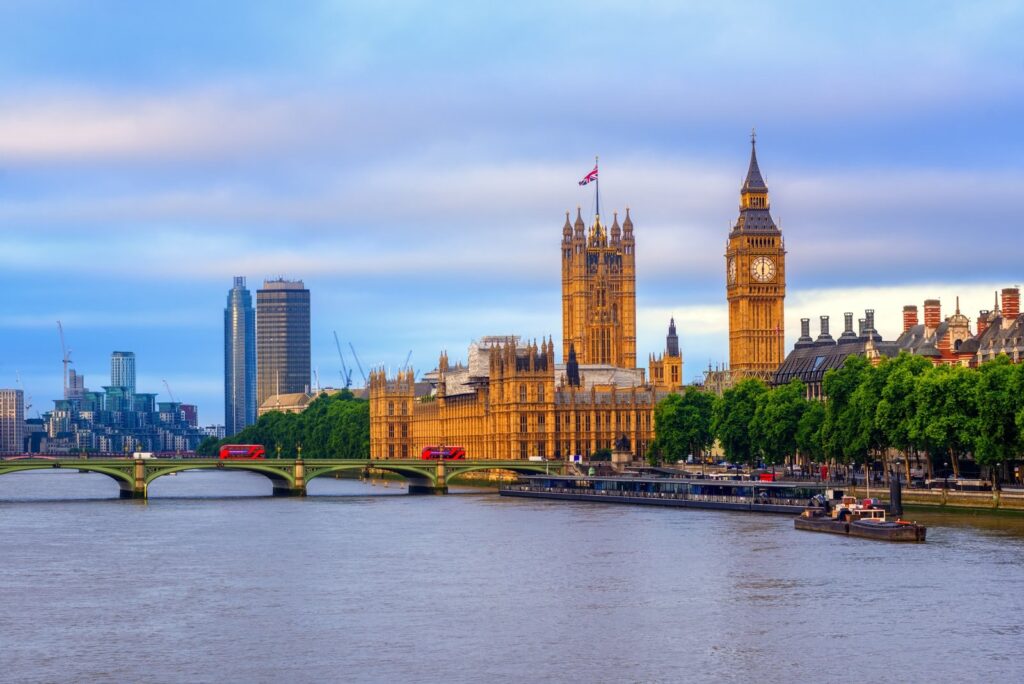
Big Ben, located at the north end of the Palace of Westminster in London, is a world-famous tower clock and one of the most iconic landmarks in Britain. Named after Sir Benjamin Hall, who was responsible for its installation in 1858, Big Ben stands at almost 100 meters tall and has become a symbol of the British nation. Although it is officially known as the Clock Tower, it has become more commonly referred to as Big Ben. Many people also mistakenly refer to the clock itself as Big Ben rather than the tower itself, however this nickname has become so popular that it is now almost exclusively used in place of its proper name. This is why Big Ben is called Big Ben – its informal name has become so closely associated with the landmark that it is now used by many people instead of its official title.
You Might Also Love
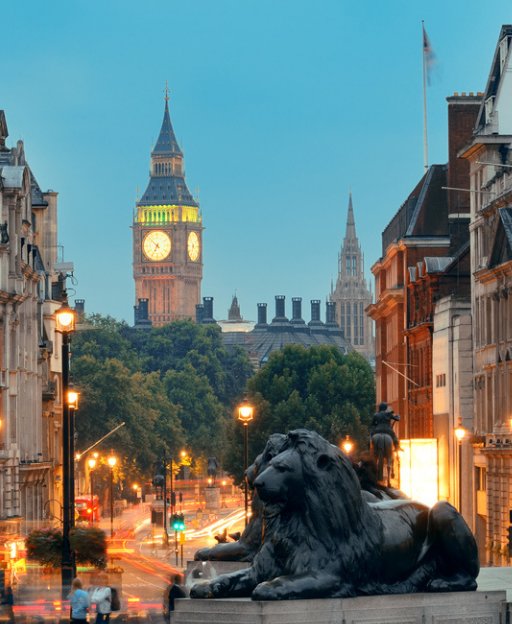
Big Ben’s iconic bell, which can be heard throughout London and even as far away as 20 miles on a clear day, is also the largest four-faced chiming clock in the world. This impressive feat of engineering is what makes Big Ben such a globally recognizable landmark, and its name has become instantly associated with the city of London, the United Kingdom, and even the whole of Britain.
For many people, Big Ben is more than just a clock tower; it’s a symbol of British heritage and national pride. And for this reason, it is perhaps unsurprising that there have been several attempts to rename the Clock Tower in recent years. This includes a proposal to change its name to Elizabeth Tower – an homage to Her Majesty the Queen and her Diamond Jubilee in 2012. The Tower of Big Ben is now known as Elizabeth Tower.
The Origin of the Tower
Elizabeth Tower, more commonly known as Big Ben, is one of the most iconic landmarks in London. It has a rich history that dates back to 1834 when Charles Barry was commissioned to design a new Palace of Westminster after the old palace was destroyed by fire. Barry enlisted the help of Augustus Pugin to design the Clock Tower, which was completed in 1843 and soon became known as Big Ben. The nickname was officially changed to Elizabeth Tower in 2012 in recognition of the Queen’s diamond jubilee. With its history and iconic status, Elizabeth Tower will remain an integral part of London for years to come.
Design
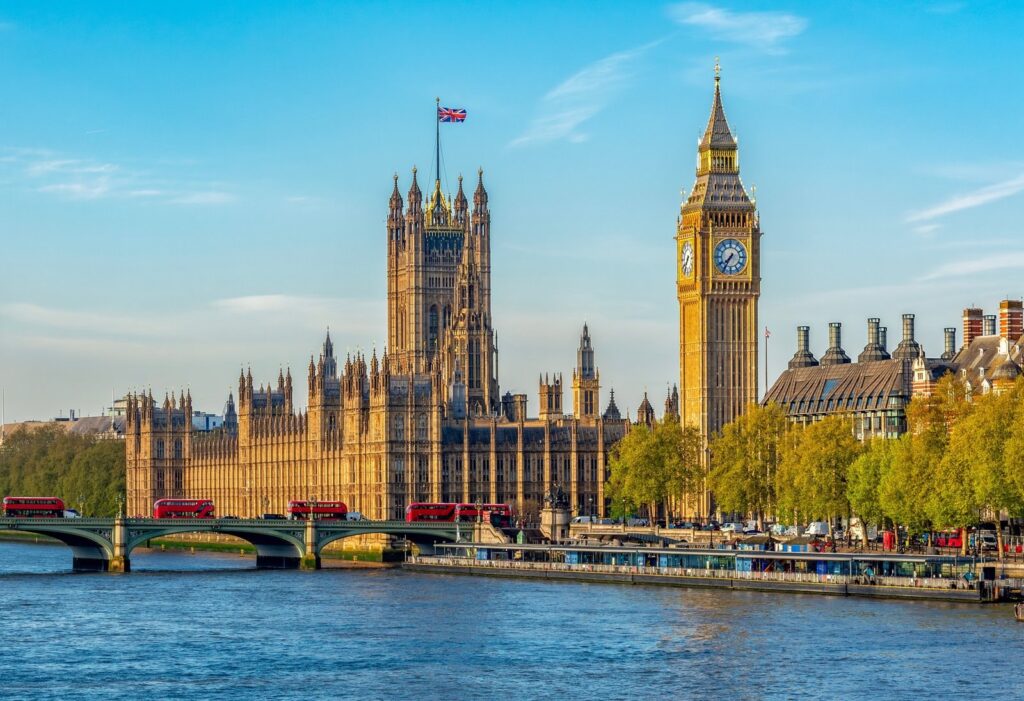
The iconic London skyline is dominated by the famous Big Ben, one of the most recognizable landmarks in all of England. Located at the north end of the Palace of Westminster, Big Ben stands tall at a height of 316 feet (96.3 meters). Designed by architect Augustus Pugin in a Gothic Revival style, it is constructed from South Yorkshire Anston limestone and features intricate decorations on its façade. Inside the tower is a spiral staircase with 290 steps leading to the clock room at the center, followed by 44 additional steps to reach the belfry, and an additional 59 steps leading to the top of the spire. As part of its décor, Big Ben showcases 52 shields depicting the national emblems of the four countries of England, Scotland, Ireland, and Wales. To help stabilize its foundation, thousands of tons of concrete were pumped into the ground beneath Big Ben during construction of the Jubilee line extension in the 1990s. Today it stands as a symbol of London’s rich history and culture.
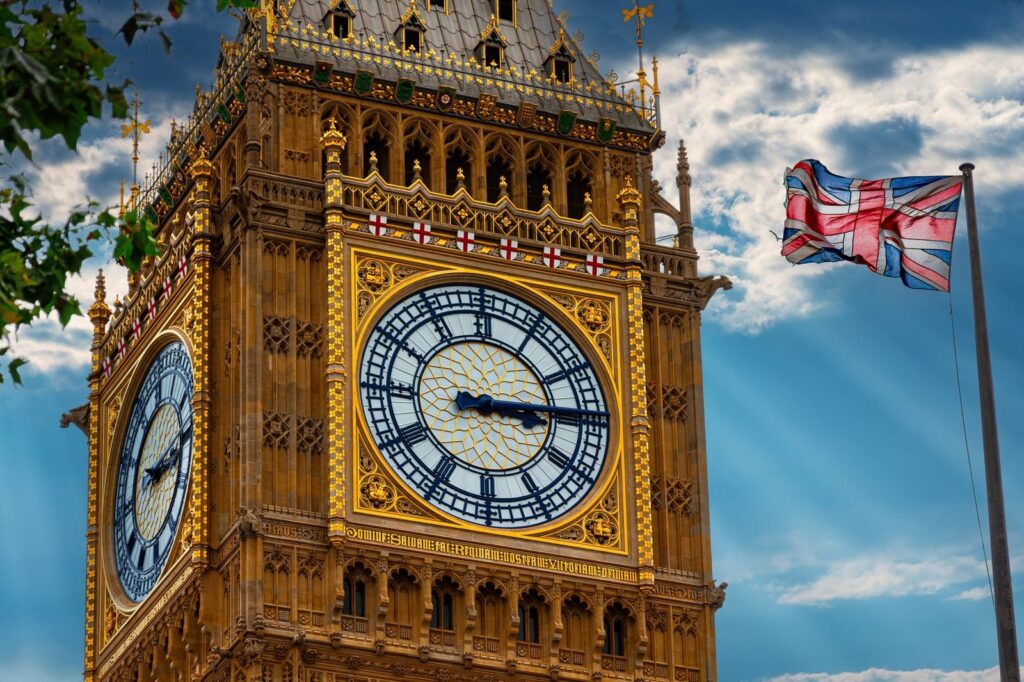
One of the most unique aspects of Big Ben is its expansive clockface, composed of four faces measuring 23 feet (7 meters) in diameter and featuring an intricate design including a 504-piece gear system. The clock was designed by Edmund Beckett Denison, who later became the first Baron Grimthorpe. His design indicates not only hours and minutes, but also seconds. The clock is sometimes referred to as the “Great Clock of Westminster” or simply “Big Ben” and remains one of London’s most beloved icons.
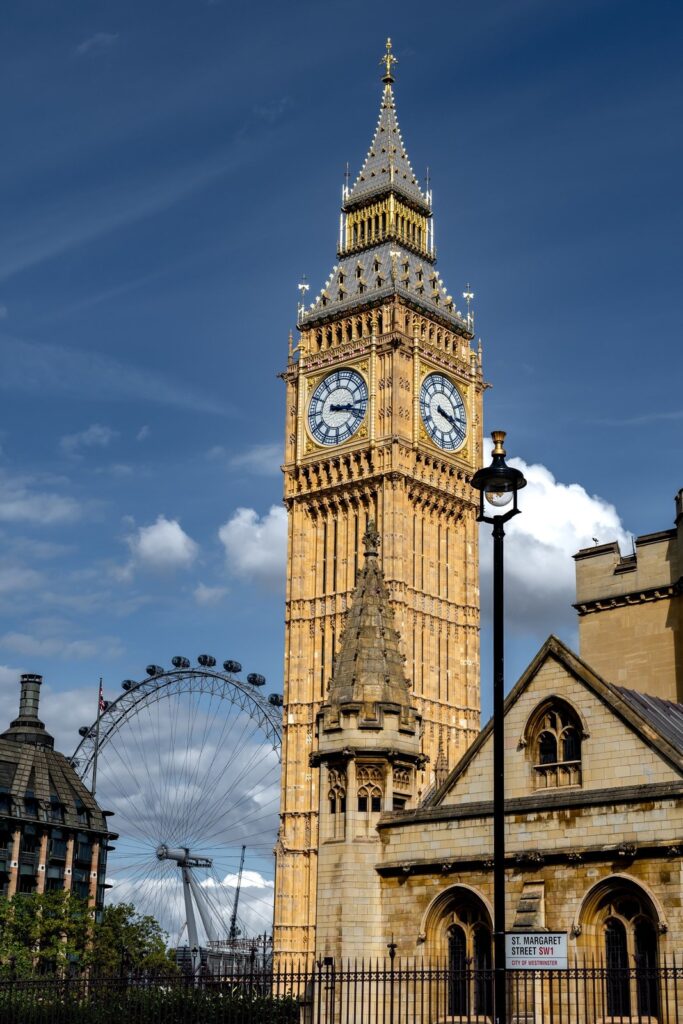
In 2017, Big Ben underwent conservation works that included repairs to its masonry and interior mechanisms along with the installation of a lift in the ventilation shaft. It also received a bright coat of paint to keep it looking its best for years to come. The conservation project is expected to be completed in 2021, allowing the clock tower’s centuries-long history and iconic presence on the London skyline to continue uninterrupted.
For nearly two centuries, Big Ben has been keeping time and providing a point of reference for Londoners. It was first chimed in July 1859, and has since been heard with each new hour from the Houses of Parliament. The clock’s familiar chimes are an iconic part of British history and culture, a sound that has become synonymous with London itself. Big Ben stands as a symbol of resilience and strength, a steadfast reminder of London’s past and its bright future.
Prison Room
The Prison Room inside the tower of the House of Commons is an oak-panelled chamber situated on the first floor, and is only accessible from the House of Commons rather than via a separate entrance. This area was last used in 1880 to imprison Charles Bradlaugh, a Member of Parliament for Northampton who had protested against swearing a religious oath of allegiance to Queen Victoria.
The Serjeant at Arms, a ceremonial official who has had the authority to make arrests since 1415, is still able to use this room if necessary. However, presently it is occupied by the Petitions Committee which oversees petitions submitted to Parliament.
In addition to its historical significance, the Prison Room is a fascinating example of nineteenth-century architecture and design. The walls are panelled in dark oak, and the two windows are decorated with stained glass depicting the emblems of England, Scotland and Ireland. A fireplace carved from Caen stone adorns one corner of the room, while an ornate candelabra hangs from the ceiling.
Private Full Day Walking Tour in London
Explore London in style and comfort with a private full day walking tour. Enjoy the freedom to customize your route and visit all the must-see attractions such as Buckingham Palace, St Paul’s Cathedral, Westminster Abbey and more. See these iconic sites from the convenience of your own chauffeur-driven vehicle, eliminating the need to walk long distances.
Your chauffeur-driven car will pick you up from your centrally located hotel, allowing you to make the most of your sightseeing experience. With pickup and drop off services included in your tour package, all you have to do is sit back and relax as your chauffeur takes you around the city.
No matter what your interests, you will be able to customize your route and visit the attractions that interest you most. With a private full day walking tour in London, you can explore at your own pace and make sure you get the best out of your sightseeing experience.
25 London places most visitors miss
Riverside walks, City courtyards, centuries-old pubs and rooftop gardens, each with a map link, in one free printable guide. Enter your email and we will send it.