
Chelsea is one of London’s most rewarding neighbourhoods to explore. This Chelsea London guide covers everything US visitors need to know — from what to see and where to eat, to how to get there and when to visit. Whether you are planning a first trip to London or looking to move beyond the tourist trail, Chelsea delivers something most guidebooks miss: a genuine sense of place.
It is elegant, green, and full of history that stretches back centuries. The streets are calm, the architecture is beautiful, and the combination of free world-class art, ancient botanical gardens, and one of London’s most famous shopping streets makes it a neighbourhood you can spend an entire day in without rushing.
What Makes Chelsea Worth a Visit
Chelsea sits on the north bank of the Thames, just west of Westminster. It is a borough of contrasts — world-famous flower shows, an ancient botanical garden, free contemporary art, and one of the most iconic shopping streets in Britain all sit within walking distance of each other.
Unlike the busier parts of central London, Chelsea feels genuinely residential. The streets are lined with Victorian terraces, Georgian townhouses, and warm red-brick mansion blocks. It is the kind of place you walk through slowly because there is always something to look at.
The neighbourhood also has a long creative history. Thomas More, J.M.W. Turner, Oscar Wilde, and Mick Jagger all have Chelsea connections. Artists and writers have lived here for centuries, and that sense of quiet cultural energy still lingers in the streets and gardens today.
Getting to Chelsea from Central London
Chelsea is easy to reach from almost anywhere in central London. The main entry point is Sloane Square Underground station, which sits on the Circle and District lines. Trains run frequently from Victoria, Westminster, Embankment, and Notting Hill Gate.
South Kensington station is another good option if you are combining Chelsea with the great museum quarter nearby. From there, it is a ten-minute walk south through leafy residential streets to reach the Chelsea Physic Garden and King’s Road.
Buses also serve Chelsea well, particularly along King’s Road and the Embankment. If the weather is good, walking along the Thames path from Vauxhall or Victoria is one of the most enjoyable ways to arrive — you come in along the river with views of the bridges ahead of you.
The Best Things to Do in Chelsea
Chelsea packs a lot into a relatively small area. Here are the highlights worth building your visit around.
Chelsea Physic Garden
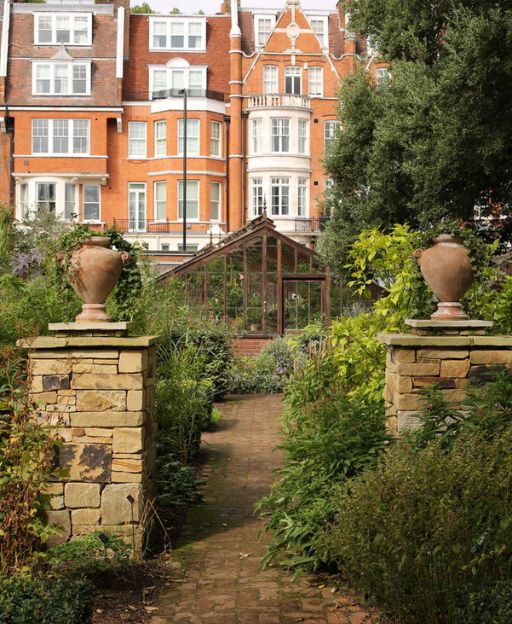
The Chelsea Physic Garden is one of London’s most peaceful and underrated attractions. Founded in 1673 by the Society of Apothecaries, it is the second oldest botanical garden in Britain. Physicians originally grew medicinal plants here to train their apprentices in identifying and using them.
Today the garden covers about four acres and contains more than five thousand plant species. You will find rare tropical plants in the glasshouses, beds of herbs and medicinal plants, and endangered species from around the world. The walled enclosure gives it a secret-garden quality that few visitors expect.
The garden is open from April to October, Tuesday to Sunday. Entry costs around £16 for adults, with free admission for children under five. It sits on Royal Hospital Road, five minutes walk from Sloane Square station.
Saatchi Gallery
The Saatchi Gallery is one of the best free art experiences in London. It occupies a grand Victorian building on Duke of York’s Headquarters, just off King’s Road, and hosts rotating contemporary art exhibitions throughout the year.
The building itself is worth the visit. It is a converted former military barracks, and the light-filled, high-ceilinged rooms make an excellent backdrop for the bold, thought-provoking works on display. Check the website before you go to see which exhibitions are running during your trip.
Entry is free, and the gallery opens daily from 10am to 6pm. Plan for at least an hour to explore properly.
King’s Road
King’s Road is one of London’s most famous streets. It runs for roughly a mile from Sloane Square westward through Chelsea. In the 1960s and 1970s, it was the centre of London’s fashion revolution. Boutiques like Bazaar helped define the look of a generation, and designers including Mary Quant and Vivienne Westwood built their reputations here.
Today the road has a mix of independent boutiques, well-known high-street names, and interior design showrooms. It is better for browsing than bargain-hunting, but the atmosphere is lively and the architecture is beautiful.
Duke of York Square, just off King’s Road, hosts a popular Saturday farmers’ market from 10am to 4pm. It is an excellent place to pick up fresh produce, artisan bread, and street food if you are in the area at the weekend.
Royal Hospital Chelsea
The Royal Hospital Chelsea is the home of the Chelsea Pensioners — retired British Army veterans who live here in their distinctive scarlet uniforms. King Charles II founded the hospital in 1682. Sir Christopher Wren designed much of the original building.
The public areas of the hospital grounds are free to visit. The Chapel and Great Hall are open to visitors on weekdays, and the gardens and riverside walk are lovely in any season. Every May, the Chelsea Flower Show takes place on the hospital grounds — one of the world’s most famous horticultural events, drawing visitors from across the globe.
Cheyne Walk and the Chelsea Embankment
Cheyne Walk runs along the north bank of the Thames between Battersea Bridge and Chelsea Bridge. It is one of the most beautiful residential streets in London — lined with Georgian and Queen Anne terraces, with the river visible through tall plane trees.
George Eliot, Dante Gabriel Rossetti, Henry James, and Bram Stoker all lived here at various points. The English Heritage blue plaques on the houses make for a rewarding walk. Early mornings, when the light sits low over the Thames, are particularly memorable.
Chelsea Old Church
Chelsea Old Church — also known as All Saints — is one of London’s oldest surviving parish churches. Parts of the building date from the 12th century. Sir Thomas More, who lived in Chelsea and later served as Lord Chancellor of England under Henry VIII, built a private chapel here in 1528. It still stands today.
The church sustained heavy damage during the Blitz but has been carefully restored. Look for the monument to Thomas More installed after his beatification in 1886. The quiet churchyard beside the building is worth a few minutes of your time.
Where to Eat and Drink in Chelsea
Chelsea has a wide range of restaurants and cafes, from casual neighbourhood spots to well-known destination dining. Here are a few options worth knowing about.
Bluebird on King’s Road is a Chelsea institution. It occupies a striking 1920s garage building and serves modern European food in a large, airy space. The terrace fills up quickly on warm days, so arrive early if you want a spot outside.
The Botanist on Sloane Square serves cocktails and simple food in a stylish botanical-themed setting. It is an excellent spot for lunch or a pre-dinner drink after a walk along the Embankment.
Partridges on Duke of York Square is a quality deli and food shop. It is one of the best places in Chelsea to pick up British food souvenirs or a quick and excellent lunch. The Saturday farmers’ market next door adds fresh produce and street food stalls to the mix from 10am to 4pm.
For a more peaceful option, the cafe inside the Chelsea Physic Garden serves light lunches and afternoon tea in summer. You need a garden entry ticket to access it, but it is a genuinely tranquil place to stop if you are already visiting the garden.
Your Chelsea London Visitor Guide: Planning Tips
Chelsea rewards a half-day at minimum. A full day lets you combine the Physic Garden, Saatchi Gallery, King’s Road, and a walk along Cheyne Walk and the Embankment without feeling rushed.
The neighbourhood pairs naturally with South Kensington. The Victoria and Albert Museum, the Natural History Museum, and the Science Museum are all ten to fifteen minutes walk from Sloane Square. Our South Kensington guide covers those museums in full detail. Combining both areas makes an excellent full day out in west London.
If you want guidance on when to visit London overall, our month-by-month guide to the best time to visit London breaks down the pros and cons of each season. Chelsea is pleasant year-round, but May is particularly special if you want to catch the Chelsea Flower Show. Book tickets well in advance, as they sell out months ahead.
Chelsea works well as part of a wider exploration of west London. Our guide to London’s best neighbourhoods gives an overview of how all the main areas connect. Notting Hill is about twenty minutes west by tube. The South Bank is reachable on foot by crossing Albert Bridge or Chelsea Bridge into Battersea and walking east.
A few practical points worth knowing before you go:
- Transport card: Get an Oyster card or use contactless on your bank card — both work on the tube and buses. Tap in and tap out on every journey to pay the correct fare.
- Prices: Chelsea is one of London’s pricier neighbourhoods for food and drink. Budget around £12-22 per person for a casual lunch. The Saatchi Gallery, Royal Hospital grounds, and National Army Museum are all free.
- Walking: Chelsea is compact and mostly flat. You can walk between most of the main sights in under fifteen minutes.
- Currency: London uses British pounds (GBP). Cards are accepted almost everywhere, including on the Underground. Very few places in Chelsea still prefer cash.
- Chelsea Flower Show: If you plan to visit in May, book Royal Horticultural Society tickets at least three months in advance. Demand is very high and popular session days sell out fast.
Chelsea also connects well with London’s best free museums. The Saatchi Gallery is free, the National Army Museum on Royal Hospital Road is free, and the Royal Hospital grounds are free. You can spend the better part of a day here without paying a penny on entry fees.
Frequently Asked Questions About Chelsea London
Is Chelsea worth visiting in London?
Yes, Chelsea is absolutely worth visiting. It offers free world-class art at the Saatchi Gallery, the historic Chelsea Physic Garden, beautiful Thames-side walks along Cheyne Walk, and the famous King’s Road. The neighbourhood feels calmer and more residential than central London, which makes it a refreshing contrast to the busier tourist areas around Westminster and the South Bank.
How do I get to Chelsea from central London?
The easiest route is the Underground. Take the Circle or District line to Sloane Square station, which sits at the eastern end of King’s Road. From Victoria it is two stops. From Westminster or Embankment it is three to four stops. South Kensington station is also nearby if you are arriving from the museum quarter to the north.
What is Chelsea best known for?
Chelsea is best known for the Chelsea Flower Show, held at the Royal Hospital Chelsea every May, and for King’s Road, the famous shopping street that helped define British fashion in the 1960s and 1970s. The neighbourhood is also known for the Chelsea Physic Garden, founded in 1673, and the Saatchi Gallery, one of London’s best free contemporary art spaces.
How long should I spend in Chelsea?
Allow at least half a day for Chelsea if you want to visit the Chelsea Physic Garden, walk King’s Road, and see the Saatchi Gallery. A full day gives you time to walk along Cheyne Walk and the Embankment, visit Chelsea Old Church and the Royal Hospital grounds, and stop for lunch. Chelsea pairs well with South Kensington for a comfortable full day in west London.
Join 3,000+ London Lovers
Every week, get London’s hidden gems, local secrets, and travel inspiration — the kind you won’t find in any guidebook.
Subscribe free — enter your email:
Love more? Join 64,000 Ireland lovers → · Join 43,000 Scotland lovers → · Join 30,000 Italy lovers →
Free forever · One email per week · Unsubscribe anytime
