
London in Winter: The Complete Guide for US Visitors (2026)
London in winter is one of Europe’s great underrated travel experiences. From late November through February, the city transforms. Crowds thin out, prices drop, and the atmosphere shifts into something far more local and genuine. If you’ve only seen London in summer, you’re missing a different city entirely.
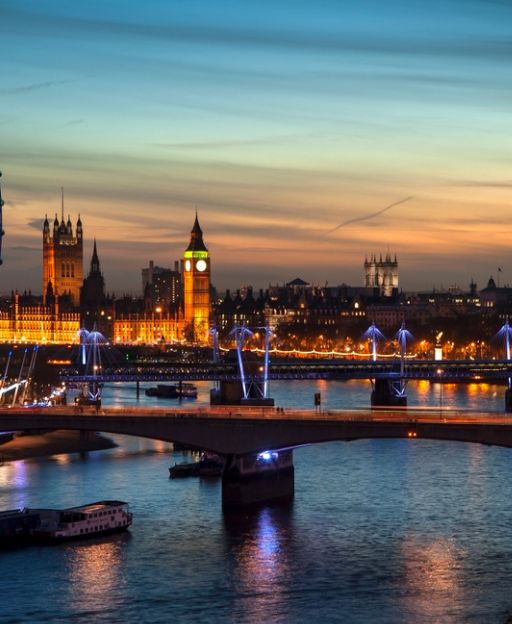
London in winter means festive markets at Southbank, ice skating at Somerset House, and world-class museums with barely a queue. Yes, it rains. Yes, it gets dark early. But with the right preparation, a London winter trip can be cheaper, calmer, and more memorable than peak summer.
What London Winter Weather Is Really Like
December, January, and February are London’s coldest months. Temperatures typically sit between 3°C and 9°C (37°F to 48°F). That’s chilly, but not brutal — especially compared to much of the US. Boston and Chicago get far colder. Most of the Midwest is another world entirely.
What catches US visitors off guard is the damp. London doesn’t get heavy snow, but it drizzles often. Light rain, grey skies, and short days are the norm. The sun sets before 4pm in December. By February, it stretches to around 5:30pm.
What to pack: a waterproof outer layer is essential. Add a good fleece or mid-layer, warm socks, and waterproof shoes or boots. London is a walking city, and wet feet will ruin your day faster than cold air. A compact umbrella fits easily in a day bag.
The upside? London’s indoor culture is exceptional. Galleries, museums, pubs, and cafes form the backbone of this city in winter. You’ll spend time in places you’d walk past in summer heat.
Why Winter Is a Smart Time to Visit London
Lower Prices Across the Board
Winter is London’s low season (outside the week before Christmas). Flights from the US cost significantly less than summer. Hotel rates in central areas like Westminster, Covent Garden, and Bloomsbury can drop by 30–50%. Even the popular mid-range chains near the South Bank or Borough Market run genuine deals in January and February.
The exception is the Christmas period — roughly 20 December to 3 January. If you visit then, expect summer-level prices. Book early or budget accordingly.
Far Fewer Crowds
The major attractions are noticeably quieter. The British Museum, the National Gallery, the Tate Modern — these are genuinely relaxed in January and February. You can stand in front of Turner’s paintings or wander through the Elgin Marbles without tour groups pressing in around you.
Even popular areas like Covent Garden and Camden are more manageable. The street markets still run. The buskers still play. But the density of tourists drops sharply after New Year.
The Best Things to Do in London in Winter
Christmas Markets and Festive Experiences (December)
December is London’s most visually spectacular month. The city puts serious effort into its festive displays. Oxford Street and Regent Street glow with elaborate light installations. Borough Market runs its own Christmas market with mulled wine, artisan food, and gift stalls. Hyde Park’s Winter Wonderland sprawls across 46 acres — part funfair, part German market, part ice rink.
The Southbank Christmas Market runs along the Thames from November into January. It’s one of the better ones: a proper collection of wooden chalets selling handmade goods, street food, and drinks, with the river behind you and the London Eye lit up across the water.
Ice skating is genuinely fun in London. Somerset House, the Natural History Museum in Kensington, and Hampton Court Palace all run seasonal rinks. They book up fast — especially weekends — so reserve ahead.
World-Class Museums, Free and Uncrowded
London’s free museums are among the best in the world, and winter is the ideal time to visit them without crowds. The British Museum in Bloomsbury is where you start. The Rosetta Stone, the Lewis Chessmen, the Sutton Hoo helmet — these are genuine originals, free to view.
The Victoria and Albert Museum in Kensington is another winter gem. Its café alone is worth visiting — one of London’s most beautiful rooms. Nearby, the Natural History Museum has the blue whale skeleton and a rotating programme of temporary exhibitions.
The Tate Modern on the South Bank is free for the permanent collection and runs major winter exhibitions. A January afternoon there — river view from the top-floor café included — costs nothing beyond your refreshments.
Theatre, Concerts, and Indoor Culture
London’s theatre scene is at its strongest in winter. The West End runs year-round, but post-Christmas brings a wave of new productions and genuine deals. If you’re flexible on shows, last-minute tickets from the TKTS booth on Leicester Square can save you 40–50% off face value.
The Barbican in the City of London programmes some of its most ambitious work between December and March. The Royal Opera House in Covent Garden has its main season running from autumn through spring. Classical music lovers should check the Wigmore Hall in Marylebone — one of the finest chamber music venues in the world, with tickets from £15.
Pub culture becomes central to London life in winter. A proper London pub on a cold evening — real ale, a Sunday roast, a coal-effect fire — is one of the city’s genuine pleasures. Head to Soho, Bloomsbury, or Notting Hill for some of the best traditional options.
London Neighbourhoods Worth Visiting in Winter
Westminster and St James’s
Westminster anchors any London winter trip. The Houses of Parliament, Westminster Bridge, Westminster Abbey — visit these on a crisp clear day when the light cuts sharp and the tourist density drops. Book Westminster Abbey in advance, especially for December when carol services fill the schedule.
St James’s Park is surprisingly lovely in winter. Ducks and pelicans on the lake, frost on the grass, Buckingham Palace at one end. It’s a short walk between Westminster and Green Park, and it costs nothing.
Shoreditch and the East End
Shoreditch buzzes year-round, but winter gives the neighbourhood a different, more intimate energy. The independent coffee shops, street art trails, and vintage markets work well in the cold. Shoreditch is also home to some of London’s best restaurant openings — new places tend to launch in autumn and settle into their stride by winter.
Columbia Road Flower Market runs every Sunday morning. In winter, the stalls sell seasonal cut flowers and festive wreaths. It opens around 8am and closes by 2pm — arrive early to avoid the worst of the crowd and pick up something unusual to take home.
Greenwich
Greenwich draws fewer visitors in winter, which makes the whole area more enjoyable. The Cutty Sark, the Royal Observatory, the National Maritime Museum — all worth your time, and the hilltop park offers one of the finest views of the City of London skyline. Take the DLR from Bank or the Jubilee Line to Canary Wharf and walk over.
London Winter Budget: What to Expect
London is an expensive city, but winter offsets some of that. Here’s a realistic breakdown for US visitors in January or February:
Flights: Return from major US cities in January–February typically runs £400–£700 / $500–$900 depending on departure city and how far in advance you book. January typically ranks as the cheapest month for transatlantic travel.
Hotel: A solid 3-star hotel in a central area like Bloomsbury or South Bank runs £100–£160 per night in January. That’s noticeably cheaper than the same rooms in July or August.
Food and transport: Budget £40–£60 per day for food (mixing supermarket lunches with one sit-down dinner), and £5–£10 for transport using an Oyster card or contactless. London’s Underground runs efficiently and covers every major area.
Attractions: Many of London’s best attractions are free. A well-planned winter itinerary can easily fill three or four days with zero entry fees.
🗺️ Free Guide: The Best Day Trips from London (2026)
Top day trips by train, by car, and hidden gems most visitors never find — with travel times, insider tips, and the best time to visit each. Free when you subscribe to Love London.
Get the Free Day Trips Guide → Subscribe free at the guide page to receive weekly London travel storiesGetting Around London in Winter
London’s public transport runs reliably year-round. The Underground (the Tube) is your main tool. An Oyster card or any contactless bank card caps your daily spend automatically — far cheaper than buying individual tickets. Pick one up at any Underground station on arrival.
Walking is still the best way to connect nearby areas. Westminster to South Bank is a 10-minute walk across Westminster Bridge. Covent Garden to Soho is five minutes. In winter, wrap up and embrace it — London’s streets connect naturally, and walking reveals things maps never show.
Black cabs and Uber both operate city-wide. Cabs are expensive but excellent for late nights or airport runs when you’re carrying luggage. For the airport, the Elizabeth line from Heathrow straight into central London is easy, fast, and around £12 single.
Day Trips from London in Winter
Winter is actually a good time for day trips because the destinations are quieter and the light has a different quality. The main UK train network runs year-round.
Bath: A day trip to Bath takes 1h 30m by train from Paddington. The Roman Baths, the Royal Crescent, and the independent shops in the city centre all work well in winter. The Bath Christmas Market (late November to mid-December) is one of England’s best.
Oxford: The university city transforms in winter. Fog drifts over the spires, the Bodleian Library sits warm and vaulted, the covered market buzzes with locals. Take the train from Paddington (around 1 hour). An Oxford day trip from London ranks among the easiest and most rewarding you’ll make.
Canterbury: Seventy minutes by high-speed train from St Pancras. The cathedral is one of England’s finest Gothic buildings, and the medieval streets are genuinely atmospheric on a cold December or January day.
Frequently Asked Questions
Is London worth visiting in winter?
London in winter is absolutely worth visiting. Crowd numbers drop, prices fall, and the city’s world-class indoor attractions — museums, theatres, galleries, and pubs — shine brightest when the weather pushes you inside. Winter is one of the best times to experience London like a local.
What should I pack for London in winter?
Pack a waterproof outer layer, a warm mid-layer fleece or jumper, waterproof shoes or boots, and a compact umbrella. London in winter sits around 3–9°C (37–48°F) and is frequently damp. Layering is more useful than a single very heavy coat, as you’ll move between cold streets and warm interiors throughout the day.
What is the cheapest month to visit London?
January and February are typically the cheapest months to visit London. After the Christmas peak drops away, flight prices and hotel rates fall significantly. You’ll find the best combination of low prices and manageable weather in early-to-mid February — days are getting longer, and temperatures are similar to December but without the holiday surcharges.
Does it snow in London in winter?
Snow in London is possible but rare. When it does fall, it’s usually light and doesn’t last more than a day or two before turning to slush. London winters run to grey skies, drizzle, and cool temperatures — not proper snowfall. Don’t plan around snow — though a light dusting in January or February happens once or twice a decade.
Join 3,000+ London Lovers
Every week, get London’s hidden gems, local secrets, and travel inspiration — the kind you won’t find in any guidebook.
Subscribe free — enter your email:
Love more? Join 64,000 Ireland lovers → · Join 43,000 Scotland lovers → · Join 30,000 Italy lovers →
Free forever · One email per week · Unsubscribe anytime
Plan Your London Winter Trip
London in winter rewards visitors who come prepared. Understand the weather, use the free museums, book the theatre, and embrace pub culture. You’ll spend less than summer, see more, and share the city with fewer crowds.
If you want a full itinerary to follow, the 7-day London itinerary on this site works well in any season — just swap the outdoor afternoon activities for the indoor options above. For a shorter trip, the 5-day London itinerary gives you a focused programme that handles the winter calendar perfectly.
December brings festivity and festive markets. January brings the best hotel deals of the year. February brings longer days, lower prices, and a city settling back into its own rhythm. All three months have something real to offer.
