
London Travel Tips for Americans: Everything You Need to Know Before You Go
Planning a trip to London from the US involves more than booking flights and a hotel. London travel tips for Americans cover everything from surviving the left-side traffic to understanding the Tube, tipping etiquette, and getting the most from your pound. This guide gives you the honest, practical advice that most visitors wish they had before they landed at Heathrow. Whether it is your first visit or your fifth, there is always something about London that catches Americans off guard — and a little preparation goes a long way.
Before You Leave the US
Sort Your Money Before You Fly
London uses the British pound (£), not the euro. This surprises many Americans. The best exchange rates come from using your debit card at a UK cash machine (ATM) once you arrive. Avoid airport currency exchanges — the rates are poor and the fees are high.
Tell your bank before you travel. A quick call or app notification stops your bank from flagging the card for suspicious overseas activity. Most UK card readers are chip-and-PIN, but contactless payment (tap to pay) works on nearly everything in London — from the Tube to market stalls. Bring two cards from two different banks, just in case your bank freezes one or you lose it.
Plug Adapters and Voltage
The UK uses Type G plugs with three rectangular pins. Buy a UK adapter before you go — they cost £2–5 at UK pound shops once you land, but it is handy to have one in your bag at the airport. Most modern electronics (laptops, phone chargers, cameras) handle dual voltage (110–240V), so you typically only need an adapter, not a converter. Check the small print on your charger to be sure.
What to Pack for London Weather
London weather is famously unpredictable. Even in summer, a light rain jacket is essential. The city rarely gets extreme heat, but winters are grey and damp rather than bitterly cold. Layer up and bring waterproof shoes you can walk in all day. London requires a lot of walking — comfortable footwear is non-negotiable.
Getting Around London
The Tube: Your Best Friend in London
The London Underground — the Tube — is the fastest way to get around the city. It covers nearly every neighbourhood you will want to visit. The easiest way to pay is with a contactless bank card or Apple/Google Pay. Tap in, tap out, and Transport for London (TfL) automatically caps your daily and weekly spending. You do not need an Oyster card unless you prefer it — a contactless card does exactly the same job.
Avoid the Tube at rush hour if possible (07:30–09:30 and 17:00–19:00). The Central and Northern lines get extremely crowded. For a full breakdown of routes, fares, and which zones cover the main attractions, read our complete guide to getting around London.
Black Cabs and Rideshares
London’s black cab drivers hold a licence and pass the Knowledge — a gruelling test covering every street in the city. A meter runs every journey. They are reliable but expensive. Uber and Bolt both operate in London and are usually cheaper. For short trips in central London, walking is often faster than any vehicle once you factor in traffic.
The Bus: Slower but Brilliant
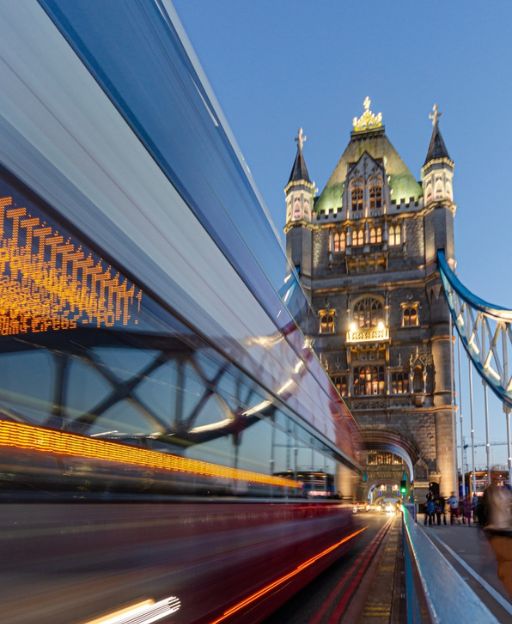
The iconic red double-decker bus is more than a photo opportunity. It is a genuine, affordable way to travel — and you get to see the city at street level. Pay by tapping your contactless card at the reader on the bus. Cash is not accepted on London buses. Grab a window seat on the upper deck of a Route 11 or Route 15 bus and you get a free tour past some of London’s finest landmarks.
Understanding British Culture and Etiquette
Queuing Is Sacred
British people take queuing (what Americans call lining up) very seriously. Push to the front of a queue and you will get looks that could wither stone. Always join the back of the line, whether at a bus stop, a tourist attraction, or a coffee shop. This rule applies everywhere.
Tipping in London
Tipping in London is nothing like the US. In restaurants, 10–12.5% is standard — and many add a service charge automatically, so check your bill before adding more. You do not tip in pubs when ordering drinks at the bar. For taxis, rounding up to the nearest pound is fine. Hotel porters and housekeeping staff appreciate a tip, but nobody expects one. London pays its hospitality staff a proper wage, so you will feel far less pressure to tip than in America.
Pub Culture 101
The British pub is a social institution unlike anything in the US. You order drinks at the bar — there is no table service in most pubs. Say “please” when ordering and “cheers” as a thank you. The bar serves ale, bitter, and stout at cellar temperature — slightly cool, not ice-cold. Do not ask for “a beer” — specify your drink. A half-pint is perfectly acceptable to order. Pubs are welcoming places, and locals are usually happy to chat if you show genuine interest.
Money-Saving Tips for London
Free Museums and Galleries
London has some of the best museums in the world, and most of them are free. The British Museum, the Natural History Museum, the Victoria and Albert Museum, the National Gallery, and Tate Modern all charge nothing for general entry. This is extraordinary value. Temporary exhibitions sometimes have a fee, but the permanent collections are yours to explore without spending a penny.
For the full list of what is on offer, see our London museums guide for US visitors.
Where to Eat Without Overspending
London’s food scene is excellent, but central London restaurants are expensive. Save money by eating where locals eat: Pret A Manger and Leon for fast-casual lunch, food markets like Borough Market for artisan bites, and neighbourhood restaurants a few stops from the centre for proper sit-down meals at sensible prices. The Shard and other tourist-adjacent restaurants charge a premium for the location rather than the food.
The London Pass and Attraction Deals
If you plan to visit several paid attractions — Tower of London, Hampton Court, Kew Gardens — a London Pass can save money, but do the maths first. Add up the entry costs for everything you genuinely intend to visit and compare. Many visitors find that a mix of free museums and one or two paid highlights works out cheaper. Book paid attractions in advance online to avoid queues and get slightly lower prices.
London Neighbourhoods Worth Knowing
Where to Stay as an American Visitor
Where you stay in London shapes your entire experience. Central areas like Covent Garden, South Bank, and Marylebone put you walking distance from major sights but cost more. Areas like Shoreditch, Brixton, or Hammersmith offer excellent Tube connections at lower prices. Read our guide to the best areas to stay in London before booking — it covers each neighbourhood’s character, Tube access, and price range in detail.
What should I absolutely not miss on a first trip to London?
Walk across Tower Bridge. Stand on the South Bank at dusk and look back at the city skyline. Visit at least one free museum — the Natural History Museum or the British Museum will genuinely astonish you. Take a walk through a neighbourhood rather than only seeing tourist landmarks: Notting Hill, Borough Market, and Bermondsey all show you a different side of the city. And visit at least one proper London pub — order whatever is on tap and talk to whoever is sitting next to you.
Join 3,000+ London Lovers
Every week, get London’s hidden gems, local secrets, and travel inspiration — the kind you won’t find in any guidebook.
Subscribe free — enter your email:
Love more? Join 64,000 Ireland lovers → · Join 43,000 Scotland lovers → · Join 30,000 Italy lovers →
Free forever · One email per week · Unsubscribe anytime
When is the best time of year for Americans to visit London?
Late spring (May–June) and early autumn (September–October) are ideal. The weather is mild, the days are long, and the summer crowds have not yet peaked or have just thinned. July and August are busy and more expensive, but London is vibrant and full of events. Winter visits offer lower prices, beautiful festive decorations, and far shorter queues at museums — but bring a warm coat and expect early sunsets.
What should I absolutely not miss on a first trip to London?
Walk across Tower Bridge. Stand on the South Bank at dusk and look back at the city skyline. Visit at least one free museum — the Natural History Museum or the British Museum will genuinely astonish you. Take a walk through a neighbourhood rather than only seeing tourist landmarks: Notting Hill, Borough Market, and Bermondsey all show you a different side of the city. And visit at least one proper London pub — order whatever is on tap and talk to whoever is sitting next to you.
Join 3,000+ London Lovers
Every week, get London’s hidden gems, local secrets, and travel inspiration — the kind you won’t find in any guidebook.
Subscribe free — enter your email:
Love more? Join 64,000 Ireland lovers → · Join 43,000 Scotland lovers → · Join 30,000 Italy lovers →
Free forever · One email per week · Unsubscribe anytime
How different is British English from American English?
The vocabulary differences are more numerous than most Americans expect, but communication is never a real problem. Locals appreciate when visitors try to use British terms rather than insisting on American ones. The humour is drier and more understated — if a Londoner says “not bad” about something, they probably mean it was excellent. A willingness to laugh at yourself goes a long way.
When is the best time of year for Americans to visit London?
Late spring (May–June) and early autumn (September–October) are ideal. The weather is mild, the days are long, and the summer crowds have not yet peaked or have just thinned. July and August are busy and more expensive, but London is vibrant and full of events. Winter visits offer lower prices, beautiful festive decorations, and far shorter queues at museums — but bring a warm coat and expect early sunsets.
What should I absolutely not miss on a first trip to London?
Walk across Tower Bridge. Stand on the South Bank at dusk and look back at the city skyline. Visit at least one free museum — the Natural History Museum or the British Museum will genuinely astonish you. Take a walk through a neighbourhood rather than only seeing tourist landmarks: Notting Hill, Borough Market, and Bermondsey all show you a different side of the city. And visit at least one proper London pub — order whatever is on tap and talk to whoever is sitting next to you.
Join 3,000+ London Lovers
Every week, get London’s hidden gems, local secrets, and travel inspiration — the kind you won’t find in any guidebook.
Subscribe free — enter your email:
Love more? Join 64,000 Ireland lovers → · Join 43,000 Scotland lovers → · Join 30,000 Italy lovers →
Free forever · One email per week · Unsubscribe anytime
Is London safe for American tourists?
London is a safe city for tourists. Like any major city, it has areas that are busier and areas worth being more alert in after dark. Pickpocketing is the main risk on the Tube and at crowded tourist spots — keep your phone in your pocket rather than in your hand in busy areas. Central London tourist zones are well-lit and heavily used at all hours. Common sense awareness is all you need.
How different is British English from American English?
The vocabulary differences are more numerous than most Americans expect, but communication is never a real problem. Locals appreciate when visitors try to use British terms rather than insisting on American ones. The humour is drier and more understated — if a Londoner says “not bad” about something, they probably mean it was excellent. A willingness to laugh at yourself goes a long way.
When is the best time of year for Americans to visit London?
Late spring (May–June) and early autumn (September–October) are ideal. The weather is mild, the days are long, and the summer crowds have not yet peaked or have just thinned. July and August are busy and more expensive, but London is vibrant and full of events. Winter visits offer lower prices, beautiful festive decorations, and far shorter queues at museums — but bring a warm coat and expect early sunsets.
What should I absolutely not miss on a first trip to London?
Walk across Tower Bridge. Stand on the South Bank at dusk and look back at the city skyline. Visit at least one free museum — the Natural History Museum or the British Museum will genuinely astonish you. Take a walk through a neighbourhood rather than only seeing tourist landmarks: Notting Hill, Borough Market, and Bermondsey all show you a different side of the city. And visit at least one proper London pub — order whatever is on tap and talk to whoever is sitting next to you.
Join 3,000+ London Lovers
Every week, get London’s hidden gems, local secrets, and travel inspiration — the kind you won’t find in any guidebook.
Subscribe free — enter your email:
Love more? Join 64,000 Ireland lovers → · Join 43,000 Scotland lovers → · Join 30,000 Italy lovers →
Free forever · One email per week · Unsubscribe anytime
FAQ: London Travel Tips for Americans
What is the best way for Americans to pay in London?
Use a contactless debit or credit card for almost everything. Tap to pay works on the Tube, buses, restaurants, shops, and markets. Withdraw cash from a UK ATM for places that prefer it — market stalls, smaller cafés, and some pubs. Avoid airport currency exchange desks. Notify your bank before you travel so they do not freeze your card.
Is London safe for American tourists?
London is a safe city for tourists. Like any major city, it has areas that are busier and areas worth being more alert in after dark. Pickpocketing is the main risk on the Tube and at crowded tourist spots — keep your phone in your pocket rather than in your hand in busy areas. Central London tourist zones are well-lit and heavily used at all hours. Common sense awareness is all you need.
How different is British English from American English?
The vocabulary differences are more numerous than most Americans expect, but communication is never a real problem. Locals appreciate when visitors try to use British terms rather than insisting on American ones. The humour is drier and more understated — if a Londoner says “not bad” about something, they probably mean it was excellent. A willingness to laugh at yourself goes a long way.
When is the best time of year for Americans to visit London?
Late spring (May–June) and early autumn (September–October) are ideal. The weather is mild, the days are long, and the summer crowds have not yet peaked or have just thinned. July and August are busy and more expensive, but London is vibrant and full of events. Winter visits offer lower prices, beautiful festive decorations, and far shorter queues at museums — but bring a warm coat and expect early sunsets.
What should I absolutely not miss on a first trip to London?
Walk across Tower Bridge. Stand on the South Bank at dusk and look back at the city skyline. Visit at least one free museum — the Natural History Museum or the British Museum will genuinely astonish you. Take a walk through a neighbourhood rather than only seeing tourist landmarks: Notting Hill, Borough Market, and Bermondsey all show you a different side of the city. And visit at least one proper London pub — order whatever is on tap and talk to whoever is sitting next to you.
Join 3,000+ London Lovers
Every week, get London’s hidden gems, local secrets, and travel inspiration — the kind you won’t find in any guidebook.
Subscribe free — enter your email:
Love more? Join 64,000 Ireland lovers → · Join 43,000 Scotland lovers → · Join 30,000 Italy lovers →
Free forever · One email per week · Unsubscribe anytime
FAQ: London Travel Tips for Americans
What is the best way for Americans to pay in London?
Use a contactless debit or credit card for almost everything. Tap to pay works on the Tube, buses, restaurants, shops, and markets. Withdraw cash from a UK ATM for places that prefer it — market stalls, smaller cafés, and some pubs. Avoid airport currency exchange desks. Notify your bank before you travel so they do not freeze your card.
Is London safe for American tourists?
London is a safe city for tourists. Like any major city, it has areas that are busier and areas worth being more alert in after dark. Pickpocketing is the main risk on the Tube and at crowded tourist spots — keep your phone in your pocket rather than in your hand in busy areas. Central London tourist zones are well-lit and heavily used at all hours. Common sense awareness is all you need.
How different is British English from American English?
The vocabulary differences are more numerous than most Americans expect, but communication is never a real problem. Locals appreciate when visitors try to use British terms rather than insisting on American ones. The humour is drier and more understated — if a Londoner says “not bad” about something, they probably mean it was excellent. A willingness to laugh at yourself goes a long way.
When is the best time of year for Americans to visit London?
Late spring (May–June) and early autumn (September–October) are ideal. The weather is mild, the days are long, and the summer crowds have not yet peaked or have just thinned. July and August are busy and more expensive, but London is vibrant and full of events. Winter visits offer lower prices, beautiful festive decorations, and far shorter queues at museums — but bring a warm coat and expect early sunsets.
What should I absolutely not miss on a first trip to London?
Walk across Tower Bridge. Stand on the South Bank at dusk and look back at the city skyline. Visit at least one free museum — the Natural History Museum or the British Museum will genuinely astonish you. Take a walk through a neighbourhood rather than only seeing tourist landmarks: Notting Hill, Borough Market, and Bermondsey all show you a different side of the city. And visit at least one proper London pub — order whatever is on tap and talk to whoever is sitting next to you.
Join 3,000+ London Lovers
Every week, get London’s hidden gems, local secrets, and travel inspiration — the kind you won’t find in any guidebook.
Subscribe free — enter your email:
Love more? Join 64,000 Ireland lovers → · Join 43,000 Scotland lovers → · Join 30,000 Italy lovers →
Free forever · One email per week · Unsubscribe anytime
Book in Advance for the Big Attractions
The Tower of London, Buckingham Palace State Rooms, and Kew Gardens all benefit from pre-booking, especially in summer. Book online two to three weeks before your visit for busy periods. The British Museum does not require booking for general entry, but popular temporary exhibitions sell out fast. Most smaller London experiences — walking tours, theatre tickets, restaurant reservations — book up quickly in peak season (June–August). Plan ahead rather than hoping to walk in.
FAQ: London Travel Tips for Americans
What is the best way for Americans to pay in London?
Use a contactless debit or credit card for almost everything. Tap to pay works on the Tube, buses, restaurants, shops, and markets. Withdraw cash from a UK ATM for places that prefer it — market stalls, smaller cafés, and some pubs. Avoid airport currency exchange desks. Notify your bank before you travel so they do not freeze your card.
Is London safe for American tourists?
London is a safe city for tourists. Like any major city, it has areas that are busier and areas worth being more alert in after dark. Pickpocketing is the main risk on the Tube and at crowded tourist spots — keep your phone in your pocket rather than in your hand in busy areas. Central London tourist zones are well-lit and heavily used at all hours. Common sense awareness is all you need.
How different is British English from American English?
The vocabulary differences are more numerous than most Americans expect, but communication is never a real problem. Locals appreciate when visitors try to use British terms rather than insisting on American ones. The humour is drier and more understated — if a Londoner says “not bad” about something, they probably mean it was excellent. A willingness to laugh at yourself goes a long way.
When is the best time of year for Americans to visit London?
Late spring (May–June) and early autumn (September–October) are ideal. The weather is mild, the days are long, and the summer crowds have not yet peaked or have just thinned. July and August are busy and more expensive, but London is vibrant and full of events. Winter visits offer lower prices, beautiful festive decorations, and far shorter queues at museums — but bring a warm coat and expect early sunsets.
What should I absolutely not miss on a first trip to London?
Walk across Tower Bridge. Stand on the South Bank at dusk and look back at the city skyline. Visit at least one free museum — the Natural History Museum or the British Museum will genuinely astonish you. Take a walk through a neighbourhood rather than only seeing tourist landmarks: Notting Hill, Borough Market, and Bermondsey all show you a different side of the city. And visit at least one proper London pub — order whatever is on tap and talk to whoever is sitting next to you.
Join 3,000+ London Lovers
Every week, get London’s hidden gems, local secrets, and travel inspiration — the kind you won’t find in any guidebook.
Subscribe free — enter your email:
Love more? Join 64,000 Ireland lovers → · Join 43,000 Scotland lovers → · Join 30,000 Italy lovers →
Free forever · One email per week · Unsubscribe anytime
How to Plan Your London Itinerary
How Long Do You Actually Need?
Most first-time visitors underestimate how much there is to do in London. A long weekend (four nights) gives you a taste. Seven nights lets you explore properly without rushing. If you have seven days, our 7-day London itinerary for US visitors maps out each day logically by area so you are not crossing the city back and forth. Group your days by neighbourhood to keep transport time down.
Book in Advance for the Big Attractions
The Tower of London, Buckingham Palace State Rooms, and Kew Gardens all benefit from pre-booking, especially in summer. Book online two to three weeks before your visit for busy periods. The British Museum does not require booking for general entry, but popular temporary exhibitions sell out fast. Most smaller London experiences — walking tours, theatre tickets, restaurant reservations — book up quickly in peak season (June–August). Plan ahead rather than hoping to walk in.
FAQ: London Travel Tips for Americans
What is the best way for Americans to pay in London?
Use a contactless debit or credit card for almost everything. Tap to pay works on the Tube, buses, restaurants, shops, and markets. Withdraw cash from a UK ATM for places that prefer it — market stalls, smaller cafés, and some pubs. Avoid airport currency exchange desks. Notify your bank before you travel so they do not freeze your card.
Is London safe for American tourists?
London is a safe city for tourists. Like any major city, it has areas that are busier and areas worth being more alert in after dark. Pickpocketing is the main risk on the Tube and at crowded tourist spots — keep your phone in your pocket rather than in your hand in busy areas. Central London tourist zones are well-lit and heavily used at all hours. Common sense awareness is all you need.
How different is British English from American English?
The vocabulary differences are more numerous than most Americans expect, but communication is never a real problem. Locals appreciate when visitors try to use British terms rather than insisting on American ones. The humour is drier and more understated — if a Londoner says “not bad” about something, they probably mean it was excellent. A willingness to laugh at yourself goes a long way.
When is the best time of year for Americans to visit London?
Late spring (May–June) and early autumn (September–October) are ideal. The weather is mild, the days are long, and the summer crowds have not yet peaked or have just thinned. July and August are busy and more expensive, but London is vibrant and full of events. Winter visits offer lower prices, beautiful festive decorations, and far shorter queues at museums — but bring a warm coat and expect early sunsets.
What should I absolutely not miss on a first trip to London?
Walk across Tower Bridge. Stand on the South Bank at dusk and look back at the city skyline. Visit at least one free museum — the Natural History Museum or the British Museum will genuinely astonish you. Take a walk through a neighbourhood rather than only seeing tourist landmarks: Notting Hill, Borough Market, and Bermondsey all show you a different side of the city. And visit at least one proper London pub — order whatever is on tap and talk to whoever is sitting next to you.
Join 3,000+ London Lovers
Every week, get London’s hidden gems, local secrets, and travel inspiration — the kind you won’t find in any guidebook.
Subscribe free — enter your email:
Love more? Join 64,000 Ireland lovers → · Join 43,000 Scotland lovers → · Join 30,000 Italy lovers →
Free forever · One email per week · Unsubscribe anytime
How to Plan Your London Itinerary
How Long Do You Actually Need?
Most first-time visitors underestimate how much there is to do in London. A long weekend (four nights) gives you a taste. Seven nights lets you explore properly without rushing. If you have seven days, our 7-day London itinerary for US visitors maps out each day logically by area so you are not crossing the city back and forth. Group your days by neighbourhood to keep transport time down.
Book in Advance for the Big Attractions
The Tower of London, Buckingham Palace State Rooms, and Kew Gardens all benefit from pre-booking, especially in summer. Book online two to three weeks before your visit for busy periods. The British Museum does not require booking for general entry, but popular temporary exhibitions sell out fast. Most smaller London experiences — walking tours, theatre tickets, restaurant reservations — book up quickly in peak season (June–August). Plan ahead rather than hoping to walk in.
FAQ: London Travel Tips for Americans
What is the best way for Americans to pay in London?
Use a contactless debit or credit card for almost everything. Tap to pay works on the Tube, buses, restaurants, shops, and markets. Withdraw cash from a UK ATM for places that prefer it — market stalls, smaller cafés, and some pubs. Avoid airport currency exchange desks. Notify your bank before you travel so they do not freeze your card.
Is London safe for American tourists?
London is a safe city for tourists. Like any major city, it has areas that are busier and areas worth being more alert in after dark. Pickpocketing is the main risk on the Tube and at crowded tourist spots — keep your phone in your pocket rather than in your hand in busy areas. Central London tourist zones are well-lit and heavily used at all hours. Common sense awareness is all you need.
How different is British English from American English?
The vocabulary differences are more numerous than most Americans expect, but communication is never a real problem. Locals appreciate when visitors try to use British terms rather than insisting on American ones. The humour is drier and more understated — if a Londoner says “not bad” about something, they probably mean it was excellent. A willingness to laugh at yourself goes a long way.
When is the best time of year for Americans to visit London?
Late spring (May–June) and early autumn (September–October) are ideal. The weather is mild, the days are long, and the summer crowds have not yet peaked or have just thinned. July and August are busy and more expensive, but London is vibrant and full of events. Winter visits offer lower prices, beautiful festive decorations, and far shorter queues at museums — but bring a warm coat and expect early sunsets.
What should I absolutely not miss on a first trip to London?
Walk across Tower Bridge. Stand on the South Bank at dusk and look back at the city skyline. Visit at least one free museum — the Natural History Museum or the British Museum will genuinely astonish you. Take a walk through a neighbourhood rather than only seeing tourist landmarks: Notting Hill, Borough Market, and Bermondsey all show you a different side of the city. And visit at least one proper London pub — order whatever is on tap and talk to whoever is sitting next to you.
Join 3,000+ London Lovers
Every week, get London’s hidden gems, local secrets, and travel inspiration — the kind you won’t find in any guidebook.
Subscribe free — enter your email:
Love more? Join 64,000 Ireland lovers → · Join 43,000 Scotland lovers → · Join 30,000 Italy lovers →
Free forever · One email per week · Unsubscribe anytime
Phone Coverage and SIM Cards
Check whether your US phone plan includes UK data roaming. Many plans from T-Mobile and Google Fi include free or low-cost international roaming. If yours does not, buy a UK pay-as-you-go SIM on arrival — EE, Vodafone, and Three all sell starter SIMs for under £10 at the airport, and you get a local number with data for your stay. Having data in London is genuinely useful for navigation and Tube maps.
How to Plan Your London Itinerary
How Long Do You Actually Need?
Most first-time visitors underestimate how much there is to do in London. A long weekend (four nights) gives you a taste. Seven nights lets you explore properly without rushing. If you have seven days, our 7-day London itinerary for US visitors maps out each day logically by area so you are not crossing the city back and forth. Group your days by neighbourhood to keep transport time down.
Book in Advance for the Big Attractions
The Tower of London, Buckingham Palace State Rooms, and Kew Gardens all benefit from pre-booking, especially in summer. Book online two to three weeks before your visit for busy periods. The British Museum does not require booking for general entry, but popular temporary exhibitions sell out fast. Most smaller London experiences — walking tours, theatre tickets, restaurant reservations — book up quickly in peak season (June–August). Plan ahead rather than hoping to walk in.
FAQ: London Travel Tips for Americans
What is the best way for Americans to pay in London?
Use a contactless debit or credit card for almost everything. Tap to pay works on the Tube, buses, restaurants, shops, and markets. Withdraw cash from a UK ATM for places that prefer it — market stalls, smaller cafés, and some pubs. Avoid airport currency exchange desks. Notify your bank before you travel so they do not freeze your card.
Is London safe for American tourists?
London is a safe city for tourists. Like any major city, it has areas that are busier and areas worth being more alert in after dark. Pickpocketing is the main risk on the Tube and at crowded tourist spots — keep your phone in your pocket rather than in your hand in busy areas. Central London tourist zones are well-lit and heavily used at all hours. Common sense awareness is all you need.
How different is British English from American English?
The vocabulary differences are more numerous than most Americans expect, but communication is never a real problem. Locals appreciate when visitors try to use British terms rather than insisting on American ones. The humour is drier and more understated — if a Londoner says “not bad” about something, they probably mean it was excellent. A willingness to laugh at yourself goes a long way.
When is the best time of year for Americans to visit London?
Late spring (May–June) and early autumn (September–October) are ideal. The weather is mild, the days are long, and the summer crowds have not yet peaked or have just thinned. July and August are busy and more expensive, but London is vibrant and full of events. Winter visits offer lower prices, beautiful festive decorations, and far shorter queues at museums — but bring a warm coat and expect early sunsets.
What should I absolutely not miss on a first trip to London?
Walk across Tower Bridge. Stand on the South Bank at dusk and look back at the city skyline. Visit at least one free museum — the Natural History Museum or the British Museum will genuinely astonish you. Take a walk through a neighbourhood rather than only seeing tourist landmarks: Notting Hill, Borough Market, and Bermondsey all show you a different side of the city. And visit at least one proper London pub — order whatever is on tap and talk to whoever is sitting next to you.
Join 3,000+ London Lovers
Every week, get London’s hidden gems, local secrets, and travel inspiration — the kind you won’t find in any guidebook.
Subscribe free — enter your email:
Love more? Join 64,000 Ireland lovers → · Join 43,000 Scotland lovers → · Join 30,000 Italy lovers →
Free forever · One email per week · Unsubscribe anytime
The NHS and Medical Help
If you need non-emergency medical help, look for an NHS Walk-in Centre or Urgent Treatment Centre. These are free to use even for overseas visitors for genuine urgent care. For minor issues like a prescription refill or a small injury, a high-street pharmacy (chemist) can often advise without a doctor’s appointment. Travel insurance is strongly recommended for all visitors — it covers costs if you need more serious treatment.
Phone Coverage and SIM Cards
Check whether your US phone plan includes UK data roaming. Many plans from T-Mobile and Google Fi include free or low-cost international roaming. If yours does not, buy a UK pay-as-you-go SIM on arrival — EE, Vodafone, and Three all sell starter SIMs for under £10 at the airport, and you get a local number with data for your stay. Having data in London is genuinely useful for navigation and Tube maps.
How to Plan Your London Itinerary
How Long Do You Actually Need?
Most first-time visitors underestimate how much there is to do in London. A long weekend (four nights) gives you a taste. Seven nights lets you explore properly without rushing. If you have seven days, our 7-day London itinerary for US visitors maps out each day logically by area so you are not crossing the city back and forth. Group your days by neighbourhood to keep transport time down.
Book in Advance for the Big Attractions
The Tower of London, Buckingham Palace State Rooms, and Kew Gardens all benefit from pre-booking, especially in summer. Book online two to three weeks before your visit for busy periods. The British Museum does not require booking for general entry, but popular temporary exhibitions sell out fast. Most smaller London experiences — walking tours, theatre tickets, restaurant reservations — book up quickly in peak season (June–August). Plan ahead rather than hoping to walk in.
FAQ: London Travel Tips for Americans
What is the best way for Americans to pay in London?
Use a contactless debit or credit card for almost everything. Tap to pay works on the Tube, buses, restaurants, shops, and markets. Withdraw cash from a UK ATM for places that prefer it — market stalls, smaller cafés, and some pubs. Avoid airport currency exchange desks. Notify your bank before you travel so they do not freeze your card.
Is London safe for American tourists?
London is a safe city for tourists. Like any major city, it has areas that are busier and areas worth being more alert in after dark. Pickpocketing is the main risk on the Tube and at crowded tourist spots — keep your phone in your pocket rather than in your hand in busy areas. Central London tourist zones are well-lit and heavily used at all hours. Common sense awareness is all you need.
How different is British English from American English?
The vocabulary differences are more numerous than most Americans expect, but communication is never a real problem. Locals appreciate when visitors try to use British terms rather than insisting on American ones. The humour is drier and more understated — if a Londoner says “not bad” about something, they probably mean it was excellent. A willingness to laugh at yourself goes a long way.
When is the best time of year for Americans to visit London?
Late spring (May–June) and early autumn (September–October) are ideal. The weather is mild, the days are long, and the summer crowds have not yet peaked or have just thinned. July and August are busy and more expensive, but London is vibrant and full of events. Winter visits offer lower prices, beautiful festive decorations, and far shorter queues at museums — but bring a warm coat and expect early sunsets.
What should I absolutely not miss on a first trip to London?
Walk across Tower Bridge. Stand on the South Bank at dusk and look back at the city skyline. Visit at least one free museum — the Natural History Museum or the British Museum will genuinely astonish you. Take a walk through a neighbourhood rather than only seeing tourist landmarks: Notting Hill, Borough Market, and Bermondsey all show you a different side of the city. And visit at least one proper London pub — order whatever is on tap and talk to whoever is sitting next to you.
Join 3,000+ London Lovers
Every week, get London’s hidden gems, local secrets, and travel inspiration — the kind you won’t find in any guidebook.
Subscribe free — enter your email:
Love more? Join 64,000 Ireland lovers → · Join 43,000 Scotland lovers → · Join 30,000 Italy lovers →
Free forever · One email per week · Unsubscribe anytime
Mind the Language Differences
British English has its own vocabulary. A “chemist” is a pharmacy, a “lift” is an elevator, “first floor” means the floor above street level (what Americans call the second floor), and “chips” are thick-cut fried potatoes while “crisps” are what you call chips. Asking for the “bathroom” or “restroom” will get you a slightly confused look — say “toilet” or “loo” instead. Locals find this charming rather than rude.
The NHS and Medical Help
If you need non-emergency medical help, look for an NHS Walk-in Centre or Urgent Treatment Centre. These are free to use even for overseas visitors for genuine urgent care. For minor issues like a prescription refill or a small injury, a high-street pharmacy (chemist) can often advise without a doctor’s appointment. Travel insurance is strongly recommended for all visitors — it covers costs if you need more serious treatment.
Phone Coverage and SIM Cards
Check whether your US phone plan includes UK data roaming. Many plans from T-Mobile and Google Fi include free or low-cost international roaming. If yours does not, buy a UK pay-as-you-go SIM on arrival — EE, Vodafone, and Three all sell starter SIMs for under £10 at the airport, and you get a local number with data for your stay. Having data in London is genuinely useful for navigation and Tube maps.
How to Plan Your London Itinerary
How Long Do You Actually Need?
Most first-time visitors underestimate how much there is to do in London. A long weekend (four nights) gives you a taste. Seven nights lets you explore properly without rushing. If you have seven days, our 7-day London itinerary for US visitors maps out each day logically by area so you are not crossing the city back and forth. Group your days by neighbourhood to keep transport time down.
Book in Advance for the Big Attractions
The Tower of London, Buckingham Palace State Rooms, and Kew Gardens all benefit from pre-booking, especially in summer. Book online two to three weeks before your visit for busy periods. The British Museum does not require booking for general entry, but popular temporary exhibitions sell out fast. Most smaller London experiences — walking tours, theatre tickets, restaurant reservations — book up quickly in peak season (June–August). Plan ahead rather than hoping to walk in.
FAQ: London Travel Tips for Americans
What is the best way for Americans to pay in London?
Use a contactless debit or credit card for almost everything. Tap to pay works on the Tube, buses, restaurants, shops, and markets. Withdraw cash from a UK ATM for places that prefer it — market stalls, smaller cafés, and some pubs. Avoid airport currency exchange desks. Notify your bank before you travel so they do not freeze your card.
Is London safe for American tourists?
London is a safe city for tourists. Like any major city, it has areas that are busier and areas worth being more alert in after dark. Pickpocketing is the main risk on the Tube and at crowded tourist spots — keep your phone in your pocket rather than in your hand in busy areas. Central London tourist zones are well-lit and heavily used at all hours. Common sense awareness is all you need.
How different is British English from American English?
The vocabulary differences are more numerous than most Americans expect, but communication is never a real problem. Locals appreciate when visitors try to use British terms rather than insisting on American ones. The humour is drier and more understated — if a Londoner says “not bad” about something, they probably mean it was excellent. A willingness to laugh at yourself goes a long way.
When is the best time of year for Americans to visit London?
Late spring (May–June) and early autumn (September–October) are ideal. The weather is mild, the days are long, and the summer crowds have not yet peaked or have just thinned. July and August are busy and more expensive, but London is vibrant and full of events. Winter visits offer lower prices, beautiful festive decorations, and far shorter queues at museums — but bring a warm coat and expect early sunsets.
What should I absolutely not miss on a first trip to London?
Walk across Tower Bridge. Stand on the South Bank at dusk and look back at the city skyline. Visit at least one free museum — the Natural History Museum or the British Museum will genuinely astonish you. Take a walk through a neighbourhood rather than only seeing tourist landmarks: Notting Hill, Borough Market, and Bermondsey all show you a different side of the city. And visit at least one proper London pub — order whatever is on tap and talk to whoever is sitting next to you.
Join 3,000+ London Lovers
Every week, get London’s hidden gems, local secrets, and travel inspiration — the kind you won’t find in any guidebook.
Subscribe free — enter your email:
Love more? Join 64,000 Ireland lovers → · Join 43,000 Scotland lovers → · Join 30,000 Italy lovers →
Free forever · One email per week · Unsubscribe anytime
Traffic Goes the Other Way
London drives on the left. As a pedestrian, this means traffic comes from your right when you step off the kerb — the opposite of what you expect. Many central London crossings have “LOOK RIGHT” painted on the road, which helps. Take a moment at every crossing to check both directions before stepping out. This catches out experienced travellers, not just first-timers.
Mind the Language Differences
British English has its own vocabulary. A “chemist” is a pharmacy, a “lift” is an elevator, “first floor” means the floor above street level (what Americans call the second floor), and “chips” are thick-cut fried potatoes while “crisps” are what you call chips. Asking for the “bathroom” or “restroom” will get you a slightly confused look — say “toilet” or “loo” instead. Locals find this charming rather than rude.
The NHS and Medical Help
If you need non-emergency medical help, look for an NHS Walk-in Centre or Urgent Treatment Centre. These are free to use even for overseas visitors for genuine urgent care. For minor issues like a prescription refill or a small injury, a high-street pharmacy (chemist) can often advise without a doctor’s appointment. Travel insurance is strongly recommended for all visitors — it covers costs if you need more serious treatment.
Phone Coverage and SIM Cards
Check whether your US phone plan includes UK data roaming. Many plans from T-Mobile and Google Fi include free or low-cost international roaming. If yours does not, buy a UK pay-as-you-go SIM on arrival — EE, Vodafone, and Three all sell starter SIMs for under £10 at the airport, and you get a local number with data for your stay. Having data in London is genuinely useful for navigation and Tube maps.
How to Plan Your London Itinerary
How Long Do You Actually Need?
Most first-time visitors underestimate how much there is to do in London. A long weekend (four nights) gives you a taste. Seven nights lets you explore properly without rushing. If you have seven days, our 7-day London itinerary for US visitors maps out each day logically by area so you are not crossing the city back and forth. Group your days by neighbourhood to keep transport time down.
Book in Advance for the Big Attractions
The Tower of London, Buckingham Palace State Rooms, and Kew Gardens all benefit from pre-booking, especially in summer. Book online two to three weeks before your visit for busy periods. The British Museum does not require booking for general entry, but popular temporary exhibitions sell out fast. Most smaller London experiences — walking tours, theatre tickets, restaurant reservations — book up quickly in peak season (June–August). Plan ahead rather than hoping to walk in.
FAQ: London Travel Tips for Americans
What is the best way for Americans to pay in London?
Use a contactless debit or credit card for almost everything. Tap to pay works on the Tube, buses, restaurants, shops, and markets. Withdraw cash from a UK ATM for places that prefer it — market stalls, smaller cafés, and some pubs. Avoid airport currency exchange desks. Notify your bank before you travel so they do not freeze your card.
Is London safe for American tourists?
London is a safe city for tourists. Like any major city, it has areas that are busier and areas worth being more alert in after dark. Pickpocketing is the main risk on the Tube and at crowded tourist spots — keep your phone in your pocket rather than in your hand in busy areas. Central London tourist zones are well-lit and heavily used at all hours. Common sense awareness is all you need.
How different is British English from American English?
The vocabulary differences are more numerous than most Americans expect, but communication is never a real problem. Locals appreciate when visitors try to use British terms rather than insisting on American ones. The humour is drier and more understated — if a Londoner says “not bad” about something, they probably mean it was excellent. A willingness to laugh at yourself goes a long way.
When is the best time of year for Americans to visit London?
Late spring (May–June) and early autumn (September–October) are ideal. The weather is mild, the days are long, and the summer crowds have not yet peaked or have just thinned. July and August are busy and more expensive, but London is vibrant and full of events. Winter visits offer lower prices, beautiful festive decorations, and far shorter queues at museums — but bring a warm coat and expect early sunsets.
What should I absolutely not miss on a first trip to London?
Walk across Tower Bridge. Stand on the South Bank at dusk and look back at the city skyline. Visit at least one free museum — the Natural History Museum or the British Museum will genuinely astonish you. Take a walk through a neighbourhood rather than only seeing tourist landmarks: Notting Hill, Borough Market, and Bermondsey all show you a different side of the city. And visit at least one proper London pub — order whatever is on tap and talk to whoever is sitting next to you.
Join 3,000+ London Lovers
Every week, get London’s hidden gems, local secrets, and travel inspiration — the kind you won’t find in any guidebook.
Subscribe free — enter your email:
Love more? Join 64,000 Ireland lovers → · Join 43,000 Scotland lovers → · Join 30,000 Italy lovers →
Free forever · One email per week · Unsubscribe anytime
Day Trips from London
London is an excellent base for exploring southern England. Windsor Castle, Stonehenge, and the Roman Baths at Bath are all reachable in under two hours by train. Hampton Court Palace — the sprawling Tudor palace with its famous maze — sits just 35 minutes from Waterloo by train. If you have a spare day, it is well worth the trip. See our Hampton Court day trip guide for everything you need to know.
Practical Tips That Americans Often Miss
Traffic Goes the Other Way
London drives on the left. As a pedestrian, this means traffic comes from your right when you step off the kerb — the opposite of what you expect. Many central London crossings have “LOOK RIGHT” painted on the road, which helps. Take a moment at every crossing to check both directions before stepping out. This catches out experienced travellers, not just first-timers.
Mind the Language Differences
British English has its own vocabulary. A “chemist” is a pharmacy, a “lift” is an elevator, “first floor” means the floor above street level (what Americans call the second floor), and “chips” are thick-cut fried potatoes while “crisps” are what you call chips. Asking for the “bathroom” or “restroom” will get you a slightly confused look — say “toilet” or “loo” instead. Locals find this charming rather than rude.
The NHS and Medical Help
If you need non-emergency medical help, look for an NHS Walk-in Centre or Urgent Treatment Centre. These are free to use even for overseas visitors for genuine urgent care. For minor issues like a prescription refill or a small injury, a high-street pharmacy (chemist) can often advise without a doctor’s appointment. Travel insurance is strongly recommended for all visitors — it covers costs if you need more serious treatment.
Phone Coverage and SIM Cards
Check whether your US phone plan includes UK data roaming. Many plans from T-Mobile and Google Fi include free or low-cost international roaming. If yours does not, buy a UK pay-as-you-go SIM on arrival — EE, Vodafone, and Three all sell starter SIMs for under £10 at the airport, and you get a local number with data for your stay. Having data in London is genuinely useful for navigation and Tube maps.
How to Plan Your London Itinerary
How Long Do You Actually Need?
Most first-time visitors underestimate how much there is to do in London. A long weekend (four nights) gives you a taste. Seven nights lets you explore properly without rushing. If you have seven days, our 7-day London itinerary for US visitors maps out each day logically by area so you are not crossing the city back and forth. Group your days by neighbourhood to keep transport time down.
Book in Advance for the Big Attractions
The Tower of London, Buckingham Palace State Rooms, and Kew Gardens all benefit from pre-booking, especially in summer. Book online two to three weeks before your visit for busy periods. The British Museum does not require booking for general entry, but popular temporary exhibitions sell out fast. Most smaller London experiences — walking tours, theatre tickets, restaurant reservations — book up quickly in peak season (June–August). Plan ahead rather than hoping to walk in.
FAQ: London Travel Tips for Americans
What is the best way for Americans to pay in London?
Use a contactless debit or credit card for almost everything. Tap to pay works on the Tube, buses, restaurants, shops, and markets. Withdraw cash from a UK ATM for places that prefer it — market stalls, smaller cafés, and some pubs. Avoid airport currency exchange desks. Notify your bank before you travel so they do not freeze your card.
Is London safe for American tourists?
London is a safe city for tourists. Like any major city, it has areas that are busier and areas worth being more alert in after dark. Pickpocketing is the main risk on the Tube and at crowded tourist spots — keep your phone in your pocket rather than in your hand in busy areas. Central London tourist zones are well-lit and heavily used at all hours. Common sense awareness is all you need.
How different is British English from American English?
The vocabulary differences are more numerous than most Americans expect, but communication is never a real problem. Locals appreciate when visitors try to use British terms rather than insisting on American ones. The humour is drier and more understated — if a Londoner says “not bad” about something, they probably mean it was excellent. A willingness to laugh at yourself goes a long way.
When is the best time of year for Americans to visit London?
Late spring (May–June) and early autumn (September–October) are ideal. The weather is mild, the days are long, and the summer crowds have not yet peaked or have just thinned. July and August are busy and more expensive, but London is vibrant and full of events. Winter visits offer lower prices, beautiful festive decorations, and far shorter queues at museums — but bring a warm coat and expect early sunsets.
What should I absolutely not miss on a first trip to London?
Walk across Tower Bridge. Stand on the South Bank at dusk and look back at the city skyline. Visit at least one free museum — the Natural History Museum or the British Museum will genuinely astonish you. Take a walk through a neighbourhood rather than only seeing tourist landmarks: Notting Hill, Borough Market, and Bermondsey all show you a different side of the city. And visit at least one proper London pub — order whatever is on tap and talk to whoever is sitting next to you.
Join 3,000+ London Lovers
Every week, get London’s hidden gems, local secrets, and travel inspiration — the kind you won’t find in any guidebook.
Subscribe free — enter your email:
Love more? Join 64,000 Ireland lovers → · Join 43,000 Scotland lovers → · Join 30,000 Italy lovers →
Free forever · One email per week · Unsubscribe anytime