
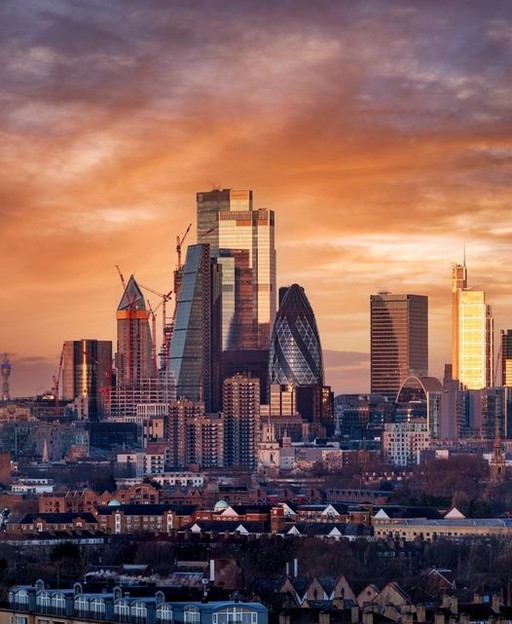
Two of the biggest names in world finance began in London coffee houses. Lloyd’s of London started as a coffee house where sailors and merchants swapped shipping news. The London Stock Exchange grew out of another one, in a lane off Cornhill. Both stories began inside the Square Mile, and you can still walk between the sites in under half an hour.
This is the story of how a bitter drink from the eastern Mediterranean turned ordinary rooms in the City into the world’s first open trading floors. It is also a walking guide. Many of the lanes where these deals happened still run between Bank and Lombard Street.
The First Coffee House on Cornhill
Most historians date London’s first coffee house to about 1652. A man named Pasqua Rosée opened it in St Michael’s Alley, a narrow passage off Cornhill. Rosée had come to London as the servant of Daniel Edwards, a merchant who traded with the Levant. Edwards had acquired a taste for coffee abroad, and he helped his servant set up a stall in the City.
Rosée printed a handbill to sell his drink. It praised coffee as a cure for headaches, coughs and sleepiness. Londoners tried it, and the idea spread fast. Within a few years, rival houses opened in lanes and alleys all over the City. By the early 1700s, the number ran into the hundreds.
Samuel Pepys, the famous diarist, mentions visiting coffee houses in his diary in the 1660s. He went to hear the news, meet friends and talk business. He was a typical customer.
Why a Coffee House Worked Like an Office
The coffee house gave London something it had never had: a place where anyone could sit, talk and trade without an invitation. Tradition says a penny bought you a seat and a dish of coffee. For that price you could read the newspapers on the tables and listen to the talk. People sometimes called these rooms “penny universities” because you could learn so much from the conversation.
Alehouses and taverns served a different purpose. Customers drank beer or wine there, and business talk often ended in arguments. Coffee kept heads clear. Merchants, sea captains, lawyers and clerks all met in the same room, and each house soon drew its own crowd. One house attracted shipping men. Another drew stockbrokers. A third drew the tea and spice trade.
The City had a simple problem that the coffee house solved. Merchants needed fresh news, and they needed to find each other fast. A ship might sink in the Channel, a harvest might fail in the Baltic, or a price might shift in Amsterdam. The man who heard first made the money. The coffee house gathered that news under one roof.
Edward Lloyd and the Shipping News
Edward Lloyd ran a coffee house on Tower Street by 1688. Sailors, ship owners and merchants gathered there. Lloyd noticed what his customers wanted most: reliable news about ships. He moved to Lombard Street in 1691, and in 1696 he began publishing a news sheet called Lloyd’s News. It carried reports of arrivals, departures and losses at sea.
Customers started to do more than read. They agreed to share the risk of a voyage. A merchant who wanted to protect a cargo would write the details on a slip of paper and pass it around the room. Each man who agreed to cover part of the risk signed his name at the bottom. The word “underwriter” comes from this habit of writing a name under the risk.
Lloyd’s List, a regular shipping paper, began in 1734. In 1871 an Act of Parliament formally created the Society of Lloyd’s. The coffee house itself had gone long before, but the name stayed, and so did the culture. Lloyd’s own history pages tell the story in more detail on the official Lloyd’s history page.
One tradition grew up inside the Lloyd’s rooms. A ship’s bell, the Lutine Bell, hung in the underwriting room. Staff traditionally rang it once for bad news about a ship and twice for good news. It gave the whole room the news at the same moment.
Jonathan’s, Change Alley and the Stock Exchange
The second great story belongs to Change Alley, a lane that runs between Cornhill and Lombard Street. By the 1690s, stock dealers crowded the Royal Exchange. The City tried to limit the number of brokers there, and many dealers moved to the coffee houses of Change Alley. Jonathan’s Coffee House became their main base.
At Jonathan’s, brokers posted the prices of shares and goods on the wall. By 1698 a broker named John Castaing was publishing a regular price list. Historians count that list as an early ancestor of the stock price lists that traders use today. Brokers bought and sold shares in trading companies, in government debt and in the new joint-stock ventures that promised fortunes.
The excitement peaked in 1720 with the South Sea Bubble. Share prices in the South Sea Company shot up, then crashed. Change Alley filled with anxious investors. Many lost their savings. Jonathan’s stood at the centre of the frenzy.
A fire in 1748 destroyed Jonathan’s. The brokers rebuilt, and in 1773 they formed a members’ room of their own and called it the Stock Exchange. The London Stock Exchange tells its own long history on the official London Stock Exchange history page.
🏙️ Enjoying this? 3,000 London lovers get stories like this every week. Subscribe free →
Garraway’s, the Baltic and the Merchants’ Rooms
Other houses served other trades. Thomas Garway ran a coffee house in Change Alley, and by the late 1650s he was selling tea there. Tea was a rare and costly novelty, and Garraway’s became a place where merchants sampled and traded it. The house stayed in business for more than two centuries.
On Threadneedle Street, the Baltic Coffee House drew merchants who traded with Russia and the Baltic ports. Shipowners met there to find cargoes, and cargo owners met there to find ships. The habit grew into the Baltic Exchange, a market for shipping.
Each house developed its own rules and its own regulars. A newcomer who sat in the wrong room heard the wrong gossip. A merchant who wanted tea went to Garraway’s. A captain who wanted a cargo went to the Baltic. A man who wanted shares went to Jonathan’s.
Why the Coffee Houses Faded
The trading rooms grew too busy for ordinary cafés. Lloyd’s, the Stock Exchange and the Baltic all moved into their own buildings, with their own rules and their own membership. The best-known houses became private clubs, then offices, then history.
Tea slowly overtook coffee as the nation’s favourite drink, and new clubs in the West End drew away the gentlemen. By the nineteenth century, the old City coffee houses had mostly vanished. Their trades, however, had grown into the institutions that still shape the City.
Walk the Coffee House Trail Today
You can follow the story on foot in about half an hour. Start at Bank station and work your way east. These stops give you the best feel for the old City.
- The Royal Exchange. Start at the building where the City’s traders met before the coffee houses took over. Our guide to the Royal Exchange explains its history.
- Cornhill and St Michael’s Alley. Walk along Cornhill and look for the narrow alley on the north side. This is where Pasqua Rosée served London’s first coffee.
- Change Alley. Follow the lane south towards Lombard Street. Brokers once crowded here, shouting prices, and the South Sea Bubble played out in these few yards.
- Lombard Street. Look up at the hanging signs. Edward Lloyd ran his coffee house here from 1691.
- Leadenhall Street. Finish near the modern Lloyd’s building, which stands close to the area where the insurance market grew.
The City is quietest at weekends, so the lanes feel most like they did in Pepys’s day then. Many of the buildings you pass are far newer than the coffee houses. The street pattern, however, still follows the medieval lanes. If you enjoy City history, our guide to Roman London shows what lay beneath the same streets 1,600 years earlier. For another trading story, read how the Great Fire of 1666 reshaped the City just as coffee drinking took hold. And for a market with an even longer past, see our history of Smithfield Market.
Frequently Asked Questions
When did the first coffee house open in London?
Most historians date the first London coffee house to about 1652. Pasqua Rosée opened it in St Michael’s Alley, off Cornhill, in the City of London.
Did Lloyd’s of London really start in a coffee house?
Yes. Edward Lloyd ran a coffee house on Tower Street by 1688, and he moved to Lombard Street in 1691. Merchants and ship owners met there to share shipping news and to agree insurance on voyages. The Society of Lloyd’s became a formal body by an Act of Parliament in 1871.
Can you still visit the old coffee house sites?
You can walk the streets where they stood. St Michael’s Alley, Change Alley and Lombard Street all still exist in the City of London. The coffee houses themselves have gone, but the street pattern and the street names remain.
Join 3,000+ London Lovers
Every week, get London’s hidden history, heritage walks, and stories from the city’s remarkable past — straight to your inbox.
Subscribe free — enter your email:
Already subscribed? Download your free London guide (PDF)
Free forever · One email per week · Unsubscribe anytime
Dates and details in this article come from the histories published by Lloyd’s and the London Stock Exchange, and from standard accounts of the City’s coffee-house era.