
Belgravia is one of the grandest districts in London, and one family planned almost all of it. Before the 1820s, the land was a stretch of damp fields. Within about thirty years, builders had raised miles of cream stucco terraces, huge squares and quiet mews. This guide explains how Belgravia grew, who paid for it, who lived there, and how to walk its streets today.
From Five Fields to Grosvenor Estate
Four hundred years ago, nobody would have called this area grand. A patch of low, marshy ground west of Westminster, known as the Five Fields, lay between the city and the village of Knightsbridge. Market gardeners worked some of it. Londoners also knew it as a lonely place where footpads and highwaymen robbed travellers after dark.
The story of the district begins with a marriage. In 1677, Sir Thomas Grosvenor married Mary Davies, a young heiress. Her inheritance included manor lands in what would become Mayfair, Belgravia and Pimlico. That one wedding gave the Grosvenor family a huge block of land on the edge of the capital.
For well over a century, the family left much of the western land as fields. London was growing fast, though, and the Grosvenors saw their chance. In the early 1820s, Richard Grosvenor, the 2nd Earl Grosvenor (later the 1st Marquess of Westminster), began to plan a new fashionable quarter next to Buckingham Palace and Hyde Park.
Why the name Belgravia?
The name comes from Belgrave, a village in Cheshire. The Grosvenors had their country seat, Eaton Hall, in that county. The family named the new squares and streets after their own estates, so Belgrave Square and Eaton Square carry the names of places in Cheshire. The word Belgravia itself came into use a little later, as a nickname for the whole district.
🏛️ Free Guide: How to Trace Your English & British Ancestry
Step-by-step: GRO records, census 1841–1921, parish registers, the National Archives (Kew), London Metropolitan Archives, and planning a heritage trip. Completely free.
Get the Free Guide →
Subscribe free at the guide page to receive weekly London heritage stories
The Builders Who Shaped Belgravia
Two men did most of the work. The architect George Basevi designed Belgrave Square and the grand terraces around it in the 1820s. The builder Thomas Cubitt then raised much of the rest, including the long terraces of Eaton Square. Cubitt ran an unusual business. Instead of hiring separate trades for each job, he kept bricklayers, carpenters, plasterers and painters on his own payroll. That system let him build whole streets quickly and to a steady standard.
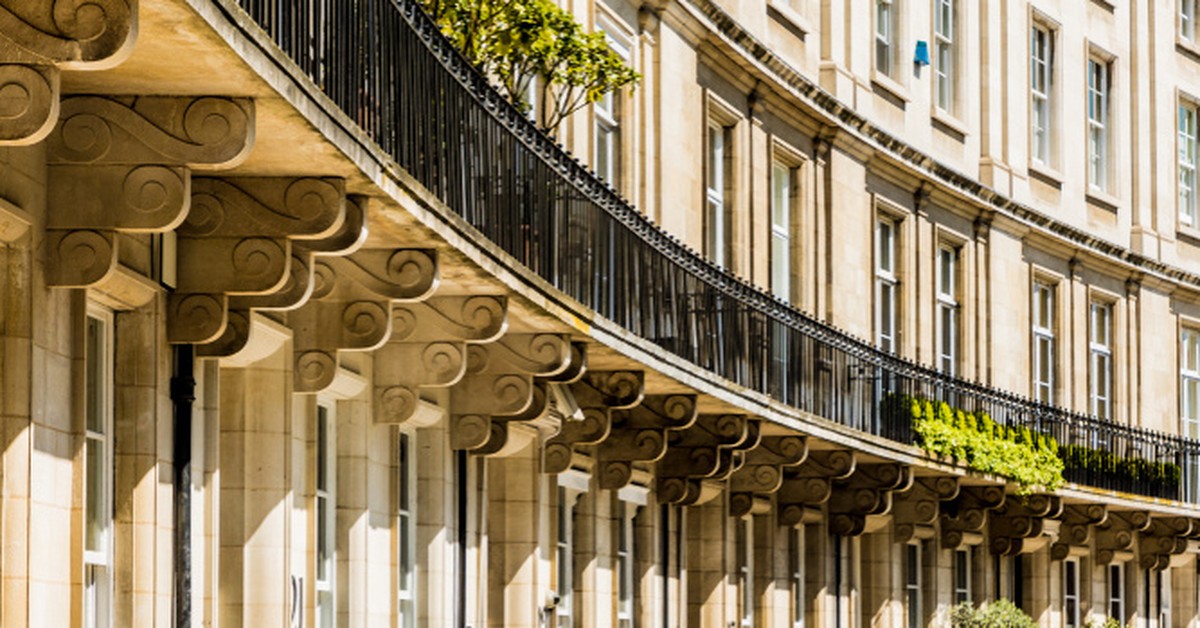
The Grosvenor estate also controlled the design. The family granted building leases, and the leases set strict rules about the style of each house. Every terrace had to follow a plan. Builders coated the brick fronts in white or cream stucco, which imitated expensive stone at a lower cost. The result is the uniform look you still see today: tall windows, pillared porches and black iron railings.
Cubitt also worked beyond Belgravia. His firm built the east front of Buckingham Palace in 1847, and he developed much of neighbouring Pimlico. The same builders and the same ideas shaped all of this part of west London.
A district built for the rich
Aristocrats, bankers and senior officers moved in during the 1830s and 1840s. A house in Belgravia gave its owner a short carriage ride to Parliament, the royal court and the London season. Society hostesses held balls in the large ground-floor rooms. Even so, the people on the street were not all wealthy, as the next section shows.
Life Below Stairs: The Mews and the Servants
A single grand house needed a large staff. Cooks, housemaids, footmen, butlers, coachmen and grooms kept each household running. Many of them lived in the basement and attic rooms of the main house. The coachmen and grooms lived above the stables in the mews, the narrow service lanes behind each terrace.
Walk down a Belgravia mews today and you will see how the system worked. The low cottages once held horses on the ground floor and the stable staff above. Kinnerton Street and the lanes around Wilton Crescent still show the old layout. Owners have since turned most of the buildings into homes.
These details matter for family historians. Census returns from 1841 onwards list the servants of each house by name, age and place of birth. A great-great-grandmother who worked as a kitchen maid in Belgrave Square may appear in the 1881 census, a few doors from her employer. Many young servants came to London from the English countryside, and from Ireland and Scotland as well.
Famous Names and Stories
Belgravia and its edges have housed many well-known figures. In 1764, the eight-year-old Mozart stayed in Ebury Street with his family during their tour of England. He wrote his first symphony there, and a plaque marks the house. The writer Mary Shelley, who wrote Frankenstein, died at Chester Square in 1851.
Belgrave Square became a home for diplomats as the twentieth century went on. Many of the great houses became embassies, offices and flats. The facades survived, and the Grosvenor estate still owns much of the district through the family company.
🏙️ Enjoying this? 3,000 London lovers get stories like this every week. Subscribe free →
Belgravia Today: A Short Walking Route
You can see most of Belgravia on foot in about ninety minutes. Here is a simple route that follows the story above.
1. Start at Hyde Park Corner
The Hyde Park Corner Underground station sits at the edge of the district. Walk south along Grosvenor Place with the Buckingham Palace gardens on your right, then turn into Belgrave Square.
2. Belgrave Square
Basevi laid out the square as a huge garden surrounded by four terraces and corner mansions. The garden is private and open only to keyholders, so you can look in through the railings. Notice how identical the stucco facades look from every side.
3. Wilton Crescent
Walk the curve of Wilton Crescent next. The sweeping line of cream terraces, balconies and iron railings gives you the best sense of the original estate design. Look up at the carved brackets under the balconies.
4. The mews and Elizabeth Street
Slip into the quiet mews around Kinnerton Street to see the old stable lanes. Then walk down Elizabeth Street towards Victoria for coffee and a look at the small independent shops.
5. Eaton Square
Finish at Eaton Square, where Cubitt’s long terraces run in a line. The nearest stations are Sloane Square, Victoria and Knightsbridge, so you can reach them easily.
The streets are quiet, and the houses are private homes, so please stay on the pavement and keep your voice down. Check the official websites of any museum or venue you plan to add to the walk, because opening arrangements change.
Tracing Your Family in Belgravia
If your ancestors worked or lived in Belgravia, several records can help. Start with the census returns for 1841 to 1921 and search by street name. Then look at parish registers for baptisms, marriages and burials. Westminster City Archives holds many local records for the area, and the London Metropolitan Archives covers wider London. The free ancestry guide above explains how to use each source step by step.
Frequently Asked Questions About Belgravia
Who built Belgravia?
The Grosvenor family planned Belgravia, and the builder Thomas Cubitt raised much of it from the 1820s. The architect George Basevi designed Belgrave Square and its surrounding terraces.
Why is it called Belgravia?
The Grosvenor family named the district after Belgrave, a village in Cheshire near their country seat, Eaton Hall. Local names such as Belgrave Square and Eaton Square follow the same pattern.
Can you visit Belgrave Square?
You can walk around the square and look at the buildings from the pavement. The central garden is private, so only keyholders can enter.
Join 3,000+ London Lovers
Every week, get London’s hidden history, heritage walks, and stories from the city’s remarkable past — straight to your inbox.
Subscribe free — enter your email:
Already subscribed? Download your free London guide (PDF)
Free forever · One email per week · Unsubscribe anytime