
Every morning, a quiet stretch of tarmac in North London becomes one of the most photographed spots on earth. Tourists hold up traffic, drag strangers into frame, and recreate a fifty-year-old album cover — all for a single moment on a zebra crossing. No other street corner on the planet inspires quite the same devotion.
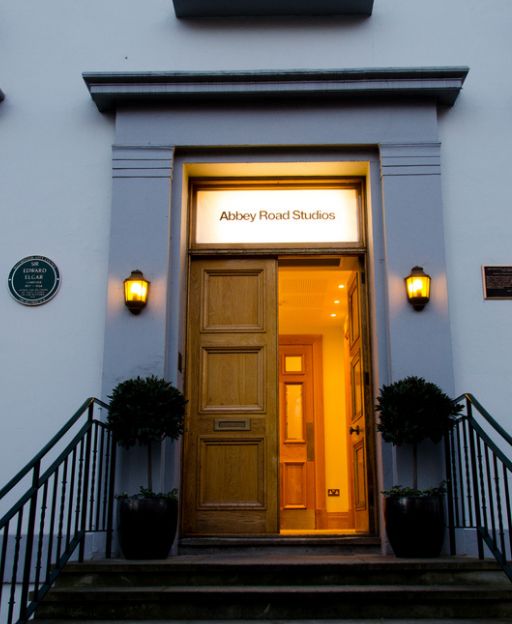
This is Abbey Road, in the leafy neighbourhood of St John’s Wood. And the story of how it became a global pilgrimage site is stranger and more interesting than most people realise.
The Ten-Minute Shoot That Made History
On 8 August 1969, the four members of The Beatles walked out of a white-painted studio on Abbey Road, crossed the street, and walked back. The photographer Iain Macmillan had arranged a step ladder in the middle of the road. A police officer held back traffic. The entire session lasted ten minutes.
Macmillan took six frames. The one chosen — four men mid-stride on a zebra crossing, Paul McCartney barefoot and leading — became the sleeve of the band’s eleventh studio album. It was released three weeks later.
The photograph sold more copies than almost any other album cover ever printed. The image appeared on bags, prints, murals, tattoos, and commemorative stamps. A simple crossing on an unremarkable North London road became shorthand for an entire era.
What Abbey Road Studios Actually Is
Most visitors come for the crossing. Far fewer know what goes on behind the gates.
Abbey Road Studios opened in 1931. Its first session was conducted by Sir Edward Elgar himself, with the London Symphony Orchestra — a year before The Beatles were even born. The building already carried a significant reputation long before the Fab Four arrived.
Pink Floyd recorded The Dark Side of the Moon here. John Williams composed the original Star Wars score in Studio One. Kate Bush, Radiohead, Adele, and Florence and the Machine have all recorded within these walls. Abbey Road is not a Beatles museum — it is a living, working studio that has shaped the sound of popular music for nearly a century.
Enjoying this? 3,000+ London lovers get stories like this every week. Subscribe free →
If you love London’s music and creative culture, you might also enjoy reading about why Soho has been London’s most rebellious square mile for 400 years — the neighbourhood has been at the heart of the city’s creative life since the 17th century.
The Wall That Never Stays Clean
Outside the studio’s iron gates is a plain white wall. Since the 1970s, fans from around the world have covered it in messages: song lyrics, declarations of love, names written in half a dozen languages, and carefully drawn portraits of the band.
The studio repainted the wall regularly throughout the 1990s. They eventually gave up. Now it is cleared a few times a year, and within 48 hours it is covered again. The names are always different. The devotion is always the same.
The wall has become a form of ongoing communal art — a living record of who came, where they were from, and what the music still means to them. It is arguably the most visited message board in Britain.
The Crossing Itself: A Heritage Site You Can Walk On
For years, the crossing was repainted like any other zebra crossing — by the council, when required, with no acknowledgement of its significance. In 2010, Historic England listed it as a Grade II landmark, making it one of the very few pedestrian crossings in Britain to carry any heritage protection at all.
It remains, as it has always been, a working crossing on a working road. Every day, cars queue as visitors step into the road, hold up their phones, and walk the crossing barefoot or in dark suits or in some combination of both. The drivers of St John’s Wood are, by necessity, among the most patient road users in London.
A live webcam streams the crossing 24 hours a day. People watch it in real time from Tokyo, São Paulo, and Dublin. Thousands of people are recreating the walk at this very moment, somewhere in the world, without ever setting foot in London at all.
Visiting Abbey Road: What to Know Before You Go
Abbey Road Studios is an active professional recording studio and does not open its doors to casual visitors. Tours are offered occasionally and are competitive to book — worth checking the official website if you are planning well in advance.
What you can always do is visit the crossing, photograph the wall, and walk the quiet streets of St John’s Wood. The neighbourhood is beautiful: wide tree-lined roads, elegant Georgian and Victorian terraces, and the kind of calm that Central London never quite manages.
The nearest Underground station is St John’s Wood on the Jubilee Line, roughly a ten-minute walk from the studio. There is no car park nearby. If you are planning a broader London trip, the London travel planning hub covers everything from where to stay to how to get around.
For another piece of London music history with a remarkable story, the Royal Albert Hall took 130 years to fix its famous echo — well worth a visit whether you have tickets or not.
Why People Keep Coming
The Beatles broke up in 1970. More than fifty years later, the crossing is busier than ever. The studio still operates behind the same white gates. The wall still fills within a day of being repainted.
There are no exhibits here, no entrance queue, no gift shop attached to the crossing itself. The street is exactly what it has always been — an ordinary North London road, slightly inconvenienced by its own fame.
And yet people come from Korea, from Canada, from Argentina, from Cork. They stand on the tarmac, look both ways, and walk. For a moment, they are part of something that nobody has fully managed to explain, but that everyone seems to understand.
Can you visit inside Abbey Road Studios?
Abbey Road Studios is a working professional recording studio and is not open for general visits. Occasional public tours are available through the Abbey Road Studios website when offered — demand is very high, so check availability and book well ahead if visiting.
How do you get to Abbey Road Studios in London?
The nearest Underground station is St John’s Wood on the Jubilee Line, roughly a ten-minute walk from the studio entrance on Abbey Road. The famous zebra crossing is visible from the studio gates, and the surrounding streets are clearly signposted.
Is the Abbey Road zebra crossing protected?
Yes — in 2010, Historic England granted the crossing Grade II listed status, making it one of the very few pedestrian crossings in Britain to hold any heritage protection. It remains a fully active crossing and is not closed off or roped away from visitors.
What else is worth visiting near Abbey Road?
St John’s Wood is a lovely area to explore on foot. Regent’s Park is a short walk south, and Lord’s Cricket Ground is just around the corner. The neighbourhood combines quiet residential streets with some of London’s most elegant green spaces — well worth an hour or two beyond the crossing itself.
Abbey Road does not ask anything of you. You do not need to know every lyric or own the record. You just need to stand on the crossing, look back at whoever is holding the camera, and walk.
🇬🇧 25 Hidden Gems of London Most Tourists Never Find
From secret riverside walks to hidden Victorian tunnels, centuries-old pubs to rooftop gardens with skyline views — our free guide reveals the London most visitors never discover. Join 3,000+ London lovers who get it free.
Get Your Free London Hidden Gems Guide →📲 Know someone who’d love this? Share on WhatsApp →
Love more? Join 65,000 Ireland lovers → · Join 43,000 Scotland lovers → · Join 29,000+ Italy lovers →
Free forever · Unsubscribe anytime