
London is a world-class destination on its own, but some of England’s greatest sights sit within one to two hours of the capital. Stonehenge, Bath, Oxford, the Cotswolds — these are places that would be headline attractions in any country on earth. The good news for US visitors planning day trips from London is that most are straightforward by train, affordable, and do not require hiring a car. This guide covers the eight best day trips from London, with honest travel times, realistic costs, and insider tips to make each one worthwhile.
Why Day Trips from London Are Worth Planning
London sits at the centre of England’s rail network, which means most of the country’s iconic destinations are a short journey away. A good rail connection turns a potentially expensive overnight trip into a manageable day out. Many US visitors spend their entire trip inside the M25, but stepping beyond the city — even for a single day — gives you a very different picture of what Britain is. Villages unchanged for centuries, ancient monuments, a Georgian spa town, the world’s most famous university city: all of them accessible before dinner.
Before you start booking, it is worth reading our guide to getting around London to understand the transport system. Most day trips depart from a mainline London terminus — Paddington, Waterloo, Victoria, King’s Cross, or Marylebone — and all are on the Underground. Plan to arrive at the station 15 minutes before your train departs.
1. Stonehenge and Salisbury
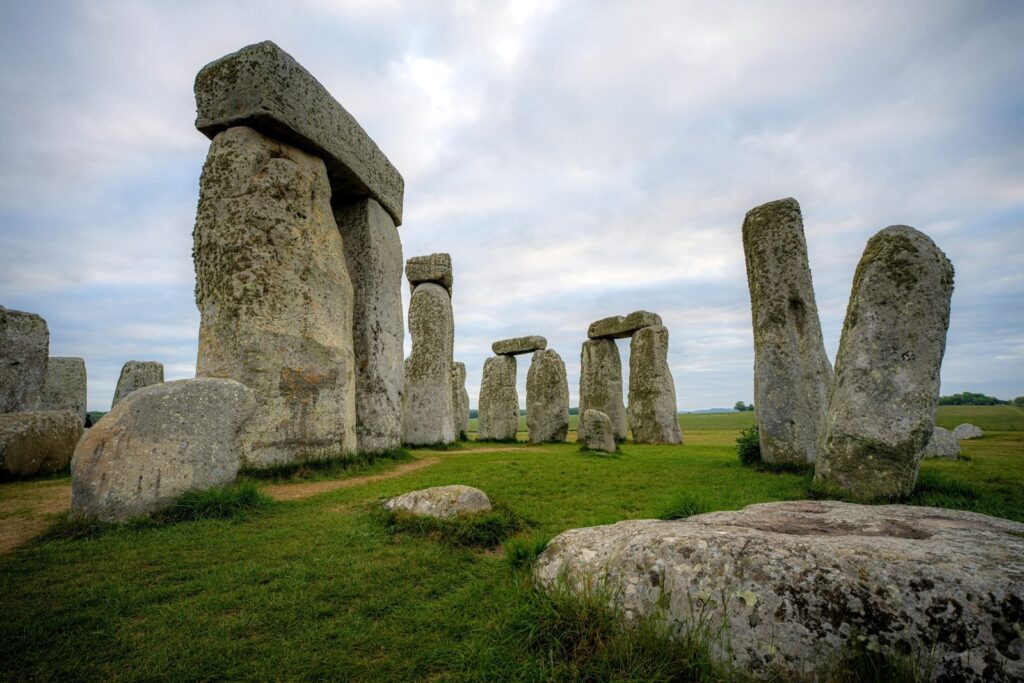
Stonehenge is the most-visited prehistoric monument in Europe and one of the world’s great mysteries. The stone circle on Salisbury Plain dates to around 3000 BC, making it older than the Egyptian pyramids. Nobody knows with certainty why it was built. Archaeologists believe it served as a burial ground and ceremonial site, aligned precisely with the summer and winter solstices. Standing close to those ancient stones on a quiet morning — before the tour buses arrive — is a genuinely moving experience.
Getting there from London takes around two hours. Take a South Western Railway train from London Waterloo to Salisbury, then a Stonehenge Tour bus from Salisbury city centre. Allow a full day: Salisbury itself is worth exploring, particularly its medieval cathedral, which houses one of the four surviving original copies of Magna Carta. Book Stonehenge tickets in advance, especially in summer — timed entry is required.
2. Oxford — The Dreaming Spires
Oxford is around one hour from London by train and one of the easiest day trips from London to manage independently. The University of Oxford is the oldest English-speaking university in the world, and its colleges — Christ Church, Magdalen, Balliol — are open to visitors during specified hours. Walk through the medieval lanes around the Bodleian Library, climb the tower of the University Church of St Mary the Virgin for a panoramic view over the spires, and finish at the covered Covered Market for lunch.
Trains depart from London Paddington (Chiltern Railways to Oxford in around one hour) or London Marylebone (also around one hour). Oxford is compact and very walkable. A city centre bus pass is useful if you want to visit the Ashmolean Museum, one of the world’s oldest public museums, which sits a short walk north of the city centre. Entry is free.
3. Bath — Roman History and Georgian Architecture
Bath is arguably England’s most complete Georgian city, and it sits just 90 minutes from London Paddington by Great Western Railway. The Roman Baths, built around 70 AD, are one of the best-preserved Roman sites in northern Europe — the natural hot spring still flows as it has for thousands of years. Walk the Royal Crescent (a curved terrace of 30 Georgian townhouses built in the 1770s), stroll along the River Avon, and take a look inside Bath Abbey.
Bath is popular and can get busy in summer. Arrive early, particularly if you want to visit the Roman Baths before crowds build up. The Thermae Bath Spa, a rooftop swimming pool fed by the same natural spring, is a good addition if you book tickets in advance. Bath’s city centre is compact — comfortable shoes are essential as the streets are hilly.
4. Cambridge — Punting and Ancient Colleges
Cambridge rivals Oxford for atmosphere and is arguably even more scenic thanks to the River Cam running through its heart. The train from London King’s Cross takes around 50 minutes. King’s College Chapel — one of the finest examples of Gothic architecture in England — is reason enough to make the trip. The chapel’s fan-vaulted ceiling and its famous choir have made it one of the most recognised buildings in Britain.
Punting on the Cam is the quintessential Cambridge experience. You can hire a self-guided punt or take a chauffeured punt through The Backs, the stretch of river running behind the colleges. A two-hour walking tour of the colleges is a good investment — guides bring the history to life in a way a self-guided visit cannot. Most Cambridge colleges charge a small entry fee and have specific visitor hours.
5. Brighton — Beaches and the Royal Pavilion
Brighton is around one hour from London Victoria by Southern Rail, making it one of the fastest day trips from London on this list. The city has a distinct bohemian character — the Lanes are a maze of Victorian alleyways lined with independent shops, antique dealers, and cafés. The Brighton Pier stretches out into the English Channel and is free to walk. The Royal Pavilion, the extraordinary seaside palace built for the Prince Regent in the early 19th century, is worth the entry fee for its extraordinary Indo-Saracenic exterior and lavishly decorated interiors alone.
Brighton’s beach is shingle rather than sand, which surprises some US visitors. Bring a beach towel and layers — the sea breeze can be cool even in summer. The North Laine district, just north of the Lanes, has excellent street food and independent coffee shops worth exploring before your return train.
🗺️ Free Guide: The Best Day Trips from London (2026)
Top day trips by train, by car, and places most visitors never find — with travel times, insider tips, and the best time to visit each. Free when you subscribe to Love London.
Get the Free Day Trips Guide → Subscribe free at the guide page to receive weekly London travel stories6. Windsor Castle
Windsor Castle is the oldest and largest inhabited castle in the world, and it sits just 30 to 40 minutes from London Paddington or London Waterloo by train. As an official royal residence, the State Apartments are furnished with works from the Royal Collection — paintings, armour, and tapestries that span centuries. St George’s Chapel, within the castle grounds, is one of the finest examples of Gothic architecture in England and the burial place of ten monarchs, including King Henry VIII.
Book tickets online before you go, particularly in summer. The town of Windsor itself — across the bridge from Eton — is pleasant for a short walk before or after the castle. The Changing of the Guard takes place at Windsor on selected dates; check the official royal.uk website for the current schedule before visiting.
7. The Cotswolds — England’s Most Scenic Villages
The Cotswolds is an area of outstanding natural beauty in central England, characterised by honey-coloured stone villages, rolling hills, and market towns that look almost unchanged from the 17th century. Bourton-on-the-Water, Burford, Bibury, and Chipping Campden are among the most visited villages. The area sits around 90 minutes from London by train (London Paddington to Kingham or Moreton-in-Marsh), though a car or taxi makes getting between villages much easier.
If you are travelling without a car, Kingham or Moreton-in-Marsh are the most practical bases. Local buses connect several Cotswolds villages, though they can be infrequent. A guided tour departing from London is a good option for first-timers who want to see multiple villages in a single day without the logistics of public transport. Check our budget guide for London visitors if you are planning costs across your whole trip.
8. Canterbury — Cathedral and Ancient Heritage
Canterbury sits in Kent, around one hour from London St Pancras by Southeastern High Speed train. Canterbury Cathedral is a UNESCO World Heritage Site and one of the most important Christian sites in England — it has been a place of pilgrimage since the martyrdom of Thomas Becket in 1170. The medieval street of The Buttermarket sits just outside the cathedral gates and is lined with independent shops and cafés.
Canterbury’s city walls, the Roman Museum, and the ruins of St Augustine’s Abbey — a second UNESCO World Heritage Site in the same city — make it one of the most historically rich day trips from London. Allow at least three hours in the city once you arrive. The high-speed train service makes Canterbury an unusually quick journey for how much it delivers.
Practical Tips for Day Trips from London
A few things to keep in mind when planning your day trips from London:
- Book trains in advance: UK rail tickets are significantly cheaper when booked early. The cheapest Advance fares can be purchased up to 12 weeks before travel. On popular routes (Bath, Oxford), prices rise sharply closer to departure.
- Travel off-peak: Trains before 09:30 are often more expensive due to peak-hour pricing. Travelling after 09:30 Monday to Friday and any time at weekends is usually cheaper.
- Use National Rail’s website: nationalrail.co.uk is the definitive source for UK train times and prices. Third-party booking sites sometimes charge additional fees.
- Bring a packed lunch: Station cafés and platform kiosks are convenient but expensive. Many day trip destinations have good local food, but if you are watching your budget, bringing lunch saves money.
- Start early: The most popular sites (Stonehenge, Bath Roman Baths, Windsor Castle) are busiest from late morning. Being on the first available train means you arrive before the crowds.
If you are still in the planning stages of your trip, it is worth reading our guide to how many days to spend in London to work out how many day trips realistically fit into your itinerary.
Love London? Get weekly inspiration free.
Join 3,000+ readers who get London’s hidden gems, insider tips, and local stories every week.
Subscribe Free →When to Take Day Trips from London
Spring and autumn are generally the best seasons for day trips from London. April through June offers mild weather, longer daylight hours, and lower crowd levels than peak summer. September and October are excellent — the light is softer, visitor numbers drop, and most attractions remain open. July and August are busiest at most sites, which means higher prices, longer queues, and a more pressured experience at smaller venues like the Cotswolds villages.
Winter day trips are underrated. Windsor Castle and Canterbury look spectacular in cold, clear weather. Bath’s Roman Baths are atmospheric year-round. Stonehenge on a quiet winter morning — when the mist sits low over the plain — is extraordinary. Check opening times carefully in winter as some venues reduce their hours or close for specific days.
What is the easiest day trip from London for first-time visitors?
Windsor Castle is the easiest day trip from London for first-time visitors. The train takes under 40 minutes from London Paddington or London Waterloo, there is no need for additional connections, and the castle is a short walk from the station. Oxford and Brighton are also straightforward and well-served by regular, direct trains from central London.
How much does a day trip from London cost?
Costs vary widely depending on the destination and how far in advance you book train tickets. A return train to Windsor costs from around £10–£15 booked ahead. Bath or Oxford return fares can range from around £20 to £60 depending on timing and booking window. Entry fees vary: Windsor Castle charges per person for the State Apartments, while Oxford’s Ashmolean Museum and most of Cambridge’s exteriors are free to explore. Budget around £50–£80 per person for a comfortable day trip including transport, admission, and lunch.
Do I need a car for day trips from London?
You do not need a car for most day trips from London. Stonehenge, Bath, Oxford, Cambridge, Brighton, Windsor, and Canterbury are all reachable by direct train. The Cotswolds is the main exception — a car or a guided tour makes it significantly easier to see multiple villages in one day. If you do want to hire a car, remember that driving in the UK is on the left side of the road, and many village roads in the Cotswolds are very narrow.
Is it better to book a guided tour or travel independently for day trips from London?
It depends on the destination. For Oxford, Cambridge, and Bath, independent travel is straightforward and gives you full flexibility over timing. For Stonehenge combined with Salisbury, or for the Cotswolds, a guided day tour from London can save significant time and logistics. Guided tours often include hotel pick-up, a guide who brings the sites to life, and access to the most scenic spots without the hassle of local transport. Independent travel is cheaper; guided tours are more convenient and often include more ground covered per day.
Join 3,000+ London Lovers
Every week, get London’s local secrets, little-known places and travel inspiration — the kind you won’t find in any guidebook.
Subscribe free — enter your email:
Free forever · One email per week · Unsubscribe anytime