
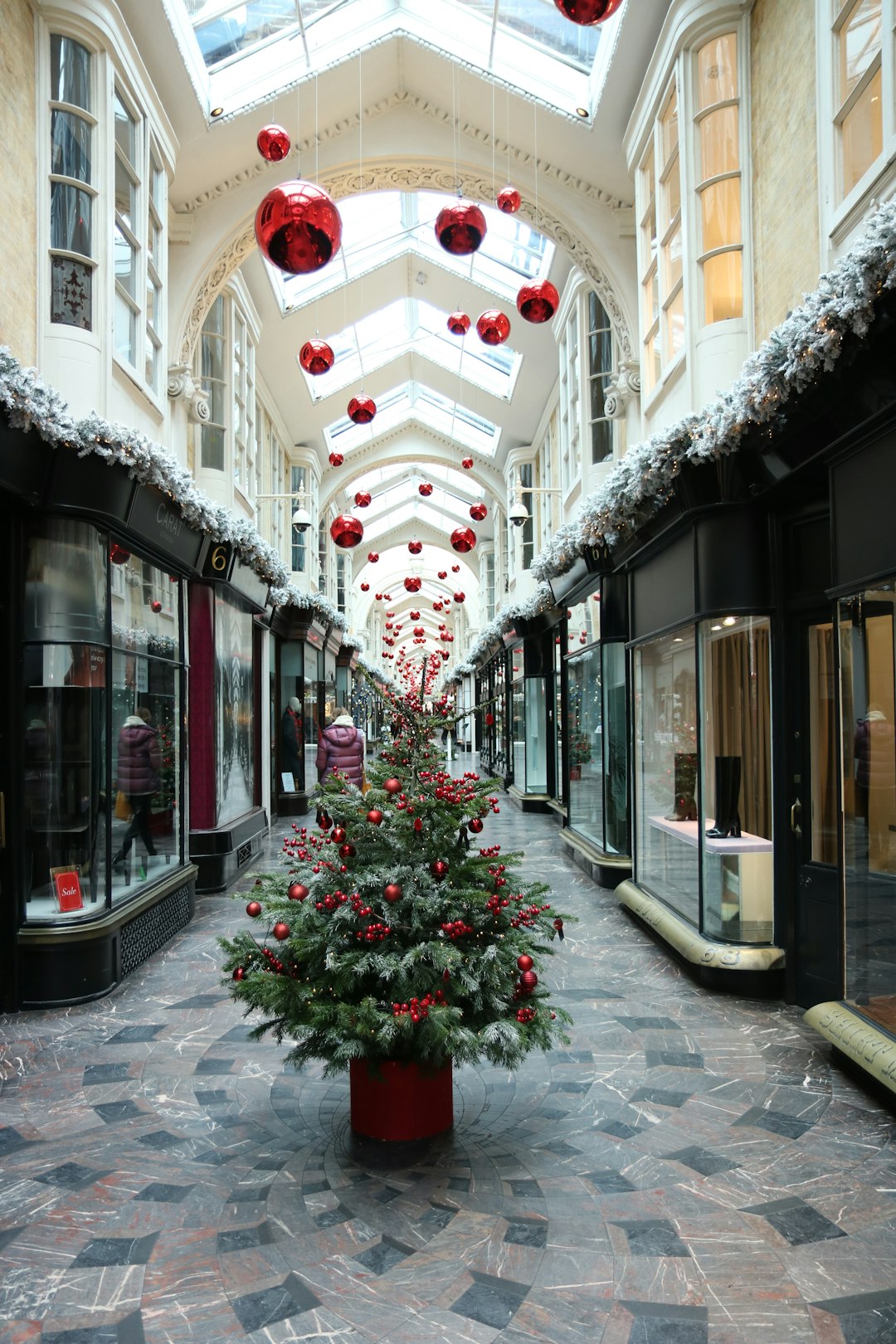
Burlington Arcade London is a covered Regency shopping street in Mayfair, and it is one of the easiest places to see real 19th-century London in under an hour. It opened in 1819, runs from Piccadilly to Burlington Gardens, and still has top-hatted guards called beadles at its entrances. Rain or shine, you can step inside, look up at the glass skylights, and walk the full length in a few minutes.
This guide is for US visitors who are planning a first or second trip. It explains the history, the odd old rules, how to get there, and what to do nearby. We have kept it practical, so you can fit the arcade into a day in central London.
Burlington Arcade London: What It Is and Why Visit
An arcade is a covered walkway lined with small shops. London has a few, but Burlington Arcade is the best known. It is about 180 metres long, and it holds around 70 small shopfronts. Most of them sell high-end goods such as jewellery, knitwear, leather and watches.
You do not need to buy anything. Many visitors come for the architecture and the atmosphere. The pale glass roof lets in soft daylight, the shopfronts are dark and polished, and the street is quiet compared with Piccadilly just outside.
Why it suits a short visit
The arcade is small, so it works well as a stop between bigger sights. You can walk it in five minutes, or take 30 minutes if you browse the windows. It also sits close to the Royal Academy, Fortnum & Mason and Savile Row, so you can build a Mayfair morning around it.
A Short History of Burlington Arcade
Lord George Cavendish commissioned the arcade, and it opened in 1819. He later became the Earl of Burlington. His home, Burlington House, stood next door. Today that building houses the Royal Academy of Arts.
The architect was Samuel Ware. His design gave Regency London a safe, dry place to shop. Rain and mud were a real problem on 19th-century streets, so a covered walkway with a smooth floor was a smart idea.
The oyster shell story
A popular story says the arcade exists because of rubbish. Passers-by reputedly threw oyster shells and other litter over the wall into the Cavendish garden. The lord supposedly built the arcade to stop them. Historians often treat this as a good tale rather than proven fact, but guides still tell it, and it is fun to know.
What the arcade was built to do
The arcade gave fashionable shoppers a controlled space. Strict rules kept the walkway calm and orderly. Some of those rules are still printed or told as part of the arcade’s character.
The Burlington Beadles and the Famous Rules
The beadles are the best-known part of the arcade. They wear top hats and frock coats in a deep colour, and they stand near the entrances. People often describe them as Britain’s smallest private police force. The first beadles came from a cavalry regiment, the 10th Hussars, in 1819.
Today the beadles act as guardians and guides. You can say hello and ask a question. They know the arcade well, and they are used to visitors with cameras.
The old rules
Historically, the arcade had a list of rules that sound strange to modern ears. Visitors could not:
- whistle, sing or hum
- run or hurry
- carry large parcels
- open an umbrella
- push a pram or stroller
Treat these as part of the arcade’s folklore. The rules show how formal Regency shopping used to be. If you want to be safe, walk calmly, keep your voice low, and fold your umbrella before you step inside. The official arcade website is the best place to check the current guidance before you go: Burlington Arcade official site.
What to See and Do Inside the Arcade
Start at the Piccadilly end and walk slowly toward Burlington Gardens. The sights are small, so look closely.
Look up at the roof
The glass skylights are the main feature. They run in a long line above your head, and the light changes through the day. Morning and late afternoon give the softest light for photos.
Browse the shopfronts
Each shop is narrow and deep. Many have traditional wooden fronts and gold lettering. Even if you do not plan to shop, the window displays are a pleasure to see. Staff in these shops are used to browsers, but a polite hello goes a long way.
Find the beadles
Say hello to a beadle near an entrance. Ask before you take a close photo of them, since they are working. Most are happy to help.
Love London, every week
Hidden corners, history and local tips in one free weekly email.
How to Get to Burlington Arcade
The arcade sits in the heart of Mayfair, just off Piccadilly. It is easy to reach on foot from most central areas.
- By Tube: Green Park and Piccadilly Circus stations are both a short walk away. Bond Street is a little farther but still walkable.
- By bus: Many routes run along Piccadilly, and the stops are close to the arcade entrance.
- On foot: From Trafalgar Square, the walk takes you past Piccadilly Circus. Read our guide to Trafalgar Square if you plan to start there.
For help with the Tube, buses and contactless payment, see our guide to getting around London.
Best Time to Visit Burlington Arcade
The arcade is a good wet-weather stop, which makes it ideal for an autumn or winter trip. Its roof keeps off the rain, and the shops keep the street warm and bright. Weekday mornings are usually calmer than weekend afternoons.
Always check opening times on the official website before you go, since shops and arcade hours can differ. Our best time to visit London guide explains the seasons month by month.
What to Do Near Burlington Arcade
Mayfair and Piccadilly have a lot to offer within a short walk. Here are four ideas.
Royal Academy of Arts
The Royal Academy sits right next to the arcade, in Burlington House. It runs art exhibitions and has a historic courtyard. It is a natural pairing with the arcade, since Lord Cavendish’s old home is now part of it.
Fortnum & Mason
This famous food shop is a few minutes’ walk along Piccadilly. It is a fun place to buy tea or gifts. See the Fortnum & Mason official site for details. If you want a sit-down treat, read our guide to afternoon tea in London.
Savile Row
Savile Row is the home of British tailoring, and it is a short walk away. Our piece on Savile Row tailoring explains why the street matters.
Green Park
For fresh air, walk to Green Park. The Royal Parks website has up-to-date visitor information: Royal Parks official site.
A Simple Plan for One Mayfair Morning
- Arrive at Piccadilly and enter the arcade from the Piccadilly end.
- Walk the full length slowly and look up at the glass roof.
- Exit at Burlington Gardens and stroll toward Savile Row.
- Walk back through Mayfair to Piccadilly for tea or a coffee break.
- Finish at Green Park, or move on to your next sight.
If you only have a short stay, our 3-day London itinerary shows where a Mayfair stop fits.
Tips for US Visitors
- Dress neatly, since the arcade has a formal feel.
- Keep your voice low and walk at an easy pace.
- Bring a camera, and keep it ready for the skylights.
- Pair the arcade with a nearby sight, so you make the most of the trip.
- Check the official website for current opening times.
Burlington Arcade FAQ
What is Burlington Arcade in London?
Burlington Arcade is a covered shopping street in Mayfair that opened in 1819. It links Piccadilly with Burlington Gardens and holds around 70 small shops.
Who are the Burlington Beadles?
The beadles are the top-hatted guards who watch over the arcade. They date back to 1819, and the first ones came from the 10th Hussars. Today they greet visitors and look after the arcade.
How long does a visit to Burlington Arcade take?
Walking the arcade takes about five minutes. Allow 20 to 30 minutes if you want to browse the windows and take photos.
Is Burlington Arcade worth visiting if I do not want to shop?
Yes. The glass roof, the shopfronts and the beadles make it a pleasant stop even without a purchase. It also sits close to the Royal Academy and Savile Row.
Where is Burlington Arcade and how do I get there?
The arcade is in Mayfair, with an entrance on Piccadilly. Green Park and Piccadilly Circus Tube stations are both a short walk away.
Join 3,000+ London Lovers
Every week, get London’s hidden gems, local secrets, and travel inspiration — the kind you won’t find in any guidebook.
Subscribe free — enter your email:
Join the Love London newsletter →
Free forever · One email per week · Unsubscribe anytime