
Three days in London is enough time to see the iconic landmarks, explore a few hidden corners, and get a real feel for how the city works. It is not enough time to see everything — London has far too much for that. But if you plan it well, you will leave feeling like you actually know the city, not just walked past its most photographed buildings.
This guide is written for US visitors making their first or second trip to London. It is practical and honest. You will not see everything on this list — and that is fine. Pick what appeals to you, skip what does not, and trust that London rewards people who wander as much as it rewards those who plan.
Before You Arrive: The Basics
Three days works best if you arrive on a Thursday or Friday and leave on Sunday or Monday. This gives you weekend access to markets like Borough and Portobello Road, which are at their best on Saturdays and Sundays.
Sort out your transport before you land. The Tube is the fastest way to move around London, and a contactless credit card from the US works perfectly — you tap in and tap out, and the system caps your daily spending automatically. You do not need an Oyster card. For everything you need to know about buses, trains, and getting from the airport, our complete London transport guide covers it all.
If you have not booked accommodation yet, central London neighbourhoods like Covent Garden, South Bank, and Marylebone put you within walking distance of most Day 1 and Day 2 sights. Staying further out in Shoreditch or Notting Hill adds character but means more Tube journeys. Read our guide to the best areas to stay in London for a full breakdown.
Budget roughly £200–£300 per person per day including accommodation, meals, and entry fees if you plan to visit paid attractions. London is not cheap, but many of its best experiences — including most of its world-class museums — are completely free. We have a full breakdown in our London travel budget guide.
Day 1: Westminster, the South Bank, and the River Thames
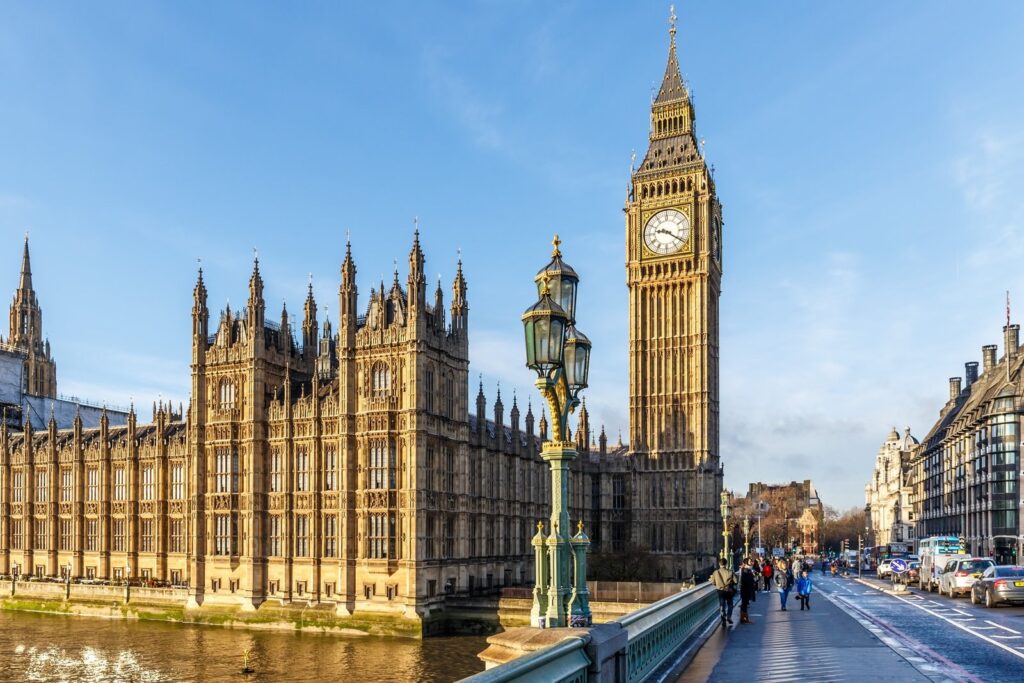
Start where most visitors start — and for good reason. Westminster is the political and symbolic heart of London. It is where Parliament sits, where Big Ben keeps time, and where Westminster Abbey has held royal coronations since 1066. These are not just photogenic stops. They are genuinely important places, and spending a morning here gives you the historical context that makes the rest of the city make sense.
Morning: Westminster
Arrive at Westminster Tube station by 9am. The view as you come up from the Underground — Big Ben directly ahead, the Thames to your right — is one of the best first impressions any city offers. Walk across Westminster Bridge for the classic photograph, then come back to explore the area on foot.
Westminster Abbey is worth the entry fee (around £27 for adults). Go early and you will have the nave largely to yourself. The Abbey contains the tombs of seventeen monarchs, Poets’ Corner, and the Coronation Chair dating from 1308. Budget ninety minutes inside.
The Houses of Parliament are not normally open for tourist visits on weekdays, but you can join a guided tour on weekends and during Parliamentary recesses. Check the official website before you travel if this interests you. Even from outside, the Gothic architecture is extraordinary, especially from across the river.
Afternoon: South Bank
Walk across Westminster Bridge and head east along the South Bank. This stretch of riverside is one of the most enjoyable walks in London — bookshops under Waterloo Bridge, street performers at the National Theatre, and views across to St Paul’s Cathedral on the opposite bank.
Tate Modern is free to enter and worth at least an hour. It occupies a converted power station and houses one of the world’s greatest collections of modern and contemporary art. The building itself is as impressive as the collection. If you walk up to Level 10, the views across the Thames and the City skyline are exceptional.
Borough Market, just a five-minute walk from Tate Modern, is one of London’s oldest and best food markets. It opens Tuesday to Saturday. Come hungry. There are stalls selling everything from Ethiopian flatbreads to Scotch eggs, aged cheeses, fresh pasta, and some of the best coffee in London. For a proper guide to eating in London, see our London food guide for US visitors.
End the afternoon at the South Bank. The London Eye is directly across the water from Westminster. Tickets cost around £30 and the views from the top are genuinely impressive, particularly at dusk. Book in advance to skip the queue.
Day 2: The Tower of London, St Paul’s, and the City
Day 2 takes you into the oldest part of London. The City of London — the square mile where the Romans first settled — holds two thousand years of history within walking distance. On weekdays it buzzes with financial workers. At weekends it quietens and becomes far more enjoyable to explore on foot.
Morning: Tower of London and Tower Bridge
The Tower of London is one of the most historically significant sites in Britain. It has served as a royal palace, a prison, a place of execution, and home to the Crown Jewels — which it still houses today. Entry costs around £34 for adults. Book tickets in advance online to avoid queues and get a small discount.
The Yeoman Warder tours (the famous Beefeaters) run throughout the day and come with your ticket at no extra cost. They are worth joining. The guides know the Tower’s history in extraordinary detail and bring the stories of Anne Boleyn, Lady Jane Grey, and the Princes in the Tower to life in a way that no written account quite matches.
After the Tower, walk across Tower Bridge. The walkways at the top are open to visitors (around £12 entry) and give you views straight down the Thames in both directions. The Victorian engine rooms in the base of the bridge are genuinely fascinating — the hydraulic machinery that lifts the bridge’s bascules still works, and it still opens several times a week for tall ships.
Afternoon: St Paul’s Cathedral and the City
Walk west along the river and through the City streets to St Paul’s Cathedral. Christopher Wren designed it after the Great Fire of London destroyed the previous cathedral in 1666. The dome is one of the most recognisable silhouettes in the world. Climb to the Whispering Gallery inside the dome — whisper against the wall and someone on the opposite side can hear you clearly — and then continue up to the Golden Gallery at the top for views across the city.
The streets immediately around St Paul’s reward wandering. Paternoster Square, just to the north, is a good spot for lunch. If you have time, walk five minutes east to Leadenhall Market — a Victorian covered market with ornate ironwork and painted ceilings that appeared in the early Harry Potter films as Diagon Alley.
Evening: Covent Garden
Take the Tube west to Covent Garden for the evening. The piazza hosts street performers most afternoons and evenings, and bars and restaurants fill the surrounding streets at every price point. Our Covent Garden guide covers the best spots for dinner and what to do after dark.
🗺️ Free Guide: The Best Day Trips from London (2026)
Top day trips by train, by car, and places most visitors never find — with travel times, insider tips, and the best time to visit each. Free when you subscribe to Love London.
Get the Free Day Trips Guide → Subscribe free at the guide page to receive weekly London travel storiesDay 3: Hyde Park, Kensington, and Notting Hill
The third day moves west into a different London — wealthier, greener, and noticeably quieter than the City or South Bank. Hyde Park is one of the largest parks in central London. Kensington holds three of the city’s great museums. And Notting Hill is exactly as photogenic as it looks in films, though it is also a real neighbourhood with a life of its own beyond the tourist trail.
Morning: Hyde Park and Kensington Gardens
Enter Hyde Park from the east at Hyde Park Corner or from the south at Victoria. Walk across to the Serpentine — the lake in the centre — where you can hire a rowing boat if the weather is good. The park connects seamlessly to Kensington Gardens, where you will find Kensington Palace (the official residence of the Prince and Princess of Wales) and the extraordinary Albert Memorial.
Kensington Palace is open to visitors year-round and costs around £18 for adults. The State Rooms are beautifully preserved, and the palace connects directly to the gardens so you can combine both without backtracking.
Afternoon: Museum Mile and Notting Hill
Walk south from Kensington Gardens to Exhibition Road, where three of London’s finest museums sit within five minutes of each other — all completely free to enter.
The Natural History Museum is one of the finest natural history collections in the world. The main hall, with its blue whale skeleton and Victorian terracotta architecture, is genuinely breathtaking. You could spend half a day here easily. The Science Museum next door is equally good, especially if you are travelling with children.
The Victoria and Albert Museum (the V&A) is immediately across the road. It holds one of the world’s greatest collections of decorative arts and design, covering everything from Elizabethan jewellery to contemporary fashion. Most American visitors underestimate it. Give it at least ninety minutes.
From the museums, walk or take the Tube one stop north to Notting Hill. Portobello Road Market runs every day, but Saturdays are when the antiques and vintage stalls come out in full force. The pastel-painted houses on Lansdowne Road and the surrounding streets are exactly as pretty as every photograph suggests. Allow an hour to wander before heading north to Notting Hill Gate for dinner.
What to Skip on a 3-Day London Visit
Three days is not enough for Greenwich, Camden Market, Hampton Court, or any significant day trip. If you have a fourth day, Greenwich is worth the journey — a UNESCO World Heritage Site with the Royal Observatory, the Cutty Sark, and the best views of the City skyline you will find anywhere. But trying to fit it into three days means rushing everything else.
Similarly, Buckingham Palace is less impressive in person than in photographs. The exterior is largely plain and the Changing of the Guard ceremony involves a lot of standing in a crowd with a restricted view. It is worth walking past, but it should not take up a morning on a three-day trip. Save the Palace experience for your second visit, when you can book a Summer Opening tickets to see the State Rooms properly.
For everything that London offers at no cost, see our guide to free things to do in London — many of the best experiences in the city cost nothing.
Practical Tips for US Visitors
Jet lag: Most US visitors arrive on morning flights and struggle with the first afternoon. Fight through it. Go to sleep at local time on night one, even if you only manage five hours. You will feel dramatically better on Day 2.
Weather: London is not as rainy as its reputation suggests, but it is changeable. Pack a light waterproof jacket and wear layers. Even in summer, mornings can be cool.
Money: London is mostly cashless now. Your US contactless card will work in virtually every shop, café, restaurant, and market stall. Carry a small amount of cash for occasional use, but do not rely on it. ATM fees can be high.
Pace: London rewards slowing down. The temptation is to fill every hour. Resist it. Some of the best moments in London happen between planned stops — a good coffee in a Victorian covered arcade, an unexpected street market, a pub that has been on the same corner for three hundred years.
Frequently Asked Questions
Is 3 days in London enough to see the main sights?
Three days in London is enough to cover the most important landmarks and get a genuine feel for the city. You can see Westminster, the Tower of London, St Paul’s, the South Bank, Hyde Park, and Kensington comfortably across three full days. You will not see everything London offers, but three days is a satisfying and well-paced visit.
How much does 3 days in London cost from the US?
Budget around £200–£300 per person per day covering accommodation, meals, transport, and paid attractions. Many of London’s best museums are free, which keeps costs lower than visitors expect. Flights from the east coast of the US typically cost $500–$900 return depending on the season and how far in advance you book.
What is the best time of year for 3 days in London?
Late April through June and September through October are the best times to visit London for a short trip. The weather is mild, crowds are lighter than peak summer, and prices are lower. July and August are busy and expensive. Winter is atmospheric and far cheaper, but expect shorter days and unpredictable weather.
Do I need to book London attractions in advance?
Yes, for paid attractions. The Tower of London, Westminster Abbey, Kensington Palace, and the London Eye all benefit from advance booking — you save money and skip the queues. Book at least a week ahead in peak season and a few days ahead at quieter times. Free attractions like the British Museum and the V&A do not require booking, though the British Museum asks you to reserve a free timed entry during busy periods.
How should I get around London on a 3-day trip?
The Tube is the fastest way to move between areas, and your US contactless credit or debit card works directly at every Tube barrier — no Oyster card needed. For shorter distances, walk. London is more compact than first-time visitors expect, and many of the best moments happen between Tube stops. Taxis (black cabs) are reliable but expensive; Uber also operates across the city.
Join 3,000+ London Lovers
Every week, get London’s local secrets, little-known places and travel inspiration — the kind you won’t find in any guidebook.
Subscribe free — enter your email:
Free forever · One email per week · Unsubscribe anytime