
There is a line painted on a hill in southeast London. It is easy to miss. But every flight schedule, every GPS coordinate, and every stock market opening time in the world traces back to that line — and you can step over it.
This is Greenwich — a royal borough in southeast London that does not look like it should matter this much. The market square is cobbled. The pubs are old and comfortable. Families walk dogs up the hill on Sunday mornings. And yet this is the place that organised the entire planet’s relationship with time.
The Hill That Changed the World
In 1884, delegates from 25 nations met in Washington D.C. to solve one of the oldest problems in navigation. Ships were being lost at sea. Railways were running on different local times from town to town. The world needed a shared reference point — one place on the map that everyone would agree meant zero.
They voted — 22 nations in favour — to place that reference point in Greenwich, London. The Royal Observatory, built in 1675 on the hill above the Thames, would become the definition of zero longitude. Every map, every chart, every clock would be measured from this spot.
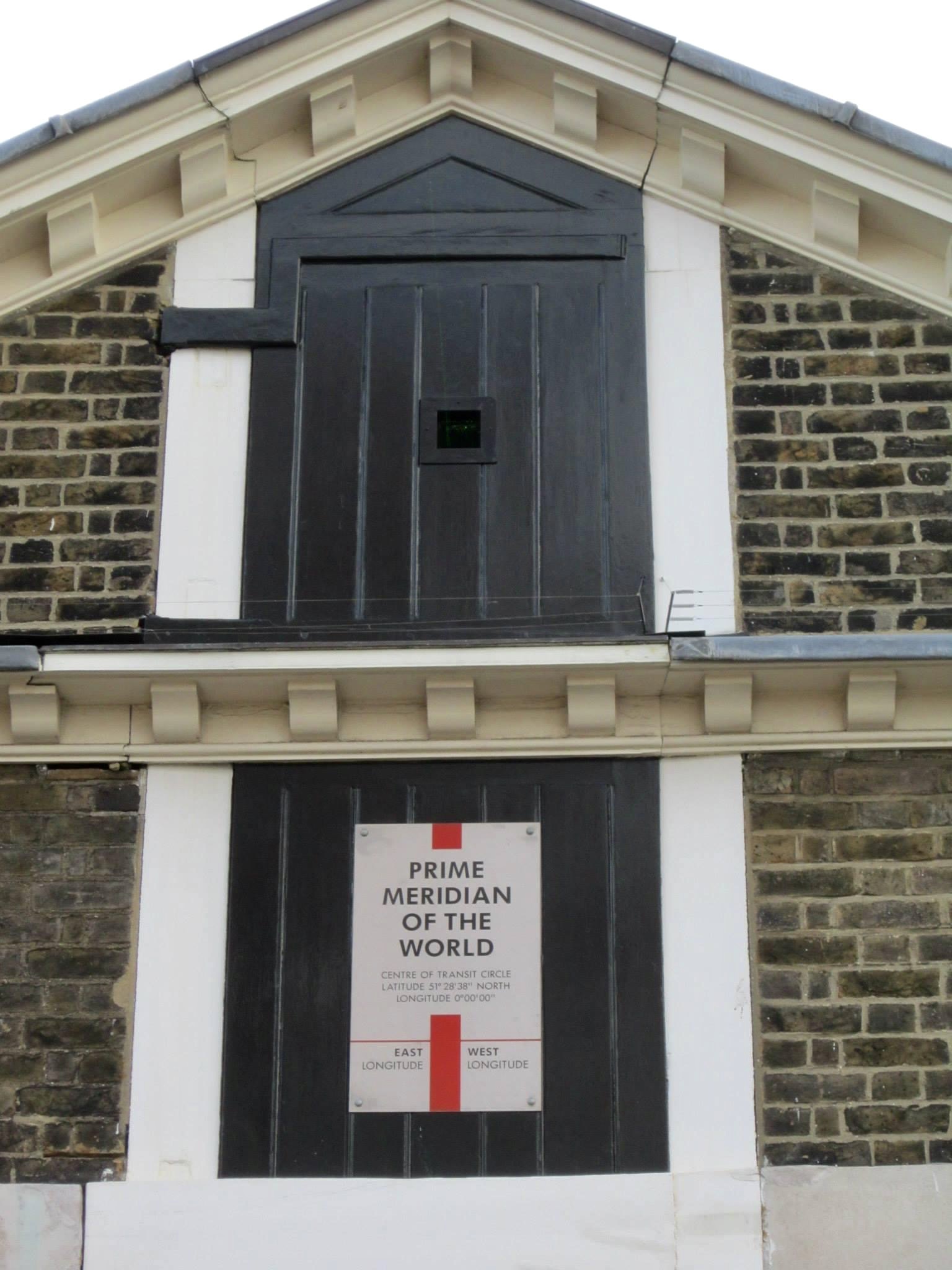
The line they drew is called the Prime Meridian. It runs from the North Pole to the South Pole and passes directly through the Observatory courtyard. You can stand on it — one foot in the eastern hemisphere, one in the western. The photo feels slightly absurd. But what you are standing on is one of the most consequential agreements in the history of human organisation.
What Greenwich Actually Is
Most visitors imagine Greenwich as a far-flung suburb. It is not. The Thames Clipper river bus runs from Westminster and Embankment and takes around 40 minutes — giving you views of Tower Bridge, Canary Wharf, and the O2 Arena along the way. The DLR to Cutty Sark station takes around 20 minutes from Bank.
When you arrive, the scale of the place surprises you. The twin domes of the Old Royal Naval College face the river. Behind them, the hill rises through a park designed by André Le Nôtre — the same landscape architect who laid out the gardens at Versailles. At the top: the Observatory.
The borough is one of only three in London to carry the “Royal” designation. It earned this through centuries of being the home of Tudor monarchs. Henry VIII was born here. Elizabeth I was born here. The Palace of Placentia that stood on this riverbank was the birthplace of two of England’s most powerful rulers, and its stones were eventually used to build the Royal Naval College you see today.
Standing at the Centre of the World
The Royal Observatory is split into two experiences. The outer courtyard, where the Prime Meridian Line is marked on the ground, is free to enter during the day. Full access to the interactive galleries and the planetarium costs around £18 for adults.
The hill itself is one of the best viewpoints in London. Looking north from the Observatory, you can see Canary Wharf, the Dome, and on a clear day, far into the Essex countryside. Looking south: Greenwich Park, one of London’s oldest royal parks, laid out in formal French style in the 1660s.
The Observatory was built to solve a specific, lethal problem: sailors dying because they could not calculate their longitude. Flamsteed, the first Astronomer Royal, worked in this building for 43 years, mapping the stars so that British ships could find their way home. That quiet, persistent work eventually helped shape the system by which the entire world navigates.
Enjoying this? 3,000+ London lovers get stories like this every week. Subscribe free →
Britain’s Greatest Free Ceiling
Walk back down the hill and past the college buildings. Most visitors walk straight past the entrance to the Painted Hall — and miss one of the most extraordinary rooms in Britain.
The Painted Hall took artist James Thornhill 19 years to complete. The ceiling is vast, allegorical, and deeply dramatic: kings, gods, and naval victories rendered in Baroque style across every inch of surface. When it was finished, the room served as a dining hall for naval pensioners — old sailors who ate their meals beneath a swirling vision of British maritime power.
After the Battle of Trafalgar in 1805, Nelson’s body was brought here and lay in state for three days. Thousands queued along the riverbank to pay their respects. The room built to impress had become the setting for one of the most mourned moments in English history.
Entry is free. We have written about the hall in more detail here — London’s greatest painted ceiling, and why almost nobody goes.
Ships, Science, and the Sea
Down at river level, Greenwich has two more outstanding stops.
The National Maritime Museum is the largest maritime museum in the world and, like most of the best things in Greenwich, it is completely free. The collections cover 500 years of Britain’s relationship with the sea. The uniform Nelson wore at Trafalgar is here, with the hole where the bullet entered. There are navigational instruments, ships’ charts, and scale models of vessels that once ruled entire oceans.
A few minutes’ walk towards the river is the Cutty Sark — a Victorian tea clipper built in 1869, preserved in a purpose-built glass enclosure. She was designed to be the fastest ship on the China tea run. You can walk beneath her hull, suspended above you in the glass structure, and board the decks. The ship has been here since 1954 but feels as though she might still sail.
How to Plan Your Greenwich Visit
Greenwich rewards an early start. The Greenwich Market — a Victorian covered market — runs every day and is best before 11am for food, crafts, and vintage finds. Have something to eat here before starting on the hill.
A suggested sequence: Market → Painted Hall (free, allow 45 minutes) → Cutty Sark if you want to board the ship (allow an hour) → National Maritime Museum (free, one to two hours) → walk up through the park to the Observatory → the view from the top → back down to the pier for the river boat home.
If you are planning a broader trip to London, our 3-day London itinerary covers how to fit a Greenwich half-day into your first visit — alongside the central London highlights that are hardest to miss.
Frequently Asked Questions
Is Greenwich worth visiting from central London?
Yes — the journey takes 20 to 40 minutes depending on whether you take the DLR or the river bus. Greenwich holds enough for a full day. The Observatory, Painted Hall, National Maritime Museum, Cutty Sark, and Greenwich Market are all within easy walking distance of each other. Most of the major attractions are free of charge.
How much does it cost to visit the Royal Observatory in Greenwich?
Standing on the Prime Meridian Line and exploring the outer courtyard is free and open during the day. Full access to the interactive galleries and the planetarium costs around £18 for adults. The Painted Hall and the National Maritime Museum are both completely free to enter.
What is the best way to get to Greenwich from central London?
The Thames Clipper river bus from Westminster or Embankment is the most scenic route and takes around 40 minutes. The Elizabeth line to Canary Wharf, then the DLR to Cutty Sark station, is faster at around 20 to 25 minutes. Both routes drop you within a few minutes’ walk of the main attractions.
Can you actually stand on the Prime Meridian Line at Greenwich?
Yes — the line is marked on the ground in the Royal Observatory courtyard and is accessible for free during opening hours. You stand with one foot in the eastern hemisphere and one in the western. It is a small moment that carries a surprisingly large weight once you understand what it represents.
🇬🇧 25 Hidden Gems of London Most Tourists Never Find
From secret riverside walks to hidden Victorian tunnels, centuries-old pubs to rooftop gardens with skyline views — our free guide reveals the London most visitors never discover. Join 3,000+ London lovers who get it free.
Get Your Free London Hidden Gems Guide →📲 Know someone who’d love this? Share on WhatsApp →
Love more? Join 65,000 Ireland lovers → · Join 43,000 Scotland lovers → · Join 29,000+ Italy lovers →
Free forever · Unsubscribe anytime
Subscribe Free