
Planning your first visit to the British capital? These London travel tips for Americans will save you from the classic mistakes — and help you arrive feeling prepared, not panicked. London is one of the world’s great cities, and it rewards visitors who understand a few key differences before they land. This guide covers everything from money and transport to etiquette and plug adaptors.
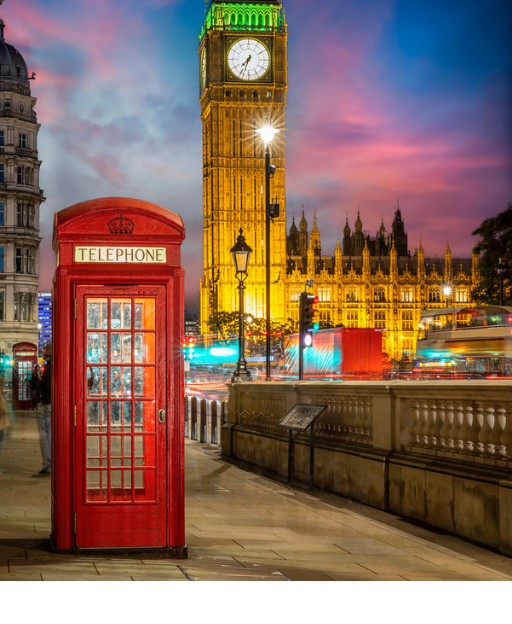
London Travel Tips for Americans: The Essential Basics
London looks familiar to Americans — the language, the culture, the coffee shops. But there are real differences that catch first-timers off guard. Knowing what to expect means you spend your time enjoying the city, not puzzling over it.
Everything Runs on Pounds, Not Dollars
The currency is the British pound (£). Dollars are not accepted anywhere in the city. Get some pounds before you travel, or withdraw from a cash machine (that’s the ATM) when you arrive.
Your US debit card will work at most ATMs. Visa and Mastercard are accepted almost everywhere. American Express has patchy acceptance at smaller restaurants and markets, so carry a Visa or Mastercard as your backup.
Check your bank’s foreign transaction fees before you leave. Some US banks charge 3% on every purchase abroad. Cards like Charles Schwab or Wise are popular with regular travellers because they waive foreign fees entirely.
Tipping Is Lower Than You Think
Tipping culture in London is far more relaxed than in the United States. At restaurants, 10–12.5% is standard. Many restaurants add a service charge automatically — check your bill before adding extra.
You do not tip in pubs when ordering drinks at the bar. You do not tip taxi drivers as a rule, though rounding up is appreciated. Tipping hotel housekeeping is optional and uncommon. Nobody will think poorly of you for not leaving a tip where one isn’t expected.
Getting Around London: Transport Tips
Transport is one area where London genuinely excels. The city has one of the best public transport networks in the world. For the full breakdown of your options, see our complete guide to getting around London. Here are the essentials every American needs to know.
The London Underground — or “The Tube”
The Tube is London’s underground rail network. It has 11 lines, covers most of the city, and runs from around 5am until midnight. Trains on the Circle, Jubilee, Northern, Piccadilly, and Victoria lines run 24 hours on Friday and Saturday nights.
Each line has its own colour on the map. Download the TfL Go app before you travel — it gives you real-time departure information and step-free access routes if you need them.
Use Contactless or Get an Oyster Card
You no longer need to buy a paper ticket to use the Tube. Simply tap your contactless card or phone at the yellow reader when you enter and exit the station. The system calculates the correct fare automatically.
If your US bank charges foreign transaction fees, get an Oyster card at any Tube station. Top it up with pounds and tap in and out the same way. Either method works — contactless is simply more convenient if your card is fee-free.
One critical rule: always tap OUT as well as in. If you forget to tap out, you’ll be charged the maximum fare for the journey.
Avoid Driving in Central London
Do not rent a car for central London. Traffic is dense, parking is expensive, and you will spend more time circling than sightseeing. There is also a Congestion Charge for driving in the central zone between 7am and 6pm on weekdays.
If you do hire a car anywhere in the UK, remember that British drivers drive on the left side of the road. The driver’s seat is on the right. This takes adjustment, especially at roundabouts. Most Americans who plan to drive outside London are fine — just take the first few roundabouts slowly.
Getting from the Airport to Central London
London has six airports, but most transatlantic flights from the US arrive at Heathrow or Gatwick. Here’s what to know about each.
Heathrow: The Elizabeth Line Changes Everything
Heathrow is the main arrival hub for US flights. The Elizabeth line (opened in 2022) now connects Heathrow directly to central London in under 40 minutes. Trains run every 10 minutes and stop at Paddington, Bond Street, Tottenham Court Road, and Liverpool Street.
You can use your contactless card or Oyster on the Elizabeth line — no separate ticket needed. A one-way journey from Heathrow to central London costs roughly £12–14 depending on your destination zone.
The Heathrow Express is faster (15 minutes to Paddington) but costs around £22–25. It’s worth paying for if you’re in a rush. For most travellers, the Elizabeth line is the better value option.
Gatwick and Other Airports
Gatwick is about 30 miles south of the city. The Gatwick Express runs to Victoria station in around 30 minutes and costs about £20 one way. There are also slower Southern rail services that cost less.
Stansted and Luton are further out. Both have rail connections to central London that take 45–60 minutes. If you arrive at either of these, allow extra time in your schedule for the journey into the city.
Taxis and rideshares (Uber operates in London) are available at all airports, but can cost £50–90 depending on traffic and distance. They’re fine for late arrivals when trains run less frequently, but not necessary during normal hours.
Practical Things to Sort Before You Leave Home
A few small preparations make a big difference on arrival day. These are the things that catch Americans out most often.
Plug Adaptors Are Essential
The UK uses Type G plugs — three rectangular pins in a triangular layout. These are completely different from US plugs. Your US devices will not connect to British sockets without an adaptor.
Buy a UK travel adaptor before you travel — they’re cheaper on Amazon than at the airport. Most US electronics (laptops, phone chargers, shavers) work on both 110V and 240V, so you just need the physical adaptor, not a voltage converter. Check the label on your device to confirm.
Mobile Data: International Plans or a Local SIM
Many US carriers now offer international day passes that activate automatically when you use your phone abroad. Check with your carrier before you travel — AT&T, T-Mobile, and Verizon all have options. T-Mobile’s Magenta plans include international data at no extra cost.
If you’re staying more than a week, buying a UK SIM card is often cheaper. You can pick one up at Heathrow arrivals or any supermarket in the city. Three UK and Vodafone both offer affordable prepaid options with generous data allowances.
Travel Insurance Is Worth the Cost
The UK’s National Health Service (NHS) provides emergency care to overseas visitors, but you may be charged for non-emergency treatment. Travel insurance covers medical costs, trip cancellation, lost luggage, and flight delays. The cost is usually 4–8% of your total trip cost. It’s worth it.
London Etiquette: Small Things That Matter
Londoners are polite by nature. They appreciate visitors who make the effort to follow local customs. None of this is complicated — but getting it right earns you goodwill everywhere you go.
Stand on the Right on Escalators
This is the single most important rule on the Tube. Stand on the right side of the escalator so people in a hurry can walk past on the left. Breaking this rule will earn you impatient sighs from commuters. You will see signs reminding you — take them seriously.
Queuing Is Sacred
British people queue for everything — bus stops, museums, coffee shops, and tourist attractions. Join the back of the queue and wait your turn. Pushing in front of others (known as queue-jumping) is deeply frowned upon and will draw hostile stares.
Say “Toilet,” Not “Bathroom”
In the UK, people ask for “the toilet” or “the loo” — not the “bathroom” or “restroom.” Saying bathroom will get you understood, but it marks you immediately as a tourist. Most restaurants and pubs have free toilets for customers. Public toilets in central London often charge a small fee (usually 50p).
Other useful vocabulary: “chips” are fries, “crisps” are chips, a “biscuit” is a cookie, and “football” means soccer. A “jumper” is a sweater. These won’t trip you up on a first visit, but they’re fun to know.
Neighbourhoods Worth Knowing Before You Arrive
London is enormous — over 600 square miles spread across 32 boroughs. Each neighbourhood has its own character and atmosphere. Before you book your accommodation, it’s worth understanding the city’s geography.
Westminster and the South Bank are where you’ll find the classic landmarks — Big Ben, Westminster Abbey, the Tate Modern, and the London Eye. Soho and Covent Garden sit at the heart of the West End, full of theatres, restaurants, and bars. Shoreditch and Brick Lane in East London are creative and buzzy, with street food markets and independent galleries. Notting Hill and Chelsea offer quieter, leafier streets with high-end boutiques and charming cafés.
Greenwich, to the south-east, is where time itself begins — the Prime Meridian runs through the Royal Observatory. It’s a wonderful half-day trip from central London and easy on the Elizabeth line or Jubilee line.
For detailed help on where to base yourself, read our guide to the best areas to stay in London for first-time visitors. And if you want to make the most of your time, our 5-day London itinerary for first-timers plans it all out for you, day by day.
Making the Most of London’s Free Attractions
One of the best surprises London has for American visitors is how many world-class attractions are completely free. The British Museum, the National Gallery, the Victoria and Albert Museum, the Natural History Museum, Tate Modern, and the National Portrait Gallery all charge nothing for general admission.
This is not the norm in the US, where most major museums charge entry fees. In London, free museums are a long-standing public tradition. You can spend an entire week visiting world-class collections and pay nothing at the door.
For the full list of what’s free and how to plan around it, see our complete guide to London’s free museums for US visitors. For budget planning, check our guide on how much a trip to London costs.
🇬🇧 25 Hidden Gems of London Most Tourists Never Find
From secret riverside walks to hidden Victorian tunnels, centuries-old pubs to rooftop gardens with skyline views — our free guide reveals the London most visitors never discover. Join 3,000+ London lovers who get it free.
Get Your Free London Hidden Gems Guide →Love more? Join 64,000 Ireland lovers → · Join 43,000 Scotland lovers → · Join 30,000 Italy lovers →
Free forever · Unsubscribe anytime
Subscribe Free