
How to Get Around London: A Complete Transport Guide for US Visitors
Knowing how to get around London is the single most useful thing you can learn before your trip. The city is large, busy, and full of one-way streets that confuse sat-navs. But London has one of the best public transport networks in the world. Once you understand the basics, you will feel confident from day one. This guide covers everything — the Tube, buses, taxis, cycling, and even the best routes on foot — so you arrive knowing exactly what to do.
Why London’s Transport Network Is Better Than You Think
Many Americans arrive expecting chaos. They have heard about delays and crowded carriages. The reality surprises them. London’s transport system — run by Transport for London (TfL) — connects nearly every corner of the city. It runs from before 5am until after midnight on most lines. On Fridays and Saturdays, the central Tube lines run all night.
You do not need to hire a car. You do not need to take expensive taxis everywhere. Most visitors manage the entire trip using just the Tube, buses, and their own two feet. The key is knowing how the system works before you step off the plane.
How to Get Around London on the Underground (the Tube)
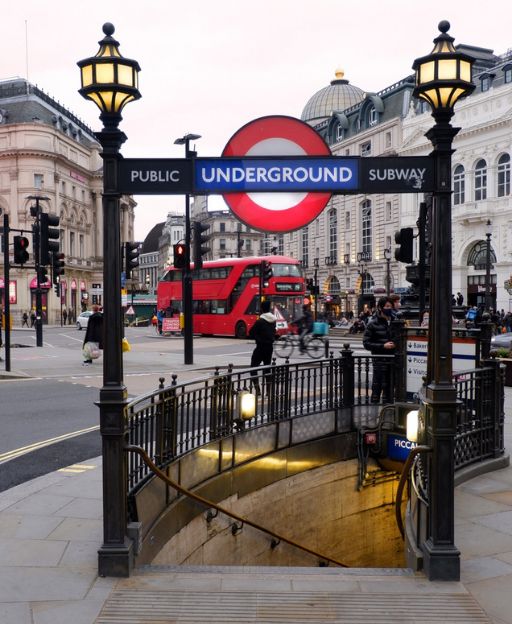
The London Underground — called the Tube by everyone who lives here — is the fastest way to move across the city. It has 11 lines, over 270 stations, and covers everywhere from Heathrow Airport to Greenwich. For most journeys, it beats everything else.
Get an Oyster Card or Use Contactless Payment
Forget paper tickets. Almost nobody uses them any more. The easiest way to pay for the Tube is with a contactless bank card or phone payment. Your American Visa or Mastercard will work at the yellow readers at every gate. Tap in when you enter, tap out when you leave.
Alternatively, pick up an Oyster card. You can get one at any Tube station from a machine or a ticket window. Load it with credit and use it in the same way. The Oyster card has one important advantage — a daily price cap. Once you reach the cap for your zone, you travel free for the rest of the day. This protects you from accidentally overpaying on a busy sightseeing day.
Understanding Tube Zones
The Tube divides London into six concentric zones. Zone 1 covers central London — the areas most visitors spend their time. Zone 2 starts just outside that, covering places like Brixton, Hackney, and Notting Hill Gate. Zones 3 to 6 reach the outer suburbs.
Most of your journeys will be in Zones 1 and 2. A single journey in Zone 1 costs around £2.80 with Oyster or contactless. The daily cap for Zones 1–2 is roughly £8.10 — far cheaper than a taxi across town. If you stay within the zones that cover all the main sights, costs stay very manageable.
Peak Hours to Avoid
Morning rush hour runs from around 7:30am to 9:30am. Evening rush is 5pm to 7pm. During these times, central Tube stations get extremely crowded. If you are sightseeing, try to start your day before 8am or after 10am. You will have a much more comfortable journey and pay off-peak fares on some lines.
Getting Around London by Bus
The red double-decker bus is one of London’s most iconic sights. It is also one of the most useful ways to explore the city. Buses go everywhere the Tube does not. They are slower, but they move above ground — so you actually see London as you travel.
How to Pay for the Bus
Cash is not accepted on London buses. You pay with Oyster, a contactless bank card, or a contactless phone. The fare is flat — a single journey anywhere in London costs £1.75. If you take three or more buses within one hour, you only pay once. This is called the Hopper fare.
Bus stops show the route number, destination, and a live countdown to the next bus. Google Maps works perfectly for planning bus journeys. Type in your destination and choose “transit” — it will tell you exactly which bus to take, where to board, and where to get off.
The Best Bus Routes for Sightseeing
Some bus routes give you a front-row view of London’s landmarks at a fraction of the cost of a tour. Bus 11 travels from Victoria through Westminster, along the Strand, and past St Paul’s Cathedral. Bus 15H runs between Trafalgar Square and the Tower of London along the Embankment. Bus 188 connects Russell Square to Greenwich — useful if you plan to visit the Royal Observatory or the Cutty Sark.
Sit on the top deck. The views from the upper level of a double-decker are genuinely spectacular, especially in central London.
🇬🇧 25 Hidden Gems of London Most Tourists Never Find
From secret riverside walks to hidden Victorian tunnels, centuries-old pubs to rooftop gardens with skyline views — our free guide reveals the London most visitors never discover. Join 3,000+ London lovers who get it free.
Get Your Free London Hidden Gems Guide →Getting from Heathrow Airport to Central London
Most visitors from the US arrive at Heathrow. You have several options for reaching the city centre.
The Elizabeth line (formerly Crossrail) is the fastest and easiest. Trains depart from Heathrow’s underground station and reach Paddington in about 25 minutes. From Paddington, you connect directly to every part of the city. Pay with contactless — no ticket needed.
The Piccadilly line is slower (around 50–60 minutes to central London) but cheaper. It serves almost every terminal and runs frequently throughout the day and night. If you are not in a hurry and have manageable luggage, this is the budget-friendly choice.
The Heathrow Express train links Heathrow to Paddington in 15 minutes. It is the fastest option but more expensive — around £25 one way. Book in advance online for a lower fare. If speed matters (early morning flight, heavy schedule), it is worth the cost.
A taxi or private hire car from Heathrow to central London typically costs £50–£80, depending on traffic and destination. This makes sense if you are travelling in a group or arriving late at night with heavy bags.
Taxis and Ride-Sharing in London
London’s famous black cabs are licensed, safe, and the drivers know the city inside out. They pass a gruelling test called The Knowledge — it takes years of study and proves they can navigate anywhere in London without a sat-nav. You can hail a black cab on the street when the orange light is on. Payment by card is accepted in all black cabs.
Uber operates throughout London and is usually cheaper than black cabs for longer journeys. Bolt and FREE NOW are popular alternatives. All work exactly as they do in US cities — book through the app, pay by card. For short city-centre trips, the Tube or bus is almost always faster than any car during peak hours.
If you plan to hire a private driver for a full day of sightseeing — for example, if you want to visit Windsor Castle or the Cotswolds — book in advance through a reputable company. You will find this useful in our guide to the best day trips from London.
Walking Around London
London is a walking city. Many of its best moments happen on the streets between the famous sights. The distance between Trafalgar Square and the Houses of Parliament is a 15-minute walk along the Embankment. From Tower Bridge to Borough Market takes under 10 minutes on foot. You will often find that walking is faster — and far more enjoyable — than waiting for a Tube or flagging down a taxi.
Google Maps works well for walking routes. So does the Citymapper app, which Londoners use for all forms of transport. Download one of these before you arrive.
Keep left on escalators and pavements. Londoners move fast. If you stop suddenly on a busy pavement, you will cause a minor human pile-up. Step to the side if you need to check your map.
If you want to see more of the city on foot, our London neighbourhood guide will help you plan which areas to explore. Many of them — Shoreditch, South Bank, Greenwich, Camden — are best discovered on foot rather than by Tube.
Cycling and Electric Scooters
Santander Cycles — the blue hire bikes scattered across central London — are easy to use and affordable. Pay at the docking station with a card. Take a bike, ride for up to 30 minutes, return it to any docking station. Pay again if you need longer. This works well for flat routes along the Thames Embankment or through Hyde Park.
Electric scooters are available through licensed operators in certain parts of London. They are not legal to ride on pavements. Stick to the cycle lanes if you use one.
Cycling in busy central London requires confidence. If you are not a regular urban cyclist, stick to the quieter parks and riverside paths. The Embankment between Westminster Bridge and Tower Bridge is one of the best flat cycling routes in the city.
Practical Tips for Getting Around London
A few things to keep in mind before you travel:
- Download Citymapper before you arrive. It gives real-time updates on every form of transport across the city.
- Always tap out when leaving a Tube station. If you forget, TfL charges you a maximum fare for the journey. This catches many visitors off guard.
- Stand on the right on escalators. Walk on the left. This is taken very seriously by Londoners.
- Night Tube runs on Fridays and Saturdays on the Central, Jubilee, Victoria, Northern, and Piccadilly lines. Very useful if you are out late.
- Buses and Tube are very reliable outside peak hours. Expect occasional delays during morning and evening rush.
For more on budgeting your visit, including estimated daily transport costs, see our full guide on how much a trip to London costs for US travellers. And if you are planning what to do once you arrive, our guide to London’s free museums shows you how much is genuinely free in this city.
Frequently Asked Questions
How do I get around London as a tourist?
The best way to get around London is to combine the Tube with walking and occasional buses. Use Oyster or a contactless bank card to pay — it is cheaper than buying paper tickets. Download the Citymapper app for real-time journey planning across all transport types.
Is the London Underground easy to use for first-time visitors?
Yes. The Tube is colour-coded and clearly signposted throughout. Each line has its own colour on the map, and every platform displays the direction of travel. Most visitors feel comfortable on the Tube within their first day in the city.
Do I need an Oyster card or can I use my US credit card?
You can use your US credit or debit card directly on Tube gates and bus readers, provided it supports contactless payment. No Oyster card is required. However, if your card charges foreign transaction fees, an Oyster card loaded with sterling is the more cost-effective option.
What is the cheapest way to get from Heathrow to central London?
The cheapest option is the Piccadilly line on the Tube. It takes around 50–60 minutes from Heathrow to central London and costs roughly £6 with an Oyster card. The Elizabeth line is faster (25 minutes to Paddington) and slightly more expensive but still very affordable compared to taxis.
Join 3,000+ London Lovers
Every weekday morning, get London’s hidden gems, local secrets, and travel inspiration — the kind you won’t find in any guidebook.
Subscribe free — enter your email:
Love more? Join 64,000 Ireland lovers → · Join 43,000 Scotland lovers → · Join 30,000 Italy lovers →
Free forever · Unsubscribe anytime
Subscribe Free