
Tate Britain London is the home of British art from 1500 to today, and it is free to walk in. It sits on Millbank, beside the Thames, about a 15-minute walk from Westminster Abbey. This guide shows you how to plan a visit, what to see first, and how to fit it into a day.
Why visit Tate Britain London?
Tate Britain tells the story of British art through the paintings themselves. You walk through five centuries of portraits, landscapes, sculpture and modern work, mostly in one building. The rooms follow time, so you can start in the Tudor and Stuart courts and finish in the present day.
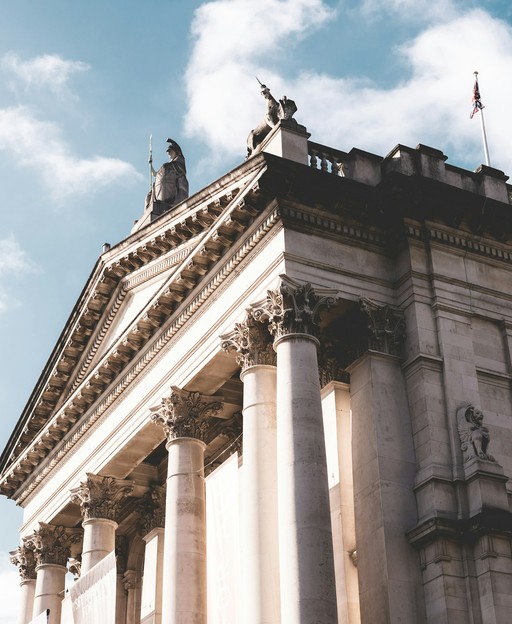
The building has its own story. It opened in 1897 as the National Gallery of British Art. It became the Tate Gallery in 1932 and took the name Tate Britain in 2000. Look up as you arrive. The classical portico has tall columns, and statues stand on the roof above them.
For US visitors, the appeal is simple. The collection is easy to follow, the building is grand, and you do not need a ticket for the main displays. Special exhibitions are different, so check Tate’s official Tate Britain page before you go.
How to get to Tate Britain
The address is Millbank, in the Westminster area of central London. Pimlico station on the Victoria line is the nearest Tube stop, and the walk takes around ten minutes. Vauxhall and Westminster stations also work, and both are a longer walk. Several bus routes stop on Millbank as well.
Use the Transport for London journey planner on the day, because Tube and bus services change. If you stay near Victoria, you can walk to the gallery in about 20 minutes.
Arriving by river
Tate runs a river link between its two London galleries. It connects Tate Britain with Tate Modern on the South Bank. See the Tate Boat page for current times and tickets. A river trip is a good way to link the two galleries in one day.
Planning more of London?
Get weekly London stories and planning ideas, free. Join the Love London newsletter →
What to see at Tate Britain
The collection is large, so pick a few rooms and enjoy them. These are good starting points for first-time visitors.
Turner and the landscape painters
J.M.W. Turner left a huge body of work to the nation, and Tate Britain keeps much of it. His glowing skies and stormy seas are among the most famous pictures in British art. Constable and Gainsborough give you a calmer view of the English countryside, so you can compare the three styles in one visit.
The Pre-Raphaelites
The Pre-Raphaelite painters of the 1800s used bright colour and fine detail. Millais painted Ophelia, which hangs at Tate Britain and draws a crowd. Look closely at the flowers and the water. Every leaf shows how much time the painters spent on their work.
Blake, Hogarth and earlier British painters
William Blake made strange and powerful pictures, and Hogarth painted sharp scenes of London life in the 1700s. The earlier rooms show portraits from the Tudor and Stuart courts. They help you see how British art grew before the grand landscapes arrived.
Modern and contemporary British art
The later rooms cover the 20th century and today. You can find works by Francis Bacon, David Hockney and Barbara Hepworth. The display changes from time to time, so see what is on at Tate Britain for the current exhibitions.
The Duveen Galleries
A long central hall runs through the building and holds large sculpture. It makes a good place to rest your eyes between painting rooms. Take a photo down the length of the hall, then move on.
How long to spend at Tate Britain
Allow two hours for a focused visit. That gives you time for Turner, the Pre-Raphaelites and one or two other rooms. Art lovers can fill half a day with ease. If you have kids with you, plan a shorter stay and choose the colourful rooms first.
Go early on a weekday for the quietest rooms. Weekends and school holidays are busier, especially near the best-known paintings. Check the opening hours on Tate’s official Tate Britain page, because they can change.
A simple half-day plan
- Start with coffee and a quick look at the portico outside.
- Spend about 90 minutes in the main collection rooms, beginning with Turner.
- Take a break at the gallery restaurant or cafe.
- Finish in the Duveen Galleries, then walk along the river.
Best time to visit Tate Britain London
The gallery works in every season, which is why it suits a winter trip. Dark afternoons in November and December are a good time to be indoors, and the rooms are warm. In spring and summer, you can pair the visit with a walk along the Thames Path outside.
Late afternoon is often calmer than midday. Many visitors head for the big sights first, so the galleries thin out later in the day. Always check the closing time on the official page before you plan an evening visit.
Eating and resting at Tate Britain
The gallery has a restaurant and cafes. The restaurant is known for its long mural by Rex Whistler, painted for the room in the 1920s. Check the gallery site for menus and booking details, since these change. You can also leave the building and eat in Pimlico or Westminster, which have plenty of pubs and cafes.
What to combine with Tate Britain
Millbank is close to many of London’s big sights, so you can build a full day around it. Here are three good pairings.
- Walk north along the river to Westminster, then read our guide to Westminster Abbey and its coronations.
- Take the river boat to Tate Modern, then visit the Sky Garden for city views.
- Pair it with the National Gallery on another day for a wider look at European painting.
You can also plan your royal sights with our Buckingham Palace planning guide, since the palace is a short ride from Millbank.
Tips for US visitors at Tate Britain
- Check the official site for opening hours and exhibition tickets before you travel.
- Wear comfortable shoes. The galleries are large, and the floors are hard.
- Bring a light bag. Large bags may need to go to a cloakroom.
- Look for free talks and tours on the what’s-on page.
- Visit on a weekday morning if you want space around the famous pictures.
London weather changes fast, so treat Tate Britain as a good wet-day plan. It also works well after a long flight, because the rooms are warm, quiet and easy to follow.
Tate Britain London FAQ
Is Tate Britain free to enter?
General entry to the main collection displays is free. Special exhibitions usually need a ticket, so check Tate’s official Tate Britain page before you go.
How long do you need at Tate Britain?
Two hours is enough for the highlights of Tate Britain London. Art fans can easily stay half a day.
What is the nearest Tube station to Tate Britain?
Pimlico, on the Victoria line, is the nearest Tube station, about ten minutes on foot. Vauxhall and Westminster are also within walking distance.
What is the difference between Tate Britain and Tate Modern?
Tate Britain shows British art from 1500 to the present, and it sits on the north bank of the Thames at Millbank. Tate Modern shows international modern and contemporary art in a former power station on the South Bank.
Planning London? Start with our free planner
What to see, in what order, and what to skip, in one printable PDF. Enter your email and we will send it.