
The Tower of London is one of the most visited historic sites in the world — and one of the most rewarding. This ancient fortress on the north bank of the Thames has stood for nearly 1,000 years, serving as a royal palace, a prison, a place of execution, and now a UNESCO World Heritage Site. This Tower of London guide covers everything US visitors need to plan a smooth, memorable visit.
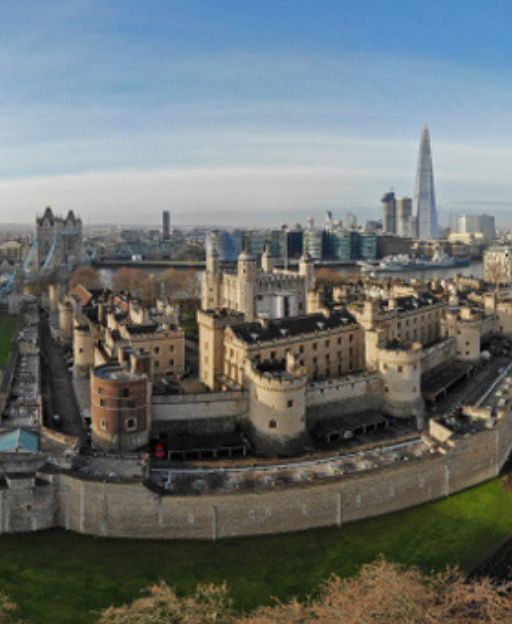
What Is the Tower of London?
William the Conqueror built the Tower of London in 1078, shortly after his victory at the Battle of Hastings. He chose a site on the north bank of the Thames to control river access to the city. The central structure — the White Tower — still stands today, surrounded by layers of walls, towers, and moats added over the following centuries.
The complex covers nearly five acres and contains 22 towers. Over its 1,000-year history, it has held prisoners as famous as Anne Boleyn, Sir Walter Raleigh, and Guy Fawkes. Today, it is home to the Crown Jewels, the ceremonial Yeoman Warders (known as Beefeaters), and six resident ravens whose presence — according to legend — keeps the monarchy safe.
What to See: Your Tower of London Guide to the Highlights
The Tower contains more than most visitors expect. Plan your time around these key highlights.
The Crown Jewels
The Crown Jewels are the unmissable centrepiece of any visit. The collection sits inside the Jewel House and includes over 100 objects used in royal ceremonies — crowns, sceptres, orbs, swords, and rings.
The Imperial State Crown is the most famous piece. It holds 2,868 diamonds and includes several historic gems, among them the Black Prince’s Ruby, a large spinel with roots in 14th-century Spain. Moving walkways carry visitors past the main display cases, but you can step off for a longer look from the viewing galleries. Arrive early — this section draws the biggest queues.
The White Tower
The White Tower is the oldest and tallest structure in the complex, standing 27 metres high. Inside, you will find the Line of Kings exhibition, which displays royal armour from the 16th century onwards, including two suits worn by Henry VIII at different points in his life. The contrast between the young king’s slim early suit and the later broad-shouldered version tells its own story.
The Chapel of St John the Evangelist sits on the second floor of the White Tower. Built in 1080, it is one of the finest surviving examples of Norman architecture in England. Step inside for a few quiet minutes — it is a calm contrast to the busy courtyards outside.
The Yeoman Warders (Beefeaters)
The Yeoman Warders are the ceremonial guardians of the Tower. There are currently 37 of them, all ex-military personnel who must have completed at least 22 years of service before they can apply. They live inside the Tower with their families — making the complex one of the most unusual residential communities in London.
Free guided tours run throughout the day, led by a Yeoman Warder. The tours last around an hour and cover the Tower’s most dramatic episodes — executions on Tower Green, famous escapes, and the fate of the Princes in the Tower. The tours are theatrical, funny, and full of detail you will not find on an information board. Check the daily schedule posted at the main entrance when you arrive.
The Ravens
Charles II issued a royal decree that the Tower must always keep at least six ravens. A legend holds that if the ravens ever leave, the Tower — and the Crown — will fall. Whether you believe the legend or not, the ravens are a genuine highlight of any visit.
A dedicated Ravenmaster cares for the birds full time. Current residents include Jubilee, Harris, Edgar, and Gripp. Their wings are clipped to prevent escape, but they wander the courtyards freely. You can often get quite close to them, though the Ravenmaster’s advice is to keep your fingers well away.
The Bloody Tower and Famous Prisoners
The Tower held some of history’s most famous prisoners. Henry VIII imprisoned Anne Boleyn here in 1536, accused of treason and adultery. She was executed on Tower Green on 19 May 1536. Her ghost is said to still walk the Tower grounds.
The Bloody Tower takes its name from the suspected murder of the Princes in the Tower — Edward V and his brother Richard, Duke of York — who disappeared inside the complex in 1483. Their uncle, Richard III, seized power, and the boys were never seen again. Historians debate their fate to this day. You can visit the room where they were last known to live.
Sir Walter Raleigh spent 13 years imprisoned in the Bloody Tower under James I. During that time, he wrote his multi-volume History of the World — one of history’s more productive incarcerations.
Practical Planning: Tickets, Hours, and Getting There
Getting to the Tower of London
The closest Underground station is Tower Hill, on the District and Circle lines. From the station exit, the Tower entrance is a two-minute walk — follow the signage downhill towards the Thames.
Thames Clipper river boats stop at Tower Pier, right beside the Tower entrance. The journey from central London piers is a genuinely scenic alternative to the Tube. For a full breakdown of London’s transport options — Tube, bus, river boat, and Oyster card — see the Getting Around London guide.
Opening Hours
The Tower opens Tuesday to Saturday from 09:00, and on Sunday and Monday from 10:00. Last admission is typically at 17:00, with the site closing at 17:30. Hours vary slightly by season. Always check the Historic Royal Palaces website before you travel.
Admission Prices
Adult tickets cost around £34 to £37. Children under five enter free. Under-16s pay a reduced rate. Booking online in advance is cheaper than buying at the gate — and you skip the ticket queue on the day. If you plan to visit several paid attractions, check whether a London Pass makes financial sense for your trip. The London travel budget guide breaks down pass options and costs in detail.
How Long to Spend
Allow at least two to three hours. To join a Beefeater tour, see the Crown Jewels without rushing, explore the White Tower, and walk the outer walls, plan for four hours. Families with younger children should factor in extra time — the site is extensive and has uneven cobblestone paths throughout.
Best Time to Visit
Summer — particularly July and August — draws the largest crowds. Spring (April to early June) and autumn (September to November) offer much shorter queues and cooler conditions for walking around the site.
Within any given day, arrive at opening time and head straight to the Crown Jewels first. Queues for the Jewel House can reach an hour or more by mid-morning in peak season. Beat them by being at the gate when it opens at 09:00.
For a month-by-month breakdown of weather, crowds, and events across the city, read the Best Time to Visit London guide.
What Is Near the Tower of London?
The Tower sits in one of London’s most historically rich corners. A short walk in any direction brings you to major sights.
Tower Bridge stands immediately to the east — one of the most photographed structures in the world. Walk across its high-level glass walkways for views over the Thames (a separate ticket covers this), or photograph it from the riverbank below for free.
Borough Market is a 15-minute walk west, across London Bridge. One of the oldest food markets in London, it has artisan bread, specialist cheese, fresh produce, and street food stalls from around the world. It makes an excellent lunch stop after a morning at the Tower.
The South Bank — home to the Tate Modern, Shakespeare’s Globe, and the Southbank Centre — is a 20-minute walk west along the river and makes a natural afternoon addition to a morning at the Tower.
The narrow lanes and hidden courtyards between the Tower and Liverpool Street station are some of the most atmospheric corners of the old City. For ideas on what to find in this part of London and beyond, see London’s hidden gems.
Tips for US Visitors
- Book tickets online. It is cheaper than at the gate and saves you the ticket queue on arrival.
- Do not skip the Beefeater tour. It is free with admission and is one of the best guided experiences in London — theatrical, entertaining, and packed with history.
- Wear comfortable shoes. The site has extensive cobblestone areas. Supportive, flat footwear makes a big difference over three or four hours.
- Bring a layer. The passages and towers can feel cold even in summer.
- Download the Historic Royal Palaces app. It includes audio guides and interactive maps for the site.
- Check for evening events. The Tower occasionally runs special evening tours and candlelit experiences — worth checking the events calendar when you book.
If this is your first time visiting London, the complete guide to planning a London trip from the US covers flights, currency, transport passes, and which neighbourhoods to stay in.
Frequently Asked Questions
Is the Tower of London worth visiting?
Yes — the Tower of London is one of London’s most rewarding attractions for US visitors. The Crown Jewels alone justify the ticket price, and the free Beefeater guided tours add genuine historical depth. Allow at least three hours to explore the site properly.
How far is the Tower of London from central London?
The Tower of London sits about one mile east of London Bridge. Tower Hill Tube station is around 15 minutes from Victoria and roughly 25 minutes from Paddington. A Thames Clipper river boat from Embankment Pier takes around 20 minutes and offers good views of the riverbank along the way.
What is the best time to visit the Tower of London?
The best time to visit the Tower of London is early morning on a weekday, outside of July and August. Arrive when the gates open at 09:00 and head straight to the Crown Jewels before queues form. April, May, September, and October offer the best combination of manageable crowds and comfortable weather.
Can you take photos inside the Tower of London?
Photography is allowed in most areas — the courtyards, the White Tower, and most exhibition spaces. Inside the Jewel House, photography is not permitted near the Crown Jewels display. Guards enforce this strictly. All other areas of the site are open for photography.
🇬🇧 25 Hidden Gems of London Most Tourists Never Find
From secret riverside walks to hidden Victorian tunnels, centuries-old pubs to rooftop gardens with skyline views — our free guide reveals the London most visitors never discover. Join 3,000+ London lovers who get it free.
Get Your Free London Hidden Gems Guide →Love more? Join 64,000 Ireland lovers → · Join 43,000 Scotland lovers → · Join 30,000 Italy lovers →
Free forever · One email per week · Unsubscribe anytime