
Planning a trip to London from the US is easier than you might think. London is one of the world’s most visited cities, and American travellers make up a large share of its visitors every year. Whether you are dreaming of Big Ben, afternoon tea, or world-class museums, this guide covers everything you need before you book. From flights and visas to neighbourhoods and budgets, here is how to plan a trip to London from the US — step by step.
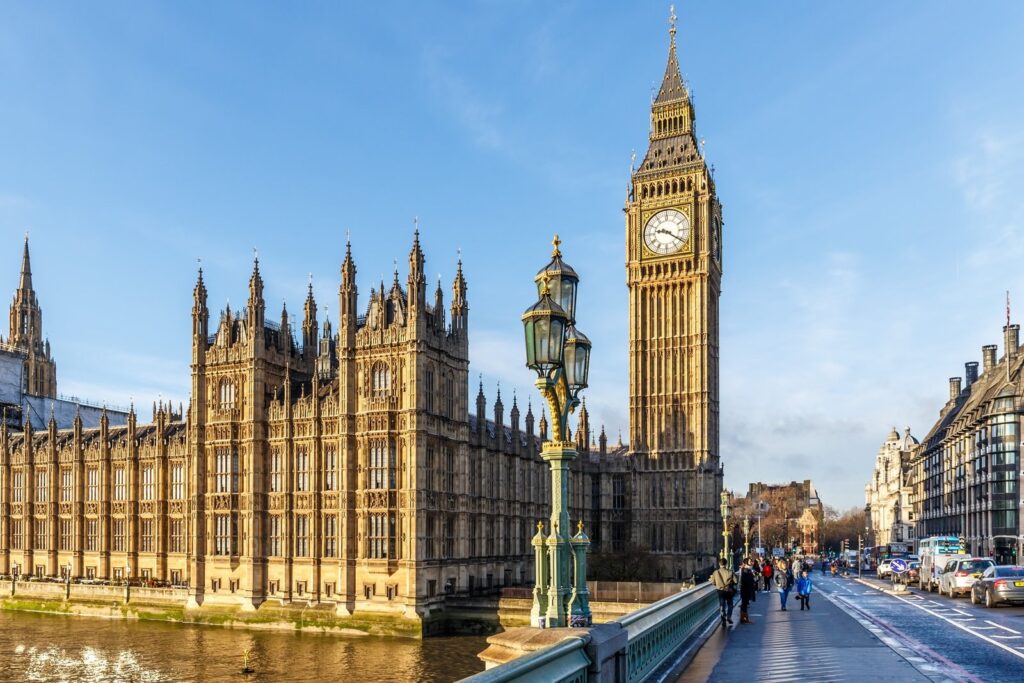
Do US Citizens Need a Visa to Visit London?
No — US citizens do not need a visa to visit the UK. You can travel to London as a tourist for up to six months without any advance visa or permission. All you need is a valid US passport.
Your passport must be valid for the duration of your stay. You do not need extra validity months beyond your travel dates, unlike some other countries. Bring proof of your return ticket and accommodation details if asked at the border. Most travellers pass through immigration without issues.
Electronic Travel Authorisation (ETA)
US visitors usually need a UK Electronic Travel Authorisation (ETA) before they travel. Think of it as the UK version of the US ESTA. You apply online or in the UK ETA app; check the current cost and how long a decision takes on GOV.UK, and apply only through the official site or app, as other websites may charge more. Our step-by-step UK ETA guide for US citizens walks you through it. Checked October 2026.
When Is the Best Time to Plan a Trip to London?
London welcomes visitors year-round. For most US travellers, late spring and early autumn offer the best balance of weather, crowd levels, and value.
Spring (March to May)
Spring is an excellent time to visit. The parks fill with blossom, the weather is mild, and the summer crowds have not yet arrived. Temperatures range from around 10°C to 18°C (50°F–64°F). Layers and a light jacket are essential.
Summer (June to August)
Summer is peak season. Hotels cost more, queues grow longer, and the city fills up. London in summer is genuinely beautiful though — long evenings, outdoor markets, and a lively atmosphere make it worth the extra planning. Book flights and accommodation three to four months ahead if you want reasonable prices.
Autumn (September to November)
September and October are arguably the best months to visit. Crowds thin after summer, prices fall, and the weather stays pleasant into October. The golden light across Hyde Park and along the Thames is spectacular at this time of year.
Winter (December to February)
Winter brings Christmas markets, ice rinks, and festively lit streets. London in December feels magical if you dress warmly. January and February are the quietest and cheapest months to visit — ideal for travellers on a tight budget who want to skip the crowds.
How to Fly from the US to London
Direct flights from major US cities to London run daily. New York (JFK and Newark) have the most connections, with flights taking around seven hours. Los Angeles is roughly 10–11 hours non-stop. Chicago, Boston, Miami, and Dallas all offer regular direct services.
Book at least two to three months ahead for the best fares. Prices spike during school holidays and peak summer weeks. Flying mid-week is often noticeably cheaper than flying on a Friday or Sunday.
Which London Airport Should You Fly Into?
London has five airports. Most transatlantic flights land at Heathrow (LHR), which sits to the west of the city. Heathrow has the best transport links — the Elizabeth line runs direct to central London in around 40 minutes. Gatwick (LGW) is south of the city and well connected by train. Stansted and Luton mainly serve budget European carriers. City Airport (LCY) is the closest to central London but handles fewer long-haul routes.
For most US visitors, Heathrow is the simplest choice. Read our full guide on getting from Heathrow to central London for step-by-step transport advice.
🇬🇧 25 London Places Most Visitors Miss
From secret riverside walks to hidden Victorian tunnels, centuries-old pubs to rooftop gardens with skyline views — our free guide reveals the London most visitors never discover. Join 3,000+ London lovers who get it free.
Get Your Free 25-Places Guide →Where to Stay in London
London’s neighbourhoods each feel like a different city. Where you stay shapes your entire experience, so it is worth thinking carefully before you book.
For first-time visitors, central areas like Westminster, South Kensington, and Covent Garden keep you close to the major sights. South Kensington is ideal if you plan to spend time in the free museums — the Natural History Museum, the Science Museum, and the Victoria and Albert Museum are all within a short walk. Covent Garden puts you in the heart of the West End, with theatres, restaurants, and markets on your doorstep.
Shoreditch and Hackney suit travellers who want east London’s creative, contemporary side. Notting Hill offers leafy streets and boutique cafés. South Bank works well for families, with the Tate Modern, Shakespeare’s Globe, and Borough Market all along the same riverside walk.
For a full area-by-area breakdown, read our guide to where to stay in London for first-time visitors.
Getting Around London
The London Underground — the Tube — covers most of the city. It is fast, frequent, and runs until around midnight most nights, with later services on weekends. Get an Oyster card from any Tube station or tap your contactless credit card on the yellow readers. Fares cap automatically, so you never overpay.
London buses are slower but great for sightseeing. The iconic red double-deckers cover routes the Tube does not. The Elizabeth line, opened in 2022, is fast and modern — particularly useful between Heathrow and the city centre.
Walking is underrated. Central London is more compact than most maps suggest. Westminster, South Bank, and Covent Garden sit within a 30-minute walk of each other. Some of the best discoveries happen when you follow a street that looks interesting.
Read our full guide to getting around London for advice on every transport option, including taxis and river boats.
How Much Does a Trip to London Cost?
London has a reputation for being expensive. It is not cheap, but smart visitors can keep costs manageable with a bit of planning.
Accommodation
Budget hotel rooms in central London start at around £80–£120 per night. Mid-range hotels typically run £150–£250. Boutique and luxury options go much higher. Booking two to three months ahead usually delivers better rates than last-minute bookings.
Food and Drink
A pub lunch costs around £10–£15. Borough Market and street food markets offer excellent value. A sit-down dinner for two runs around £40–£80 at a mid-range restaurant. Coffee averages £3–£5 depending on where you buy it.
Attractions
Many of London’s best attractions are completely free. The British Museum, Natural History Museum, Tate Modern, National Gallery, and Victoria and Albert Museum all charge nothing for general entry. Paid attractions like the Tower of London, Tower Bridge, and Westminster Abbey run £20–£30 per person.
See our guide to London’s free museums for US visitors to plan your days around the no-cost options. For a full cost breakdown, see our London travel budget guide.
Money, Currency, and Payments
London uses the British pound (£), not the euro. Do not exchange dollars at the airport — the rates are poor. Use your US bank card at a UK ATM on arrival for the best exchange rate. Many US credit cards offer zero foreign transaction fees, so check yours before you travel.
Contactless payments are universal in London. You can pay by card or phone almost everywhere — from the Tube to market stalls. Carry a small amount of cash for the occasional pub that prefers it, but do not worry about exchanging large sums.
Tipping in London
Tipping culture in London differs from the US. In restaurants, 10–12.5% is standard if the service is good. Many restaurants add a service charge automatically — check your bill before adding more. Taxi drivers expect around 10%. You do not tip at bars. Order, pay, and move on.
What to Pack for London
London’s weather changes quickly, whatever the season. A light waterproof jacket is essential year-round — even in July. Comfortable walking shoes matter more than stylish ones. You will cover serious ground every day.
You need a Type G travel adapter for UK plug sockets (three rectangular pins). Download the free Citymapper app before you arrive — it handles every London transport option, works offline once loaded, and is far better than Google Maps for navigating the Tube and buses.
Building Your London Itinerary
Most US visitors spend five to ten days in London. Five days is the minimum for a comfortable first visit — enough to cover the main sights without rushing, and to leave afternoons free for unexpected discoveries.
A typical first day starts in Westminster: Parliament, Westminster Bridge, Buckingham Palace, and St James’s Park. Day two works well for South Kensington and the free museums. Day three suits the Tower of London, Borough Market, and the South Bank walk. From there, build in a day trip, an afternoon tea experience, and at least one evening in Soho or Covent Garden.
For a ready-made plan, see our perfect 5-day London itinerary.
Frequently Asked Questions
Do I need a visa to visit London from the US?
No. US citizens can visit London for up to six months without a visa. You will need a valid US passport and, usually, an Electronic Travel Authorisation (ETA), which you apply for online before travelling. Check the current cost and how long a decision takes on GOV.UK.
What is the best time to visit London from the US?
Late spring (April–May) and early autumn (September–October) offer the best balance of good weather, manageable crowds, and fair prices. Summer is beautiful but busy and more expensive. Winter is quiet and cheap, with December adding festive atmosphere to the city.
How many days do I need in London?
Five days is the minimum for a comfortable first visit — enough to see the main sights without rushing. Seven to ten days lets you explore beyond the centre, take a day trip, and spend time in neighbourhoods like Shoreditch, Notting Hill, or Greenwich at a relaxed pace.
How do I get from Heathrow Airport to central London?
The Elizabeth line connects Heathrow to central London in around 40 minutes. It runs frequently and costs a fraction of a taxi. The Heathrow Express is faster but considerably more expensive. The Tube’s Piccadilly line is the cheapest option and takes around an hour.
Is London expensive for US visitors?
London is one of Europe’s pricier destinations, but many of its best attractions are free. A well-planned trip — using the free museums, eating at markets, and booking accommodation in advance — can be kept to a reasonable daily budget. The pound and dollar are currently at a broadly similar rate, which makes budgeting straightforward.
Join 3,000+ London Lovers
Every weekday morning, get London's local secrets, little-known places and travel inspiration — the kind you won't find in any guidebook.
Subscribe free — enter your email:
Free forever · · Unsubscribe anytime
Subscribe Free