
Four days in London gives you enough time to cover the iconic sights, explore a few neighbourhoods, and still catch your breath. It’s a sweet spot — longer than a whirlwind weekend, shorter than a week where you risk running out of steam. This guide breaks your 4 days in London into four distinct days, each with a different mood, area, and pace. Whether you’re flying in from New York, Chicago, or Los Angeles, this itinerary is built for US visitors who want to see London properly the first time.
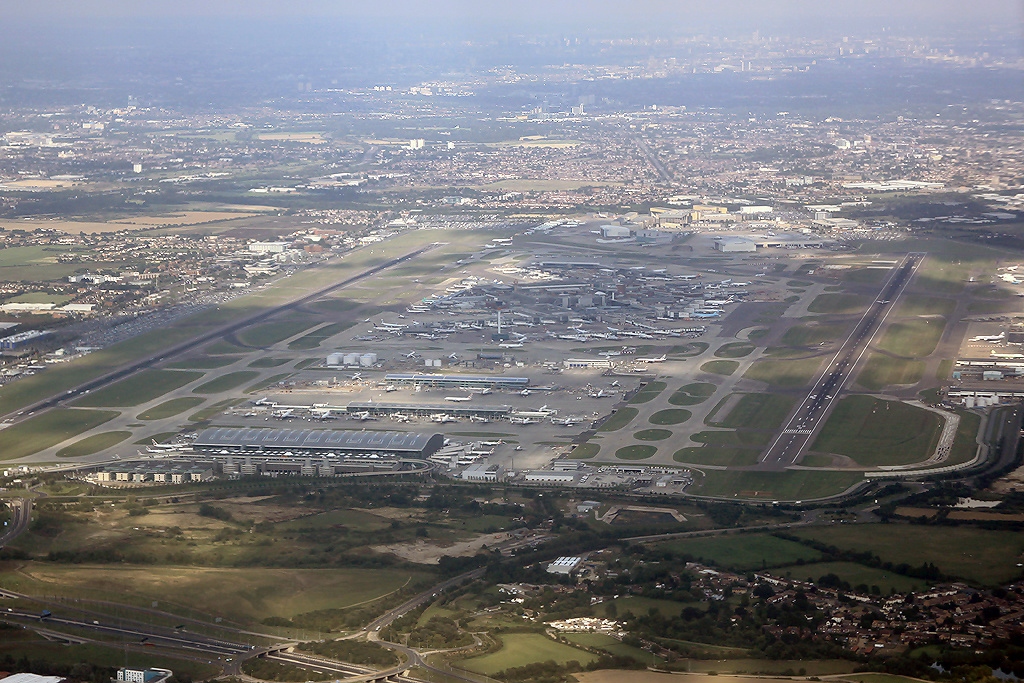
Before you start, sort out your transfer from Heathrow to central London in advance. The Elizabeth line makes this straightforward and affordable. Add an Oyster card or link your contactless card to tap in and out on the Tube throughout your trip.
Day 1: Westminster, the South Bank and Borough Market
Start with London’s political and cultural heartland. This day takes you from the seat of government across the Thames to one of the most vibrant riverside stretches in the city. You’ll cover a lot of ground on foot — and that’s the point. London rewards walkers.
Morning: Westminster and Parliament Square
Begin at Westminster Abbey. Arrive by 09:00 to beat the queues. The Abbey has been the coronation church for nearly every British monarch since 1066, and the interior is genuinely moving. Poets’ Corner alone is worth the entry fee — Chaucer, Dickens, Hardy, and Kipling are all here.
From the Abbey, walk to Parliament Square. The Houses of Parliament and Big Ben are undergoing a long-running restoration, but the exterior remains one of the most recognisable views in the world. Cross Westminster Bridge for the classic photograph looking back across the Thames.
Walk along the Victoria Embankment towards Waterloo Bridge, then cross to the South Bank. This takes about 20 minutes on foot and the river views are excellent the whole way.
Afternoon: The South Bank
The South Bank is one of London’s most enjoyable stretches. Walk east from Waterloo Bridge towards Tate Modern. Entry to Tate Modern is free, and the permanent collection covers 20th-century art from Picasso to Warhol. Spend an hour inside, then continue towards Southwark Cathedral — a medieval gem most visitors walk straight past.
Finish the afternoon at Borough Market. This is London’s finest food market, trading on this site in some form since the 13th century. Arrive between 15:00 and 17:00 on a weekday and it’s busy but manageable. Try a hot salt beef roll or a proper scotch egg. Pick up cheese and charcuterie if you want a simple dinner later.
Evening: Tower Bridge Walk
Walk from Borough Market through Bermondsey towards Tower Bridge. The route takes about 25 minutes and passes through Shad Thames — a Victorian warehouse street with original iron walkways overhead. Cross Tower Bridge on foot (always free) and watch the Thames at dusk from the middle. This view never gets old.
Day 2: The Tower of London, Shoreditch and Brick Lane
Day two moves from ancient history to modern creativity. The morning centres on one of England’s most significant historic sites. The afternoon takes you into East London’s artsy, chaotic, and deeply characterful streets.
Morning: Tower of London
The Tower of London deserves a full morning. Arrive at opening (09:00) before the crowds build. The Crown Jewels are the main draw — the Coronation Crown, the Orb, and the Sceptre are displayed in a low-lit vault that moves you through slowly on a travelator. Budget at least 30 minutes for this queue alone during peak season.
Take a Yeoman Warder tour. These run every 30 minutes from the main entrance and last about an hour. The Warders — known as Beefeaters — are former senior military personnel who live inside the Tower. Their accounts of executions, imprisonments, and royal intrigue are vivid and often darkly funny.
After the Tower, cross back over Tower Bridge and walk north towards Liverpool Street. This takes around 20 minutes.
Afternoon: Shoreditch and Brick Lane
Shoreditch is where London’s creative industries live. The streets around Shoreditch High Street and Old Street are covered in street art, and the neighbourhood changes fast. Boxpark Shoreditch, a permanent market built from shipping containers, is a good place for lunch. Try Bleecker Burger or one of the Korean street food stalls.
Walk south through Brick Lane. This street has been home to waves of immigration — Huguenot silk weavers in the 17th century, Jewish tailors in the 19th, and Bangladeshi restaurants throughout the 20th. The Sunday market at the northern end of Brick Lane is one of London’s best. On weekdays, the Beigel Bake at the northern end is open 24 hours and sells salt beef bagels for under £4.
The hidden gems of East London reward those who explore on foot. Duck into Princelet Street to see the 18th-century Huguenot houses, or find the Dennis Severs’ House on Folgate Street for an eerie step back into Victorian life.
Evening: Dinner in Spitalfields or Soho
Either stay local and eat at Dishoom Shoreditch (book ahead — queues can be 90 minutes without a reservation) or head west to Soho for something different. Soho’s Chinatown is cheap and reliable. Bao on Lexington Street is outstanding for Taiwanese food. The area around Carnaby Street and Broadwick Street has dozens of good restaurants at all price points.
Day 3: Hyde Park, the Museum Quarter and Covent Garden
Day three takes you west, then central. This is the day for museums, green space, and a proper London evening out. It’s also the lightest day on your feet — which you’ll appreciate by day three.
Morning: Hyde Park and Kensington
Start with a walk through Hyde Park. Enter from the Bayswater Road side and head towards the Serpentine. The park covers 350 acres and on a clear morning it’s one of the great urban spaces in Europe. If you’re here in summer, the Serpentine Galleries are open and often host major contemporary art exhibitions — both are free.
Continue south through Kensington Gardens to the Albert Memorial. This extraordinary Victorian monument sits opposite the Royal Albert Hall. The detail on the marble frieze — depicting 169 artists, poets, architects, and composers — is remarkable up close. From here, it’s a five-minute walk to the Natural History Museum or the Victoria and Albert Museum.
Afternoon: The Museum Mile
The South Kensington museums are free to enter and among the best in the world. The Natural History Museum houses the skeleton of a blue whale suspended above the main entrance hall. The V&A is the world’s largest museum of art and design — its collection spans 5,000 years and includes everything from ancient Chinese ceramics to David Bowie’s stage costumes.
Pick one and give it two to three hours. Trying to do both is a recipe for exhaustion. The full guide to London’s free museums can help you decide based on your interests — there’s also the Science Museum next door if you’re visiting with curious teenagers.
Walk or take the District line to Covent Garden in the mid-afternoon.
Evening: Covent Garden and the West End
Covent Garden in the early evening is lively without being overwhelming. The covered market building hosts street performers and independent shops. The surrounding streets — Neal Street, Shelton Street, Floral Street — are good for browsing. If you want dinner here, go to Rules on Maiden Lane (the oldest restaurant in London, established 1798) or Flat Iron on Denmark Street for a budget-friendly steak.
After dinner, walk to the West End and book theatre tickets in advance. The Society of London Theatre’s TKTS booth in Leicester Square sells same-day tickets at significant discounts. Shaftesbury Avenue has 10 theatres within walking distance of each other.
Day 4: Greenwich, the Thames and Notting Hill
Save day four for something different. Leave central London behind for a morning and head to Greenwich — a UNESCO World Heritage Site with a completely different pace from the West End. Return in the afternoon for Notting Hill and a final evening in Soho or Mayfair.
Morning: Greenwich
Take the Elizabeth line or Jubilee line to Canary Wharf, then the DLR to Cutty Sark station. The journey from central London takes about 30 minutes. Alternatively, take a Thames Clipper boat from Embankment Pier — the river journey takes 45 minutes and gives you views of the City skyline, Canary Wharf, and the Thames Barrier.
Start at the Cutty Sark, the last surviving tea clipper from the age of sail. It launched in 1869 and regularly raced from China to Britain carrying tea. You walk beneath the hull on a glass floor — it’s a genuinely dramatic experience. Entry costs around £20 for adults.
Walk uphill through Greenwich Park to the Royal Observatory. This is where Greenwich Mean Time originates, and the Prime Meridian line runs through the courtyard. Stand with one foot in the western hemisphere and one in the eastern. The views across London from the hilltop are among the best in the city.
Afternoon: Greenwich Market and Back to the City
Walk back down through the park to Greenwich Market. This covered market operates Wednesday to Sunday and has good street food, independent craft stalls, and antiques at the weekend. The National Maritime Museum beside the park is free and houses the largest maritime collection in the world — Nelson’s coat from Trafalgar, complete with the fatal bullet hole, is kept here.
Return to central London by DLR or river bus by mid-afternoon. Head to Notting Hill for a wander around the pastel-painted houses of Ladbroke Grove and the boutiques on Portobello Road. The neighbourhood is quieter on weekday afternoons than on Saturdays, when the antiques market draws large crowds.
Evening: A Final Night in London
Spend your last evening in Mayfair or Soho. Mayfair’s Mount Street has some of London’s finest restaurants — Scott’s is excellent for seafood if the budget allows. Soho is better for something lively: Bao, Barrafina, or the countless Japanese restaurants on Old Compton Street. End the evening with a drink at a Soho pub — the Coach and Horses on Greek Street or the French House on Dean Street are both genuinely historic and full of character.
Practical Tips for Your 4 Days in London
Getting Around London
London’s public transport is reliable and good value. The Underground (Tube) covers most of the city. The Elizabeth line, opened in 2022, connects Heathrow directly to central London and runs east to Canary Wharf and beyond. Use a contactless debit or credit card and tap in and out — this gives you the same fares as an Oyster card without the hassle. Read the complete guide to getting around London for routes and tips on avoiding peak-hour fares.
Where to Stay
For a 4-day trip, staying in Zone 1 or Zone 2 saves time and makes evenings easier. Southwark, Clerkenwell, and Fitzrovia all offer good-value hotels with central access. Bloomsbury is quiet, central, and close to the British Museum if you want to add an extra morning visit. The guide to London’s best neighbourhoods to stay in covers each area with honest pros and cons.
What to Eat
London’s food scene has changed dramatically in the past 20 years. The old stereotype of bad British food is long gone. You’ll find outstanding Indian, Japanese, Middle Eastern, and West African food across the city. For a proper London experience, read the complete guide to what to eat in London before you go — it covers everything from street food markets to the best spots for a full English breakfast.
Is 4 Days in London Enough?
Four days covers the major sights and gives you time to explore two or three neighbourhoods properly. You will not see everything — London is simply too large for that on any trip. But with this itinerary, you’ll leave with a genuine feel for the city. If you want more flexibility, the 7-day London itinerary adds Greenwich in more depth, day trips to Windsor or Cambridge, and more time in the neighbourhoods that interest you most.
Frequently Asked Questions
Is 4 days in London enough to see the main sights?
Four days in London is enough to cover the most important sights — Westminster, the Tower of London, South Bank, Hyde Park, and the museum quarter — while leaving time to explore neighbourhoods like Shoreditch, Greenwich, and Notting Hill. You won’t see everything, but you’ll get a genuine feel for the city beyond the tourist trail.
How do I get from Heathrow Airport to central London?
The Elizabeth line is the fastest and most straightforward option, running directly from all Heathrow terminals to central London in about 30 minutes. A single fare costs around £13. The Heathrow Express is faster but significantly more expensive at around £37 each way. Taxis are available but can cost £50–£80 depending on traffic and destination.
What is the best area to stay in London for first-time visitors?
Southwark, Bloomsbury, and Fitzrovia are all excellent bases for first-time visitors. They sit close to major attractions, offer a range of accommodation at different price points, and are well connected by Underground. Avoid staying too far east or west of Zone 1 if you want to minimise commuting time on your first visit.
What is the best time of year to visit London?
Late spring (April–June) and early autumn (September–October) offer the best combination of decent weather, manageable crowds, and competitive hotel prices. July and August are warm but very busy, and prices peak. December is cold but the Christmas markets and lights make London feel magical — just expect crowds around Oxford Street and Covent Garden.
🇬🇧 25 London Places Most Visitors Miss
From secret riverside walks to hidden Victorian tunnels, centuries-old pubs to rooftop gardens with skyline views — our free guide reveals the London most visitors never discover. Join 3,000+ London lovers who get it free.
Get Your Free 25-Places Guide →Free forever · One email per week · Unsubscribe anytime