
One week in London gives you just enough time to explore one of the world’s great cities properly. Seven days lets you visit the iconic landmarks, discover quieter neighbourhoods, and still have evenings free for a proper pub dinner. This guide is for US visitors who want a clear, day-by-day plan — one that tells you what to prioritise and saves you from the classic mistake of trying to fit too much in.
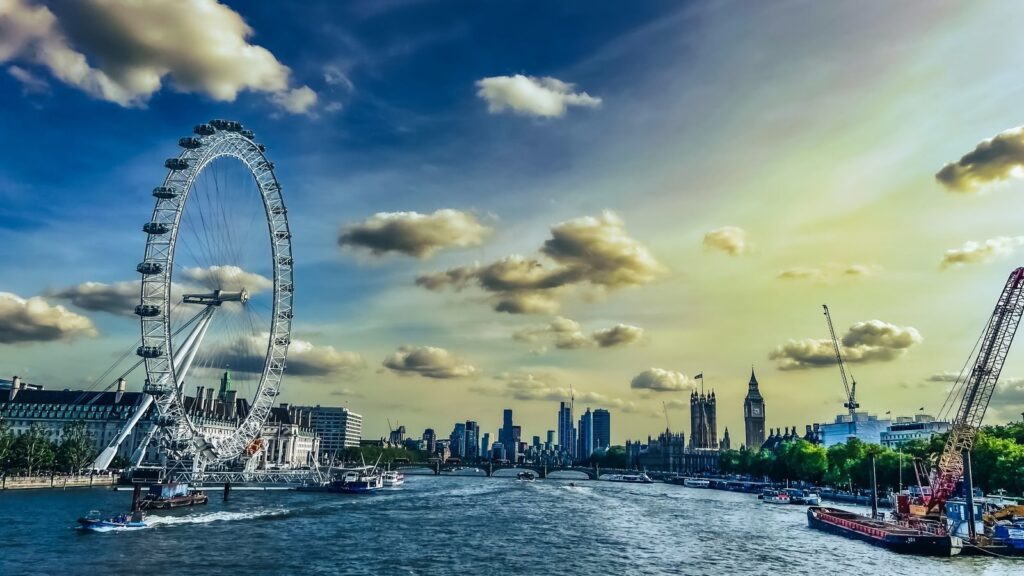
London is vast. But with the right plan, one week in London is enough to fall in love with it. This itinerary gives each day a clear focus so you move efficiently and still feel relaxed.
Day 1: Westminster and the South Bank
Start where most first-time visitors start: Westminster. This is the heart of political and royal London, and it earns its place on every itinerary.
Morning: Westminster
Walk across Westminster Bridge first thing. The view of the Houses of Parliament and Big Ben from the bridge is one of the most photographed in the world. Head to Westminster Abbey next. It costs around £28 to enter, but the history packed inside is extraordinary — kings, queens, poets, and scientists are all buried here.
After the Abbey, walk to St James’s Park. It’s free, beautiful, and a short stroll from Buckingham Palace. You can watch the Changing of the Guard here — check the official royal website for dates and times before you visit.
Afternoon: South Bank
Cross the Thames to the South Bank. This stretch along the riverbank is one of London’s liveliest public spaces. The Tate Modern art gallery is free to enter and holds one of the world’s great modern art collections. Even if contemporary art isn’t your thing, the views from the upper floors are worth the journey up.
Walk east along the riverbank to Borough Market for lunch. It’s packed with food stalls, artisan producers, and outstanding street food from around the world. The South Bank has dozens of pubs for the evening — the Anchor in Bankside has served drinks here since the 17th century.
Day 2: The City and Tower Bridge
Day two takes you to the oldest part of London — the area known as the City of London, or simply “the City.”
Morning: Tower of London
The Tower of London opens at 09:00. Arrive early to beat the queues. Inside, you’ll find the Crown Jewels, the White Tower (built by William the Conqueror in 1078), and a real sense of the city’s dark and fascinating past. Allow two to three hours. Tower Bridge is right next door — walk across it for free, or pay to go inside and see the glass floor and the Victorian engine rooms below.
Afternoon: St Paul’s Cathedral
Head west along the north bank to St Paul’s Cathedral. Christopher Wren designed it after the Great Fire of London in 1666. Climb to the Whispering Gallery and then up to the Golden Gallery at the top for a panoramic view over the City. Entry costs around £22.
Just north of St Paul’s, find Paternoster Square — a quiet courtyard that sees far fewer tourists than the cathedral steps. It’s a great spot to rest before heading back for the evening.
Day 3: East London and Camden
Morning: Shoreditch and Brick Lane
Take the Tube to Old Street and explore Shoreditch. This neighbourhood has transformed over two decades from an industrial area into one of London’s most creative postcodes. The street art here is some of the best in Europe. Brick Lane is a short walk east — famous for its curry houses and bagel shops, it also has a brilliant Sunday market at the weekend.
Afternoon: Camden
Head north to Camden. Camden Market is a sprawling collection of stalls, shops, and food vendors that stretches along the Regent’s Canal. It’s loud, colourful, and genuinely fun, even if you don’t buy a thing. Walk along the canal towards Regent’s Park afterwards — it’s a peaceful contrast to Camden’s energy.
Day 4: Free Museums and Kensington
London has world-class museums that are entirely free to enter. Use day four to make the most of them.
Morning: Natural History Museum
The Natural History Museum in South Kensington opens at 10:00 and is completely free. The dinosaur skeleton in the main hall has wowed visitors for over a century. Allow two to three hours. The Science Museum is right next door, also free — if you’re travelling with children, they may never want to leave.
Afternoon: Victoria and Albert Museum
The V&A is one of the world’s great decorative arts museums — and it’s free. The collections span 5,000 years and include fashion, jewellery, furniture, sculpture, and textiles. You could easily spend an entire day here alone. Check our full guide to free museums in London to plan your visits in detail.
Day 5: Greenwich
Get out of central London for a day. Greenwich is easy to reach — take the DLR from Bank station or the Tube to Cutty Sark — and it rewards the effort.
Morning: Royal Observatory
Stand on the Prime Meridian Line at the Royal Observatory. The grounds are free to explore, and the observatory itself costs around £18. The views over the Thames and Canary Wharf from the hill are some of the best in the city. The Cutty Sark tea clipper sits in dry dock at the waterfront — you can go aboard for around £20.
Afternoon: Old Royal Naval College
The Old Royal Naval College is free to visit. Its Painted Hall — sometimes called the “Sistine Chapel of the UK” — is genuinely spectacular. Most tourists miss it entirely. You shouldn’t. The architecture alone is worth the trip to Greenwich.
Day 6: Notting Hill, Hyde Park, and Chelsea
Morning: Notting Hill
Portobello Road market runs every Saturday and is one of the most famous antiques markets in the world. The pastel-painted terraced houses nearby are among London’s most photographed streets. Hyde Park is a short walk east — it covers 350 acres and includes the Serpentine Gallery (free) and Kensington Gardens.
Afternoon: Chelsea
Head south to Chelsea. King’s Road was the birthplace of British fashion in the 1960s and still has independent boutiques worth exploring. The Chelsea Physic Garden, founded in 1673, is a small and beautiful walled garden near the river. It opens April to October and costs around £16 to enter.
Day 7: Markets, the Embankment, and Farewell
Use your final morning for whichever market you haven’t yet visited. London’s food markets are brilliant for edible souvenirs — jams, biscuits, teas, cheeses, and smoked fish all travel well. Borough Market is open Thursday to Saturday. Portobello is best on Saturdays.
Spend your last afternoon walking the Embankment from Westminster Bridge to Hungerford Bridge. This stretch captures much of what makes London extraordinary: the river, the bridges, the skyline, and the sense that millions of stories have played out here over two thousand years.
Practical Tips for One Week in London
Getting from the airport
Heathrow is the most common US arrival point. The Elizabeth Line connects Heathrow to Paddington in around 25 minutes and costs approximately £13. Avoid taxis from the airport — they’re expensive and the journey can take over an hour in heavy traffic. Read our complete Heathrow to London guide before you fly.
Getting around the city
Tap your US credit card or debit card on the yellow card readers at every Tube, bus, or DLR entry point. A daily fare cap applies — you’ll never pay more than £9.45 per day within Zones 1 and 2. No Oyster card is needed. Our complete London transport guide covers every option in detail.
Budget planning
London is expensive by US standards. Budget around £100–£150 per person per day for accommodation, food, and paid attractions. Free museums, free parks, and riverside walks help considerably. Breakfast from a bakery and lunch at a market stall will stretch your budget further than restaurant meals at every sitting.
Weather and packing
Pack layers and a light waterproof jacket, even in summer. London’s weather changes quickly — it can be warm and sunny in the morning and wet by afternoon. Comfortable walking shoes are essential. You’ll easily cover five to eight miles per day on this itinerary.
Tipping in London
Tipping is not obligatory in London. In restaurants, 10–12% is standard if service charge isn’t already included in the bill — check before you add anything. Tipping in pubs is not expected. Offering to buy your bartender a drink is the traditional British way to say thank you.
Frequently Asked Questions
What is the best time of year for one week in London?
Late spring (May–June) and early autumn (September–October) offer the most reliable weather and smaller crowds than peak summer. July and August are the busiest months, with higher hotel prices and longer queues at major attractions. Winter is quieter and cheaper, but daylight hours are short — around eight hours in December.
How do I get from Heathrow Airport to central London?
The Elizabeth Line connects Heathrow directly to Paddington Station in around 25 minutes. Tickets cost approximately £13 and the service runs every few minutes throughout the day. Simply tap your contactless card at the reader. This is the fastest and most affordable option from any London airport.
Is one week in London enough for first-time US visitors?
One week in London is enough to see the major landmarks, explore several neighbourhoods, and get a genuine feel for the city. You won’t see everything — London is simply too large for that. But seven days gives you a real experience rather than a rushed overview. Most visitors who spend a week here leave already planning their return trip.
Where should I stay for one week in London?
Stay in Zone 1 or Zone 2 for easy access to everything on this itinerary. Westminster, South Kensington, and Shoreditch are all well-placed. South Kensington is particularly good for museum-heavy days. If budget is a concern, areas like Elephant and Castle and Stratford offer cheaper accommodation with fast Tube connections into the centre.
🇬🇧 25 London Places Most Visitors Miss
From secret riverside walks to hidden Victorian tunnels, centuries-old pubs to rooftop gardens with skyline views — our free guide reveals the London most visitors never discover. Join 3,000+ London lovers who get it free.
Get Your Free 25-Places Guide →Free forever · One email per week · Unsubscribe anytime