
Soho is unlike any other part of London. Crammed into roughly one square mile of the West End, it delivers more per street corner than most cities manage in an entire district. Jazz clubs and film industry offices, ramen bars and Michelin-starred restaurants, independent record shops and theatre stages — this neighbourhood refuses to settle into a single identity. For US visitors planning a trip to London, this Soho London guide for US visitors covers everything you need to know: what to see, where to eat, how to get there, and what to expect on your first visit.
What Makes Soho Worth Visiting
A Brief History of the Neighbourhood
Soho has been one of London’s most unconventional neighbourhoods for centuries. In the 17th century, it attracted Huguenot refugees fleeing religious persecution in France. By the 18th century, it had become a working-class district with a thriving bohemian culture. The 20th century brought jazz venues, the early British rock scene, and the flourishing LGBTQ+ community that the area remains closely associated with today.
What strikes first-time visitors is how much of this layered history remains visible. The streets haven’t been flattened and rebuilt the way much of London has. Walk down Frith Street and you pass the pub where Ronnie Scott’s jazz club first opened. Turn onto Dean Street and you walk past buildings that have housed everyone from Karl Marx to private members’ clubs used by the British film industry. History here isn’t behind a velvet rope — it’s on the pavement in front of you.
The Atmosphere Today
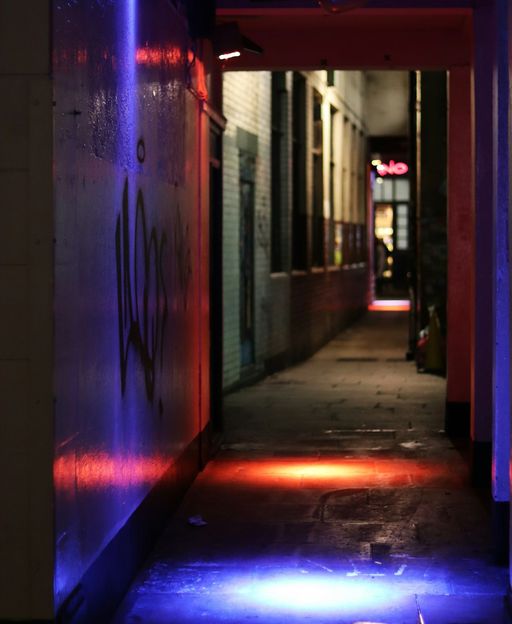
Soho today is busy, loud, and energetic in a way that feels genuinely exciting rather than overwhelming. People come here to eat well, see live music, catch a West End show, or simply wander and soak it all in. During the day it’s more relaxed, with café tables spilling onto pavements and office workers mixing with tourists. By evening, things shift gear entirely. If you want to understand what makes London feel alive, spend a few hours walking through Soho after dark.
How to Get to Soho
Soho sits in the heart of Central London, and getting there is straightforward from almost anywhere in the city. The London Underground is the most convenient option. The nearest stations are Tottenham Court Road (Central and Northern lines), Leicester Square (Northern and Piccadilly lines), Oxford Circus (Victoria, Bakerloo, and Central lines), and Piccadilly Circus (Bakerloo and Piccadilly lines). All four are within a five-minute walk of the neighbourhood’s centre.
Most visitors find that Soho sits neatly between several other Central London attractions, making it easy to combine with other sightseeing in a single day. For comprehensive guidance on navigating the city, our Getting Around London guide for US visitors covers every transport option in detail, including how to buy an Oyster card and how the fare zone system works.
What to Do in Soho London
Carnaby Street
Carnaby Street became synonymous with 1960s British fashion and the Swinging London era. Today it’s a pedestrianised shopping street lined with independent boutiques, international brands, and a buzzy atmosphere that makes it worth strolling even if shopping isn’t your main goal. The street decorations change seasonally, and the surrounding lanes — Kingly Court, Foubert’s Place, Ganton Street — hide some of the best independent shops and restaurants in the area.
Soho Square
Soho Square is a small but pleasant green space at the northern edge of the neighbourhood. It’s one of the few places in this part of London where you can sit on the grass without heading to one of the larger royal parks. The square is surrounded by historic buildings, including a distinctive Tudor-style gardener’s hut that dates back to the 19th century. It makes a good stopping point during a walk through the area.
Ronnie Scott’s Jazz Club
Ronnie Scott’s is one of the world’s most famous jazz venues, and it has been operating on Frith Street since 1959. The club hosts live music almost every night of the week, with performances ranging from world-class jazz artists to visiting American acts on European tours. If you have any interest in live music, booking a table here is one of London’s genuine highlights.
You can reserve a spot for dinner and the evening show, or arrive for just the late show with a drink. Booking in advance is strongly recommended, especially on weekends. The venue is intimate, the sound quality is excellent, and the history embedded in the walls gives the experience something you simply can’t replicate at a larger music venue.
The West End Theatre Scene
Soho sits directly on the edge of London’s West End theatre district. Some of the country’s most celebrated stages — including the Palace Theatre, the Lyric Theatre, and the Apollo Theatre — are within a short walk. Our London West End Theatre guide for US visitors covers how to book tickets, which shows are worth seeing, and how to find last-minute deals. Catching a show and then walking back through Soho for a late drink is one of the best London evenings you can have.
Old Compton Street
Old Compton Street is the centre of London’s LGBTQ+ community and has been for decades. The street is lined with bars, cafés, and restaurants that are welcoming and lively at most hours. Even if you’re not specifically looking for the LGBTQ+ scene, walking through here gives you a clear sense of the neighbourhood’s inclusive, open-minded character — a defining feature of Soho that has shaped its identity for more than a generation.
Where to Eat in Soho
Restaurants Worth Finding
Soho has one of the highest concentrations of excellent restaurants in London. The competition here means that standards are high and the variety is extraordinary. You’ll find everything from Taiwanese steamed buns and Japanese robata grills to traditional Italian trattorias and modern British cooking built around seasonal produce.
Bao Soho on Frith Street is consistently excellent for its Taiwanese-style steamed buns and small plates. Andrew Edmunds on Lexington Street is a long-standing local favourite — a small, romantically lit restaurant with an outstanding wine list and a menu that changes regularly with the seasons. For Sichuan cooking that draws regulars from across the city, Barshu on Frith Street is a reliable choice.
Bar Italia and Café Stops
Bar Italia on Frith Street is a Soho institution. It has been serving espresso since 1949 and stays open until the early hours. The coffee is excellent, the atmosphere is authentically Italian, and it’s one of those places that shows you how Soho has evolved whilst remaining recognisably itself. Pop in for a quick espresso and stay for the atmosphere — you’re unlikely to leave quickly.
Berwick Street Market
Berwick Street Market has operated as a street market since the 18th century. Today it sells fresh produce and street food from a variety of stalls. It runs Monday to Saturday and is busiest at lunchtime, when office workers and visitors pack in for takeaway food from a range of stalls. It’s free to browse and worth a visit even if you only stop for a quick bite.
Love London?
Join 3,000+ London lovers getting weekly hidden gems, local secrets and travel inspiration — free every week.
Join Free →Drinking in Soho
Traditional Pubs
Soho has some of London’s most atmospheric pubs. The Dog and Duck on Bateman Street is a Victorian gem with beautiful tiled interiors and a reputation for keeping a solid pint. The French House on Dean Street has been a Soho institution since the Second World War — it’s small, often packed, and memorably atmospheric. Note that The French House traditionally serves wine and beer in half-pint measures only, a quirk that adds to its considerable character.
Cocktail Bars and Wine Bars
The streets around Dean Street and Greek Street have seen a wave of cocktail bars open over the past decade. Many occupy basement spaces with low lighting and carefully curated drinks lists that change with the seasons. Several wine bars in the area serve interesting bottles by the glass in settings that suit a long, relaxed evening. Soho is consistently one of London’s best areas for drinks at any level of formality, from a pint at the bar to a twelve-pound cocktail in a dimly lit basement.
Soho After Dark
Soho is one of the few areas in London where things keep going past midnight on most nights of the week. The neighbourhood has historically been associated with London’s late-night culture, and whilst it has changed significantly over recent decades, it retains a genuine energy after dark that most other Central London neighbourhoods lose by 11pm. If you want to extend your evening beyond a standard pub close, this is the right place to be.
Shopping in Soho
Independent Boutiques
Soho rewards those who wander. The best shopping here isn’t on a single main street — it’s spread across a network of lanes and back streets. Broadwick Street, Lexington Street, and the area around Carnaby all have independent boutiques selling fashion, homeware, and accessories that you won’t find in the chain stores on Oxford Street a short walk away. Set aside time to explore without a fixed plan and you’ll almost certainly discover something unexpected.
Record Shops on Berwick Street
Soho has a long association with music, and several independent record shops survive in the area. Sister Ray on Berwick Street has been selling vinyl and CDs since 1989, stocking an impressive range of new and second-hand records across every genre. If you enjoy digging through crates of vinyl, the stretch of Berwick Street around the market is worth an afternoon of your time.
Soho and the Surrounding Neighbourhoods
Soho connects naturally to several of London’s other most visited areas, and combining it with a neighbouring district makes for a full and varied day out.
Soho and Covent Garden
These two neighbourhoods are geographically close and both attract large numbers of visitors. Covent Garden is more polished and family-friendly, with the market piazza, street performers, and well-known shops and restaurants. Soho is grittier, more varied, and more likely to have independent places that have operated for decades. For a proper mix of both, our Covent Garden guide for US visitors covers what to see and do before you walk the short distance west into Soho.
Soho and Shoreditch
Shoreditch is London’s East End creative quarter — street art, independent coffee shops, vintage markets, and a younger crowd. Soho is more central, more established, and more diverse in what it offers across a single evening. Both are worth visiting on any trip to London. Our Shoreditch guide for US visitors has everything you need if you want to contrast the two areas during your stay.
For a broader overview of London’s neighbourhoods and which areas might suit your interests and accommodation budget, our London Neighbourhoods guide is the best place to start planning your trip.
Practical Tips for US Visitors in Soho
- Card payments are universal. You don’t need cash in Soho. Almost every restaurant, bar, and shop accepts contactless payment, including American cards.
- Book restaurants in advance. Popular places fill up quickly, particularly on Thursday through Saturday evenings. Book at least two or three days ahead for anywhere you particularly want to try.
- Soho is compact. The entire neighbourhood can be walked across in under 15 minutes. There’s no need for taxis or the Underground once you’re inside it.
- Evening queues are common. Some bars operate a door policy on busy nights. If you’re planning to visit specific venues at the weekend, check whether they require a reservation.
- Allow for central London prices. Budget around £15 to £25 for a main course at a mid-range restaurant, and £8 to £12 for a cocktail. The quality generally justifies the cost.
- Come twice if you can. Soho by day and Soho by night are genuinely different experiences. If your itinerary allows it, visit once for lunch and return in the evening for dinner and drinks.
Frequently Asked Questions About Soho London
What is Soho London known for?
Soho is known for its vibrant nightlife, independent restaurants, the West End theatre scene, and its long-standing LGBTQ+ community centred on Old Compton Street. It has historically been one of London’s most creative and unconventional neighbourhoods, with a rich music history, a strong film and media industry presence, and a diverse, inclusive atmosphere that sets it apart from other parts of the West End.
Is Soho London safe for tourists?
Soho is a safe area for tourists during both the day and evening. Like any busy urban neighbourhood, keep an eye on your belongings in crowded areas, but there’s no particular reason for concern. The streets are well-lit, consistently busy throughout the evening, and heavily visited by both Londoners and tourists on most nights of the week.
How long should I spend in Soho?
Most visitors find that half a day is enough to walk the main streets, visit Carnaby Street, and have lunch or a coffee. If you’re planning to eat dinner and spend time in a jazz club or bar, an evening in Soho can stretch to four or five hours. A full day combining daytime exploration with an evening out gives you time to see everything at a relaxed pace without feeling rushed.
Is Soho walking distance from major London attractions?
Yes. Soho is within a short walk of Trafalgar Square and the National Gallery (around 10 minutes), Covent Garden (10 minutes), Oxford Street (5 minutes), and the South Bank via Waterloo Bridge (roughly 20 minutes on foot). It makes an excellent base for a full Central London day, particularly when combined with visits to nearby areas like Leicester Square or Covent Garden.
Join 3,000+ London Lovers
Every week, get London’s hidden gems, local secrets, and travel inspiration — the kind you won’t find in any guidebook.
Subscribe free — enter your email:
Love more? Join 64,000 Ireland lovers → · Join 43,000 Scotland lovers → · Join 30,000 Italy lovers →
Free forever · One email per week · Unsubscribe anytime
