
Planning your first time in London from the United States can feel overwhelming. The city is vast, the tube map looks like abstract art, and everyone seems to know exactly where they’re going except you. This guide cuts through the noise and gives you a clear, practical plan — from booking flights to choosing where to stay, what to see first, and how to get around without wasting half your trip figuring it out.
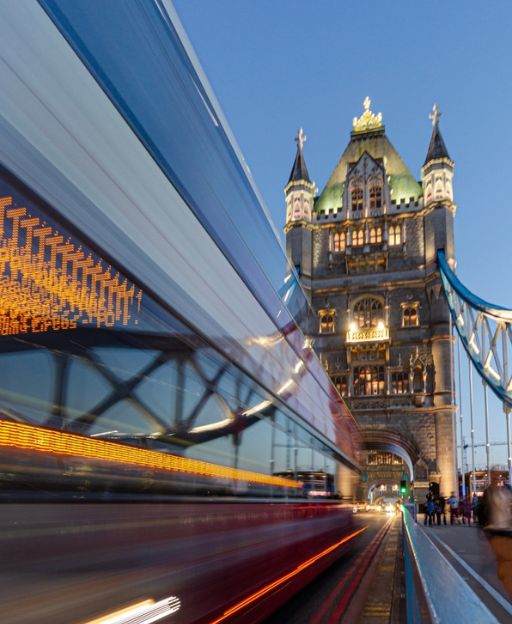
London rewards people who plan ahead. A little preparation means you spend your time actually exploring the city rather than standing on the pavement squinting at Google Maps. Read this before you book a single thing.
When to Visit London for the First Time
There is no bad time to visit London. But there are better times depending on what you want. The full month-by-month breakdown is worth reading before you commit to dates.
Here is the short version. May, June, and September are the sweet spots for first-time visitors. The weather is mild, the days are long, and the tourist crowds are manageable — especially in September, after school holidays end across Europe.
July and August are the busiest months. Prices spike, the tube gets uncomfortably hot, and popular attractions like the Tower of London and Westminster Abbey can have queues stretching around the block. If you travel then, book everything — including museum time slots — well in advance.
December is genuinely magical. The Christmas markets, the lights along Oxford Street and Regent Street, and the festive atmosphere make it one of the most atmospheric times to visit. Just bring a warm coat and expect higher hotel prices around the holidays.
Getting From the Airport Into Central London
Most flights from the US arrive at Heathrow. The complete Heathrow transfer guide covers every option in detail, but here is what you need to know for your first trip.
The Elizabeth line (purple on the tube map) is the fastest and cheapest way into central London. It runs directly from Heathrow Terminals 2, 3, 4, and 5 to Paddington, Bond Street, and the City. The journey takes around 30 minutes and costs less than £12 with an Oyster card or contactless bank card.
The Heathrow Express is faster at 15 minutes to Paddington, but it costs significantly more. Unless you are cutting it fine for a business meeting, there is no real reason to pay the premium as a leisure visitor.
Do not take a minicab or unofficial taxi from outside the arrivals hall. Use only the black cab rank inside the terminal, or pre-book a licensed transfer through your hotel or a reputable app like Addison Lee.
Where to Stay in London as a First-Timer
Stay central for your first visit. It will save you time and money on transport. This guide to the best areas to stay in London goes into each neighbourhood in detail.
The best zones for first-timers are Westminster, South Bank, Covent Garden, and South Kensington. These areas put you within walking distance of multiple major sights, and they sit on several tube lines so you can get anywhere quickly.
South Kensington is especially good value. It sits next to three of the world’s best free museums — the Natural History Museum, the Victoria and Albert Museum, and the Science Museum — and is quieter in the evenings than the West End.
Avoid areas outside Zone 1 or Zone 2 unless you have a specific reason to stay there. Saving £20 a night on a hotel in Zone 4 often gets eaten up by daily transport costs and lost time on commutes.
What to See on Your First Visit to London
Every first-time visitor has a list. Big Ben, Buckingham Palace, the Tower of London, Tower Bridge. These are worth seeing, and they are genuinely impressive in person. But a few things will make the experience far better.
Pre-book timed entry for the Tower of London, Westminster Abbey, and any ticketed museum. Walk-up queues in summer can be 90 minutes or longer. Booking online takes two minutes and can save you half a morning.
Walk the South Bank on your first full day. The stretch from Waterloo Bridge to Tower Bridge takes around an hour at a gentle pace and gives you views of St Paul’s Cathedral, the Tate Modern, Shakespeare’s Globe, and Borough Market all in one go. It is one of the best free experiences in any city in the world.
Use the free museums on quieter days. The British Museum, the National Gallery, the V&A, and the Natural History Museum charge nothing for general admission. Together they contain more treasures than most cities have in their entire museum systems.
Spend a morning in a neighbourhood, not just at landmarks. Notting Hill on a Saturday, Spitalfields on a Sunday, or Covent Garden on a weekday morning shows you a very different side of the city to the tourist trail.
🗺️ Free Guide: The Best Day Trips from London (2026)
Top day trips by train, by car, and hidden gems most visitors never find — with travel times, insider tips, and the best time to visit each. Free when you subscribe to Love London.
Get the Free Day Trips Guide → Subscribe free at the guide page to receive weekly London travel storiesGetting Around London Without a Car
You do not need a car. In fact, a car actively gets in the way. London has a congestion charge in central areas, parking is expensive, and traffic can be brutal. Leave the rental car at home.
The Underground (the tube) is the fastest way across the city. The full guide to getting around London covers every mode of transport, but the key point for first-timers is this: use a contactless bank card or Apple Pay directly on the yellow card readers. You pay the same Oyster fare, and you do not need to queue at a ticket machine.
Walking is often faster than you expect between tube stations in Zone 1. Leicester Square to Covent Garden is a two-minute walk but several minutes on the tube once you factor in waiting and walking through the station. Download Google Maps offline for London before you travel.
London buses are slower but cheaper for short hops, and they let you see the city above ground. The number 11 from Liverpool Street to Fulham is one of the great free sightseeing routes — it passes St Paul’s, the Strand, Trafalgar Square, Westminster, and Chelsea.
What It Costs to Visit London for the First Time
London has a reputation for being expensive. It is, but it is also manageable with some planning. The full budget guide for US visitors breaks down every category of spend.
Transport is one of your biggest daily costs. A typical day using the tube across Zone 1 and 2 runs between £8 and £15. Transport for London caps your daily spend automatically when you use contactless payment, so you will never overpay.
Food does not have to be expensive. Supermarkets like Pret A Manger, Sainsbury’s, and Marks & Spencer sell excellent sandwiches and prepared meals for under £5. Sit-down meals in Central London average £15 to £25 per person for a main course.
Sightseeing is often free. The National Gallery, the British Museum, the Tate Modern, the V&A, and the Natural History Museum all have free general entry. Budget £25 to £30 per person for a ticketed attraction like the Tower of London.
Practical Tips Every First-Timer Should Know
These are the things nobody tells you until you arrive.
- Stand on the right on escalators. Walk on the left. Breaking this rule will earn you looks of genuine displeasure from Londoners during rush hour.
- Tap out as well as in. Always touch your card on the yellow reader when you exit the tube. If you forget, you pay the maximum fare for that journey.
- The weather changes quickly. A light waterproof jacket is more useful than an umbrella. The rain in London is usually brief and light.
- Afternoon tea is worth it once. It is not cheap — expect to pay £40 to £80 per person at a reputable venue — but it is genuinely one of the great London experiences for a first visit.
- Book popular restaurants in advance. Walk-in at Borough Market food stalls is fine. But a sit-down dinner at a restaurant you want to visit should be booked at least a week ahead, especially at weekends.
- Pubs close earlier than you expect. Most London pubs close at 11pm on weekdays and midnight on Fridays and Saturdays. Plan your evening accordingly.
Day Trips Worth Taking on a First Visit
If your first trip to London is five days or longer, consider adding at least one day trip. London’s rail network puts several world-class destinations within 90 minutes of the city.
Bath (90 minutes by train) has Roman baths, Georgian architecture, and a very different pace from London. It makes a perfect contrast to the capital.
Windsor (40 minutes from Paddington) is home to Windsor Castle, the oldest and largest occupied castle in the world. The Changing of the Guard here is less crowded than at Buckingham Palace.
Cambridge (50 minutes from King’s Cross) is best visited midweek when the students are in residence and the college courts feel genuinely alive rather than purely touristy.
Frequently Asked Questions: First Time in London
What is the best area to stay in London for a first-time visitor?
South Kensington, Covent Garden, and Westminster are the best areas for a first time in London. They place you close to the major sights, on multiple tube lines, and in safe, walkable neighbourhoods that give a good sense of the city.
How many days do you need in London for a first visit?
Four to five days is the ideal length for a first time in London. Three days covers the main landmarks at a fast pace, while five days gives you time to explore at least one neighbourhood properly and take a day trip out of the city.
Is London safe for first-time visitors from the US?
Yes, London is one of the safest major cities in the world. Take the usual precautions you would in any large city — watch your bag on the tube during peak hours and be aware of your surroundings in very busy areas. The vast majority of visitors have no problems at all.
Do I need to tip in London?
Tipping is not compulsory in the UK but is appreciated for good service. Ten per cent at a sit-down restaurant is the standard. Many bills now include a discretionary service charge — check before adding more. You do not tip in pubs when ordering at the bar.
Join 3,000+ London Lovers
Every week, get London’s hidden gems, local secrets, and travel inspiration — the kind you won’t find in any guidebook.
Subscribe free — enter your email:
Love more? Join 64,000 Ireland lovers → · Join 43,000 Scotland lovers → · Join 30,000 Italy lovers →
Free forever · One email per week · Unsubscribe anytime