
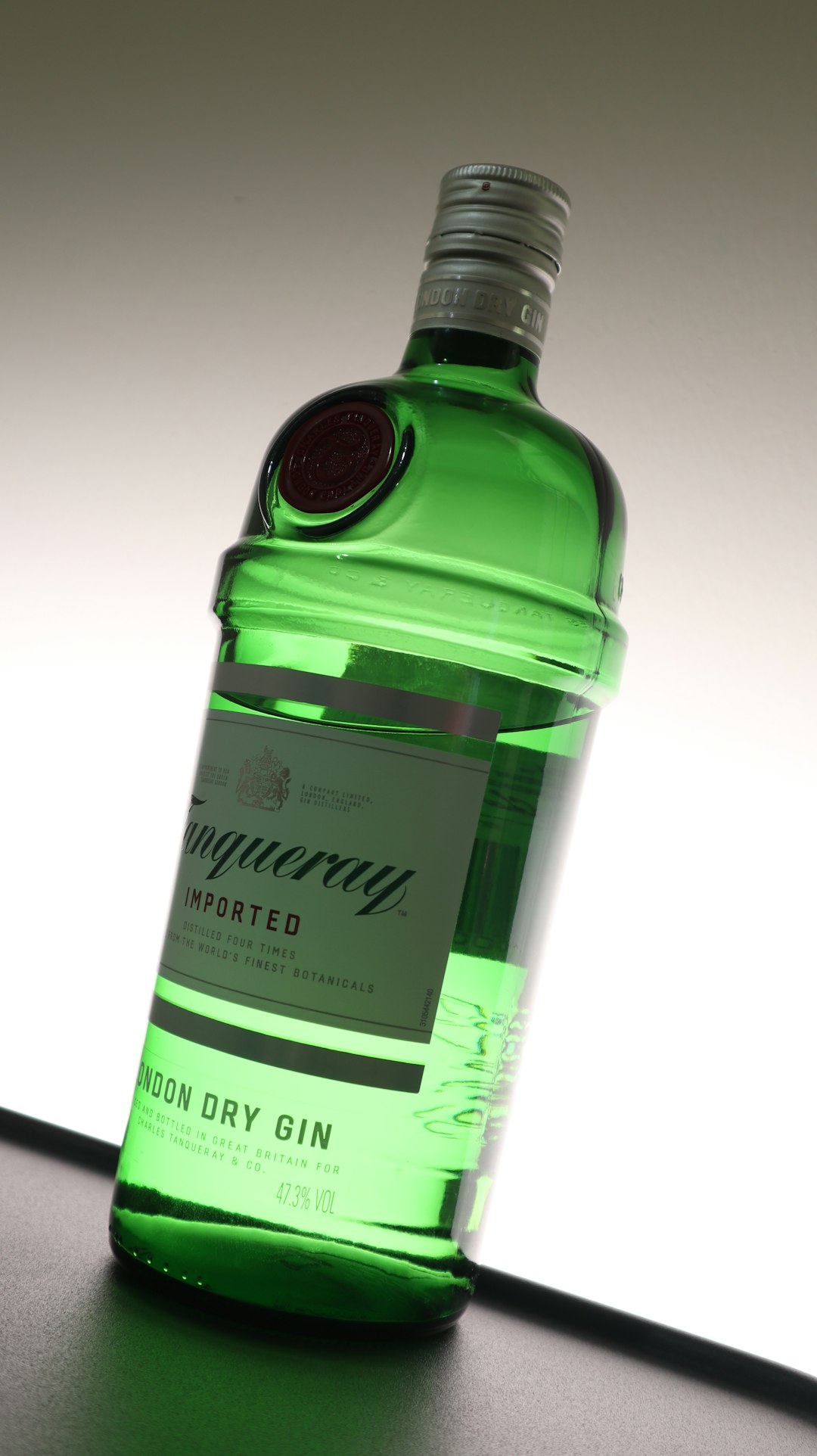
The phrase “London Dry” on a gin bottle tells you almost nothing about where the gin was made — it is a method, not a map, and a London Dry can legally be distilled in Spain, India or Kentucky. What it does promise is discipline: every flavour must go in during distillation, nothing can be added afterwards but water, and juniper has to lead. This is Guide № 007 in The Love London Guide series.
Get the Full Collectible Guide (Free PDF)
London Dry Gin — in a beautifully designed, printable booklet. The Love London Guide № 007.
What “London Dry” Actually Means
London Dry is a legally defined category under UK and EU spirit-drink rules, and the definition is strict. The spirit must be redistilled from neutral alcohol of agricultural origin in the presence of natural botanicals, with juniper the predominant flavour; no colourings and no flavourings may be added after distillation, and the only permitted additions are water and a tiny amount of sweetening (no more than 0.1 grams of sugar per litre). It must be bottled at a minimum of 37.5% ABV. Because none of these rules mention geography, “London Dry” is a style anyone, anywhere, can make — which is why you will find it produced far from the capital.
The “dry” part is the giveaway. Older gins such as Old Tom were noticeably sweetened; London Dry emerged as the cleaner, botanical-forward counterpoint once distillers could make a purer base spirit. That is the flavour profile most people now picture when they think of gin at all.
How It Came to Taste This Way
London Dry is really a product of better equipment. The continuous column still, refined by Aeneas Coffey in the 1830s, let distillers produce a near-neutral, consistent base spirit at scale. With a cleaner canvas, there was no longer any need to mask rough spirit with sugar, and a drier, juniper-led gin became both possible and fashionable through the Victorian era. Brands that grew up in and around the city in that period — Beefeater, Tanqueray and Gordon’s among them — helped fix the template in the public imagination.
The classic botanical bill is smaller than people expect. Alongside juniper, most London Dry recipes lean on coriander seed, angelica root, orris root, citrus peel and sometimes liquorice or cassia. The art is in proportion and in how the botanicals are extracted during the one defining distillation.
Distilling Returns to London
For most of the twentieth century, almost nobody distilled gin inside London itself. That changed in 2009 when Sipsmith opened in Hammersmith with a small copper pot still named Prudence — widely reported as the first new copper-pot distillery in London in close to two centuries. The founders first had to persuade regulators to grant a licence for a still far smaller than the large-capacity stills the old rules effectively required, a change that opened the door for a wave of small producers.
Today the capital has a genuine spread of working distilleries. The City of London Distillery sits just off Fleet Street, East London Liquor Company operates out of Bow Wharf, and Portobello Road Gin runs a small distillery and the Ginstitute above a pub in Notting Hill. Several offer tours and tastings, so you can watch a London Dry being made within the city that named it.
The Gin and Tonic, and Other Classics
Gin’s most famous partnership was medicinal before it was social. British forces and officials in colonial India took quinine to ward off malaria, and because quinine is bitter, it was dissolved in sweetened, carbonated tonic water; adding gin, sugar, lime and ice made the daily dose far more pleasant. The modern tonics you buy contain only a fraction of that historic quinine, so the drink is now flavour, not treatment.
London Dry’s clean juniper backbone also makes it the default base for the dry Martini and the Gimlet. The ratios are endlessly argued over, but the point is the same in each: the gin is meant to be tasted, not hidden.
Seeing It for Yourself
If you want to go to the source, the historic Beefeater distillery in Kennington has run visitor tours covering the brand’s long London history, while Bombay Sapphire runs a large visitor experience at Laverstoke Mill in Hampshire, outside the city but an easy day out. For the trade and heritage side, The Gin Guild promotes standards and education across the industry. Checking opening times and pre-booking is sensible, as distillery tours sell out and schedules change seasonally.
Myths Worth Retiring
Myth: London Dry gin has to be made in London. It does not. London Dry is a production method with no geographic requirement, and plenty of it is distilled on other continents entirely.
Myth: gin is just flavoured vodka. They start from similar neutral spirit, but gin is legally required to be redistilled with botanicals so that juniper predominates. The botanical redistillation is the whole point.
Myth: “dry” means it has no sugar at all. London Dry may contain a very small amount of sweetening — up to 0.1 grams of sugar per litre — so “dry” means minimally sweetened by category rules, not strictly zero.
Frequently Asked Questions
Is London Dry stronger than other gins?
Not inherently. All gin sold in the UK must be at least 37.5% ABV, and that floor applies to London Dry too. Many London Dry labels are bottled higher, at 40% or above, but strength is a choice by the producer rather than something the category demands.
What is the difference between London Dry and Old Tom gin?
Old Tom is an older, sweeter style that sits roughly between the maltier Dutch genever and the crisp modern spirit. London Dry is drier and more juniper-forward, and the rules forbid adding flavour or colour after distillation. Many classic cocktail recipes were originally built for Old Tom and taste noticeably different made with a London Dry.
Can I visit a working gin distillery in London?
Yes. Several central London distilleries, including the City of London Distillery and East London Liquor Company, run tours and tastings, and Portobello Road Gin offers its Ginstitute experience in Notting Hill. Book ahead and confirm times directly with each venue, as availability varies.
More The Love London Guides
The Love London Guide is a numbered series — one tightly focused subject at a time, each with its own downloadable collectible edition. Guide № 001 is Fish and Chips, Guide № 002 is Trooping the Colour, Guide № 003 is The Red Telephone Box, Guide № 004 is English Breakfast Tea, Guide № 005 is The British Pub, Guide № 006 is The Great British Queue, This is Guide № 007. More editions are on the way.
🇬🇧 Join 3,000+ London Lovers
Every week, get hidden stories, local secrets, and travel inspiration from people who live and love it.
Subscribe free — enter your email: