
On 1 September 1939, London sent its children away. Over the following days, parents walked their sons and daughters to school, kissed them goodbye and watched them march off to railway stations with labels on their coats. The government called the plan Operation Pied Piper. It moved roughly 1.5 million people out of Britain’s cities in the first few days, and London supplied a large share of them.
If your family has London roots, this story may be part of yours. A grandmother who spent the war in a Welsh farmhouse, an uncle billeted with a stranger in Sussex, a mother who never talked about the day she left: these memories sit in many American and British families. This guide explains what happened, where it began, and how you can trace an evacuee in the records today.
What Operation Pied Piper Was
Officials planned the evacuation through the 1930s. They feared that German bombers would strike London within hours of a declaration of war, and they expected heavy civilian casualties. The government divided Britain into three kinds of area: evacuation zones, neutral zones and reception zones. London sat firmly in the first group.
The order to begin, “Evacuate Children Forthwith”, went out on 31 August 1939. Britain declared war on Germany on 3 September, two days after the first trains left. Government figures count about 827,000 schoolchildren among the first wave nationwide. Mothers with young children, pregnant women and some disabled people made up most of the rest.
Schools ran the operation on the ground. Teachers led their classes to the assembly points, often in long lines called crocodiles. Each child carried a gas mask in a cardboard box, a small bag of clothes and food for the journey. Each child also wore a luggage label with a name and a school. Nobody told the children where they were going, and in many cases nobody told the teachers either.
The Journey From London’s Stations
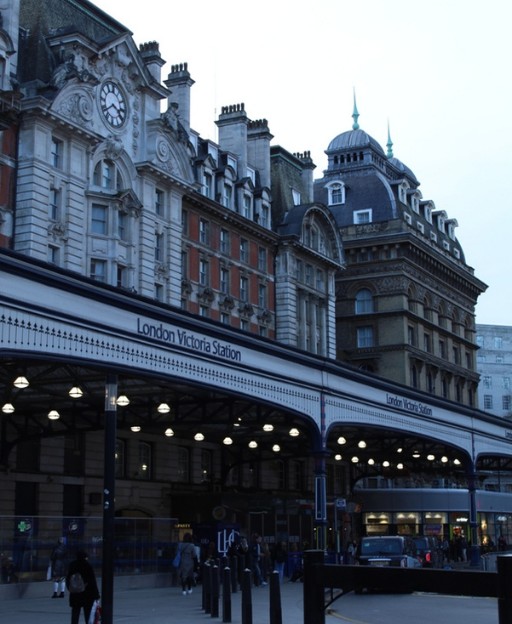
Children left London from many railway termini, including Paddington, Victoria, Waterloo, King’s Cross and Euston. Other children left by bus, and some boarded boats on the Thames. The trains headed to reception areas across the south and west of England, East Anglia and Wales. You can read more about one of those stations in our Paddington Station guide.
The journeys lasted hours. Many children fell asleep on wooden seats, and others pressed their faces to the windows to read the names of the stations. When the trains stopped, local volunteers met them and led them to village halls and school playgrounds.
Billeting Day
What came next shocked many children. Local billeting officers lined up the new arrivals and matched them with host families. Hosts chose some children on sight, and some brothers and sisters ended up in different houses. The experience varied enormously. Some children found warm homes and stayed in touch with their hosts for life. Others met cold treatment, hard work or homesickness that stayed with them into old age.
🏛️ Free Guide: How to Trace Your English & British Ancestry
Step-by-step: GRO records, census 1841–1921, parish registers, the National Archives (Kew), London Metropolitan Archives, and planning a heritage trip. Completely free.
Get the Free Guide → Subscribe free at the guide page to receive weekly London heritage storiesWhy Many Children Came Home
The bombs did not fall in September 1939. The months of waiting that followed became known as the Phoney War, and many parents lost their nerve. Mothers missed their children. Children missed their streets. By January 1940, large numbers of evacuees had returned to London, and government records suggest that hundreds of thousands had gone home.
Everything changed on 7 September 1940, when the Blitz began. London took heavy raids for months. The government opened a new round of evacuation, and families who had brought their children home sent them away again. To understand the nights those families faced, read our guide to how Londoners sheltered underground during the Blitz.
A third wave followed in the summer of 1944, when the first V-1 flying bombs reached London. Hundreds of thousands of people, including many children, left the city once more. Some evacuees therefore went away two or even three times between 1939 and 1945.
Life as an Evacuee
Evacuees often wrote about the shock of the countryside. London children saw cows for the first time. They met outdoor toilets, oil lamps and farm work. Host families, in turn, sometimes met children who needed new shoes, a bath or a decent meal, and the encounter opened many eyes to how poor some city families were.
Schooling disrupted learning for many children. Some villages shared classrooms in shifts, with local children in the morning and evacuees in the afternoon. Parents visited when they could afford the fare, and letters carried most of the news. Many of those letters survive in family boxes and archives today.
Many people who lived through the war say the same thing years later: the separation shaped them more than the bombs did. Some adults still remember the day the train pulled out, and some never forgave the parents who sent them away, although those parents acted out of love and fear.
🏙️ Enjoying this? 3,000 London lovers get stories like this every week. Subscribe free →
How to Trace an Evacuee in Your Family
You can find real evidence of an evacuee ancestor if you know where to look. Start at home, then move outward to the archives.
1. Ask the Family and Check the Attic
Talk to the oldest relatives you can find. Ask which school the child attended, which town received them and the name of the host family. Look for letters, postcards, luggage labels and photographs. Even a single postmark can point you to the right village.
2. Search the 1939 Register
Britain took a national census-style register on 29 September 1939, just weeks after the first evacuation. It lists every person in each household, with names, birth dates and occupations. A child who had already left London appears in the household of the host family, so the register can show you where your relative landed. You can search it on Findmypast, and other family-history sites carry it too.
3. Look for School Records
School log books and admission registers often record the day a class left London and the day it came home. The London Metropolitan Archives in Clerkenwell holds a large collection of London school and education records. Contact them before you visit and bring the name of the school and the approximate dates.
4. Use The National Archives
The National Archives at Kew holds government files on the evacuation scheme, covering planning, numbers and policy. Individual children rarely appear by name, but the files show how the scheme worked in your relative’s district. Their research guides explain how to search the catalogue.
5. Check Local Archives Near the Reception Area
Village and county record offices in the reception areas often keep billeting lists, parish magazines and local school records. A short email to the county archive can turn up a surprising amount. For more tips on wartime London family research, see our guide to tracing your family’s WWII story.
Where to See This History in London Today
The war has left few memorials to the evacuation itself, but you can still stand in the places where it happened. Walk through any of the great London termini and picture the platforms crowded with children and teachers. The Imperial War Museum in Lambeth tells the story of the home front, including the experience of children and families. For the bigger wartime picture, read about Churchill’s secret bunker and the Blitz ruins you can visit today.
Many London primary schools still stand on the streets where their evacuated classes once assembled. If you know your family’s school, visit the building. Some schools keep photographs and log books, and head teachers often welcome a polite enquiry.
Frequently Asked Questions
When did the London evacuation begin?
The main evacuation began on 1 September 1939, two days before Britain declared war on Germany. The government issued the order the day before, on 31 August.
How many people did Operation Pied Piper move?
Government figures put the first wave at roughly 1.5 million people across Britain, including about 827,000 schoolchildren. Many of them came from London.
Can I find out where my relative was evacuated?
Often you can. Start with family letters and the 1939 Register, then check school records at the London Metropolitan Archives and the county archive for the reception area.
Did all London children leave?
No. Parents chose whether to send their children, and many kept them at home. Others sent them away, brought them back and sent them away again as the war changed.
The evacuation scattered London’s children across the country, and it left a mark on a whole generation. When you trace your own evacuee, you recover a small piece of that story. Start with one question to the oldest person in your family, and see where it leads.
Join 3,000+ London Lovers
Every week, get London’s hidden history, heritage walks, and stories from the city’s remarkable past — straight to your inbox.
Subscribe free — enter your email:
Already subscribed? Download your free London guide (PDF)
Love more? Join 64,000 Ireland lovers → · Join 43,000 Scotland lovers → · Join 30,000 Italy lovers →
Free forever · One email per week · Unsubscribe anytime