
Every day, a small crowd gathers on a quiet residential road in North London. They are not waiting for a bus. They are not in a rush. They are waiting to cross the street — and to photograph themselves doing it.
This is Abbey Road. And that zebra crossing outside number three has become one of the most recognisable pieces of tarmac on earth.
The Album That Changed a Road Forever
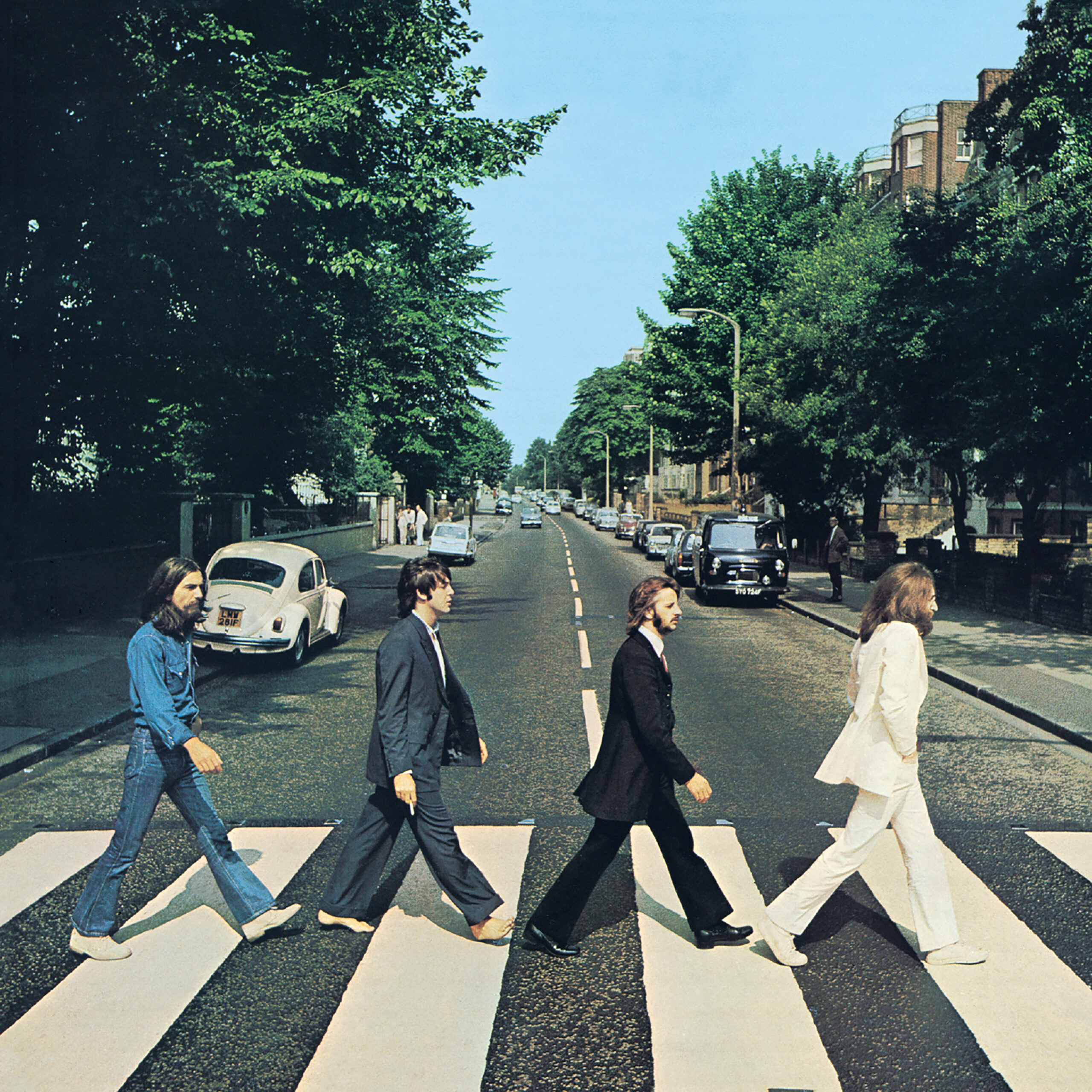
On 8 August 1969, four men walked out of Abbey Road Studios into bright morning sunshine. A photographer stood on a stepladder in the middle of the road. A police officer held back the traffic. The whole shoot took about ten minutes.
🏙️ Love London?
3,000 London lovers get hidden history, street-level stories, and local secrets every week. Free, forever — no spam, unsubscribe any time.
Subscribe free — enter your email:
The result was the cover of Abbey Road — the last album the Beatles recorded together. John, Ringo, Paul, and George, mid-stride across a zebra crossing. No title on the front. No band name. Just four men and a road.
It became one of the most copied images in music history. And it made a modest North London street permanently famous.
More Than the Beatles
The building at 3 Abbey Road has been recording music since 1931. Edward Elgar conducted his own compositions here. Glenn Miller recorded here. The London Symphony Orchestra still uses the studios regularly.
Pink Floyd recorded The Dark Side of the Moon here in 1973. Radiohead. Oasis. Adele. The studios have shaped the sound of British music across nearly a century.
But it was the Beatles who made the building legendary. Between 1962 and 1969, they recorded almost their entire catalogue in Studio Two — a room so ordinary-looking it could pass for a school hall. Over those seven years, they used it to change music forever.
The studios have produced more than a million recordings since they opened. Film scores, classical symphonies, jazz sessions, pop hits. If British music has a home, Abbey Road is it.
Why People Still Come
The crossing itself was granted Grade II listed status in 2010. That made it legally protected — one of the few road markings in Britain to hold that distinction.
Every day, fans arrive from Japan, Brazil, Australia, and the United States. They wait patiently for a gap in the traffic, then stride across in groups, trying to replicate the famous image. Some go barefoot in tribute to Paul McCartney, who crossed without shoes on the morning of the original shoot.
The wall outside the studio is covered in messages, song lyrics, drawings, and declarations of love — written in marker pen, chalk, and paint. The studios repaint it regularly. It is always covered again within days.
A webcam now streams the crossing live, 24 hours a day. There is always someone there.
What’s Inside Abbey Road Studios Today
Abbey Road Studios is still a fully working recording complex. It is not a museum. Professional artists record here every week.
Studio One is one of the largest recording spaces in Europe — big enough to fit a full orchestra. Studio Two, where the Beatles worked, is smaller and more intimate. The control rooms still use a mix of vintage and modern equipment.
Public tours run regularly and give visitors access to the studios, the equipment, and the history. You can stand in the same room where John Lennon sang, where Paul McCartney played piano, where George Harrison recorded his parts. Booking in advance is strongly recommended.
The studios also run a programme of talks, events, and workshops for music fans. It is worth checking the official Abbey Road Studios website before your visit to see what is on.
The Wider Story of St John’s Wood
Abbey Road sits in St John’s Wood, one of London’s quieter and wealthier neighbourhoods. Tree-lined streets, white stucco houses, and a village atmosphere that feels a world away from central London.
The neighbourhood has its own quiet charm beyond the studios. Lord’s Cricket Ground is a short walk away. The American School in London is nearby. Regent’s Park is just to the south.
It is a pleasant area to wander for an hour or two after visiting the crossing. There are good cafés, independent shops, and the kind of streets that feel genuinely residential rather than tourist-facing.
How to Get There and When to Visit
St John’s Wood is on the Jubilee Line. The station is a five-minute walk from the crossing — simply follow the signs once you exit. The journey from central London takes about 15 minutes.
The crossing is busiest around midday and in the early afternoon, when tour groups often arrive. For a quieter visit and better photographs, early morning is best — the light is softer and the street is less crowded.
Bear in mind that Abbey Road is still a working road. Traffic flows through regularly, and cars are not always patient with the constant stream of photographers pausing mid-crossing. Take your turn, be quick, and be considerate of local residents.
If you are planning the rest of your trip around iconic London music history, the story of Ronnie Scott’s Jazz Club in Soho is another remarkable chapter in the city’s musical life — including one very famous last performance.
For everything you need to plan your visit to London, the London Planning Hub is the best place to start.
What the Crossing Actually Means
There is something quietly powerful about standing on that crossing. You are not at a monument or a war memorial. There is no plaque, no grand statue. Just painted lines on a road.
But the connection between this ordinary street and the music that was made a few metres away is felt by people who were not born when that photograph was taken. They come because the music still matters to them. Because it reminds them of someone, or somewhere, or some version of themselves.
That is what good music does. And it is why, on a grey Tuesday morning in North London, there will always be a small crowd waiting to cross the road.
🇬🇧 25 Hidden Gems of London Most Tourists Never Find
From secret riverside walks to hidden Victorian tunnels, centuries-old pubs to rooftop gardens with skyline views — our free guide reveals the London most visitors never discover. Join 3,000+ London lovers who get it free.
Get Your Free London Hidden Gems Guide →Love more? Join 65,000 Ireland lovers → · Join 43,000 Scotland lovers → · Join 30,000 Italy lovers →
Free forever · Unsubscribe anytime